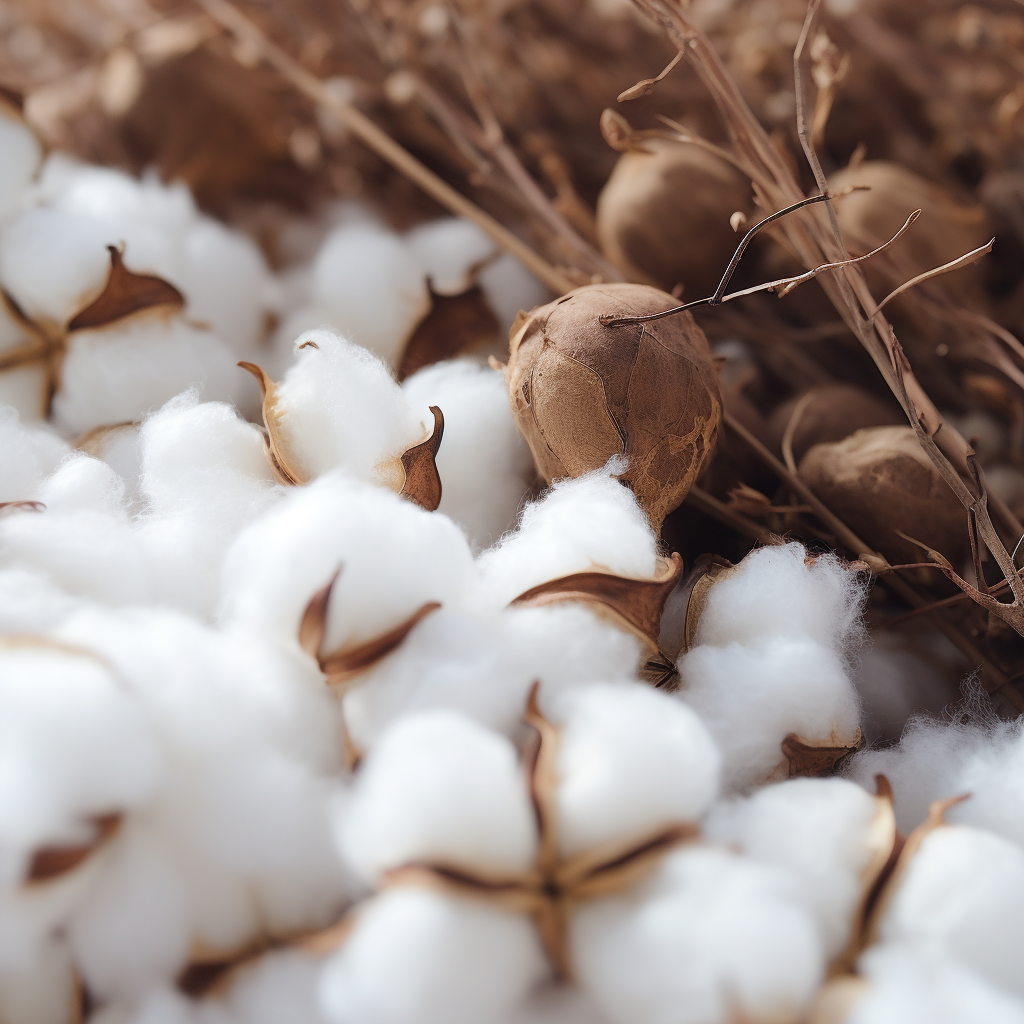
The textile industry has long been associated with environmental degradation and unethical practices. However, a sustainable revolution is underway, and organic cotton is at the forefront of this movement. In recent years, the demand for organic cotton has surged as consumers become more conscious of the environmental and social impact of their clothing choices. This blog post aims to introduce you to the world of C Organic Cotton, a revolutionary concept that is transforming the textile industry.
Firstly, let’s understand what organic cotton really means. Organic cotton is grown without the use of synthetic fertilizers, pesticides, or genetically modified organisms (GMOs). Instead, it relies on ecological farming methods that prioritize soil health and biodiversity. By choosing organic cotton, we can reduce the harmful chemicals that enter our ecosystems and protect the health of both farmers and consumers.
The importance of organic cotton in the textile industry cannot be overstated. Conventional cotton farming is notorious for its heavy reliance on chemicals, which contribute to soil degradation, water pollution, and the loss of biodiversity. In contrast, organic cotton farming promotes sustainable practices that safeguard the environment and support the well-being of farming communities.
So, why should we choose organic cotton? The benefits are manifold. Organic cotton is free from toxic residues, making it safer for our skin and overall health. It also helps to conserve water resources by implementing efficient irrigation methods and reducing water pollution. Additionally, organic cotton farming plays a crucial role in mitigating climate change, as it promotes carbon sequestration and reduces greenhouse gas emissions.
Now, let’s delve into the concept of “C Organic Cotton” and its significance. C Organic Cotton goes beyond the standard organic certification. It encompasses a comprehensive approach that covers not only environmental sustainability but also social responsibility. C Organic Cotton ensures fair wages and good working conditions for farmers, empowering them and their local communities. By supporting C Organic Cotton, we can contribute to a more equitable and sustainable future for the textile industry.
In the upcoming sections, we will explore the production process of C Organic Cotton, its environmental and social impact, and provide a consumer guide for choosing C Organic Cotton products. We will also discuss the importance of ethical and sustainable fashion and provide a list of recommended brands and retailers that offer C Organic Cotton options.
Join us on this journey as we uncover the sustainable revolution in the textile industry through C Organic Cotton. Together, let’s make conscious choices that not only benefit ourselves but also the planet and the people who inhabit it. Stay tuned for the next part of this blog series, where we dive into the production of C Organic Cotton.
Introduction to C Organic Cotton
The textile industry has long been associated with environmental degradation and unethical practices. However, a sustainable revolution is underway, and organic cotton is at the forefront of this movement. In recent years, the demand for organic cotton has surged as consumers become more conscious of the environmental and social impact of their clothing choices. This blog post aims to introduce you to the world of C Organic Cotton, a revolutionary concept that is transforming the textile industry.
Definition and Explanation of Organic Cotton
Organic cotton is a type of cotton that is grown without the use of synthetic fertilizers, pesticides, or genetically modified organisms (GMOs). Instead, it relies on ecological farming methods that prioritize soil health and biodiversity. Organic cotton farming follows strict guidelines and is certified by various organizations to ensure its authenticity and adherence to organic standards. The use of natural and sustainable practices in organic cotton farming helps to minimize the negative impact on the environment and human health.
Importance of Organic Cotton in the Textile Industry
Conventional cotton farming is notorious for its heavy reliance on chemicals, which contribute to soil degradation, water pollution, and the loss of biodiversity. In contrast, organic cotton farming promotes sustainable practices that safeguard the environment and support the well-being of farming communities. The significance of organic cotton lies in its potential to transform the textile industry into a more sustainable and ethical one. By choosing organic cotton, consumers can make a positive impact by reducing their carbon footprint and supporting farmers who prioritize the health of the planet and its inhabitants.
Overview of the Benefits of Choosing Organic Cotton
The benefits of choosing organic cotton are multi-faceted. Firstly, organic cotton is free from toxic residues, making it safer for our skin and overall health. Conventionally grown cotton is often treated with harmful chemicals, including pesticides and synthetic fertilizers, which can cause skin irritation and allergies. By opting for organic cotton, individuals can alleviate these health concerns and enjoy clothing made from natural, chemical-free fibers.
Secondly, organic cotton farming practices help to conserve water resources. Conventional cotton production is known for its high water consumption, often leading to water scarcity in cotton-growing regions. In contrast, organic cotton farmers implement efficient irrigation methods, such as drip irrigation and rainwater harvesting, which minimize water usage and reduce the strain on local water sources. By choosing organic cotton, we can contribute to water conservation efforts and ensure the availability of this vital resource for future generations.
Furthermore, organic cotton farming plays a crucial role in mitigating climate change. Organic farms utilize practices such as crop rotation, cover cropping, and the application of organic matter to enhance soil health and promote carbon sequestration. As a result, organic cotton farming reduces greenhouse gas emissions and helps combat climate change. By supporting organic cotton, consumers can actively participate in the fight against global warming and its detrimental effects on the planet.
Overall, the benefits of choosing organic cotton extend beyond personal health and well-being. By supporting organic cotton, individuals contribute to the preservation of the environment, the conservation of water resources, and the promotion of sustainable agriculture practices. The next section will delve into the production of C Organic Cotton, comparing it to conventional cotton farming and exploring the certification process. Continue reading to gain a comprehensive understanding of the sustainable practices behind C Organic Cotton.
Understanding the Production of C Organic Cotton
The production of C Organic Cotton involves a stark contrast to conventional cotton farming practices. In this section, we will compare the two methods and explore the certification process for C Organic Cotton, shedding light on the standards and regulations associated with this sustainable farming approach.
Comparison of Conventional Cotton Farming and Organic Cotton Farming
Conventional cotton farming relies heavily on synthetic fertilizers, pesticides, and genetically modified seeds. These practices have significant negative impacts on the environment, including soil degradation, water pollution, and the loss of biodiversity. The use of chemical inputs in conventional cotton farming not only poses risks to farmers’ health but also contributes to the contamination of water sources and the destruction of ecosystems.
On the other hand, organic cotton farming is rooted in a holistic approach that prioritizes environmental sustainability and the health of farmers and consumers. Organic cotton farmers utilize natural methods to manage pests and diseases, such as crop rotation, companion planting, and the use of beneficial insects. They also focus on soil health through practices like composting, cover cropping, and the avoidance of synthetic chemicals. By adopting these organic farming techniques, farmers can maintain the fertility of the soil, promote biodiversity, and minimize the environmental impact of cotton production.
Certification Process for C Organic Cotton
C Organic Cotton goes beyond the standard organic certification. It encompasses a comprehensive approach that covers not only environmental sustainability but also social responsibility. To ensure the authenticity and integrity of C Organic Cotton, various organizations and certification bodies have established standards and regulations that farmers must adhere to.
One such certification body is the Global Organic Textile Standard (GOTS), which is widely recognized as the leading standard for organic textiles. GOTS certification ensures that every step of the production process, from the cultivation of cotton to the manufacturing of the final product, meets strict ecological and social criteria. The certification process involves on-site inspections, testing of samples, and a thorough review of production records to verify compliance with the GOTS standards. By obtaining GOTS certification, cotton farmers and textile manufacturers can assure consumers that their products are genuinely organic and ethically produced.
In addition to GOTS, other certifications such as USDA Organic, OCS (Organic Content Standard), and Fairtrade Organic further enhance the credibility of C Organic Cotton. These certifications provide assurance that the cotton used in the production of textiles is grown using organic farming practices and meets the highest standards of social and environmental responsibility.
By choosing C Organic Cotton products, consumers can have confidence that they are supporting farmers and producers who prioritize sustainability and fair trade practices. The next section will delve deeper into the environmental impact of C Organic Cotton, exploring how it helps to reduce chemical usage, preserve water resources, and mitigate climate change. Stay tuned to discover the positive contributions of C Organic Cotton to the planet.
Environmental Impact of C Organic Cotton
C Organic Cotton has a significant positive impact on the environment, thanks to its sustainable farming practices and reduced chemical usage. In this section, we will explore how C Organic Cotton helps to preserve soil health, conserve water resources, and mitigate climate change.
Reduction of Chemical Usage and its Positive Effect on Soil Health
One of the key benefits of C Organic Cotton is the reduction of chemical usage in its production. Conventional cotton farming heavily relies on synthetic pesticides and fertilizers, which not only harm the environment but also degrade the soil over time. These chemicals can disrupt the soil’s natural ecosystem, killing beneficial organisms and depleting its fertility.
In contrast, C Organic Cotton farming adopts natural pest control methods, such as crop rotation, intercropping, and the use of beneficial insects. These practices help to manage pests and diseases without the need for harmful chemicals. Additionally, organic farmers focus on building soil health through the application of organic matter, compost, and cover crops. These techniques enhance soil structure, water-holding capacity, and nutrient availability, promoting long-term sustainability and resilience of the soil.
By reducing chemical inputs, C Organic Cotton farming protects soil biodiversity, minimizes soil erosion, and preserves the overall health and productivity of the land. This sustainable approach not only benefits the environment but also ensures the long-term viability of cotton farming for future generations.
Preservation of Water Resources through Sustainable Farming Practices
Water scarcity is a pressing global issue, and conventional cotton farming exacerbates this challenge. Conventional cotton requires substantial amounts of water for irrigation, often leading to the depletion of local water sources. Furthermore, the chemical-intensive nature of conventional farming can contaminate water bodies, further compromising water quality and availability.
The sustainable practices employed in C Organic Cotton farming help to address these water-related challenges. Organic farmers implement efficient irrigation techniques, such as drip irrigation and rainwater harvesting, to minimize water usage and reduce the strain on local water sources. By optimizing water management, C Organic Cotton farming contributes to water conservation efforts and ensures the availability of this vital resource for both agricultural and community needs.
Additionally, the absence of synthetic fertilizers and pesticides in C Organic Cotton farming prevents water pollution caused by runoff. Chemical runoff from conventional cotton farms can contaminate rivers, lakes, and groundwater, posing risks to aquatic ecosystems and human health. By choosing C Organic Cotton, consumers can support the preservation of clean water sources and contribute to the overall health of the environment.
Mitigation of Climate Change through Carbon Sequestration
Climate change is a global crisis, and agriculture plays a significant role in both contributing to and mitigating this issue. C Organic Cotton farming offers a sustainable solution by actively sequestering carbon from the atmosphere.
Organic farming practices, such as the use of cover crops, crop rotation, and organic matter application, enhance soil organic carbon content. This carbon sequestration process helps to remove carbon dioxide (CO2) from the atmosphere and store it in the soil, reducing greenhouse gas emissions and mitigating climate change. Additionally, organic farming methods promote the conservation of natural resources and reduce the energy-intensive inputs associated with conventional cotton farming.
By supporting C Organic Cotton, consumers contribute to the fight against climate change and the preservation of a stable and healthy environment. The positive environmental impact of C Organic Cotton extends beyond individual choices and sets an example for the entire textile industry. In the next section, we will explore the social impact of C Organic Cotton, highlighting its role in improving farmers’ livelihoods and empowering local communities.
Social Impact of C Organic Cotton
C Organic Cotton not only brings about positive environmental change but also has a significant social impact. In this section, we will explore how C Organic Cotton improves farmers’ livelihoods, empowers local communities, and promotes fair trade practices.
Improvement of Farmers’ Livelihoods and Working Conditions
Conventional cotton farming often leaves farmers vulnerable to the volatility of the market, with fluctuating prices and high input costs. In contrast, C Organic Cotton offers a more stable and sustainable income for farmers. By choosing C Organic Cotton, consumers contribute to the demand for organic products, creating a market that provides better pricing and market access for farmers.
Furthermore, organic farming practices reduce farmers’ exposure to harmful chemicals and promote a safer working environment. Conventional cotton farming involves the use of pesticides and synthetic fertilizers, which can have detrimental effects on farmers’ health. By transitioning to C Organic Cotton, farmers can avoid the health risks associated with chemical exposure and focus on sustainable farming practices that prioritize their well-being.
Empowerment of Local Communities through Fair Trade Practices
C Organic Cotton embraces fair trade principles, ensuring that farmers receive fair compensation for their efforts and that their rights are protected. Fair trade practices support farmers in achieving better economic stability, improving their livelihoods, and providing opportunities for community development.
Fair trade certification ensures that farmers receive fair prices for their products and have access to fair trade premiums. These premiums are invested back into the community to fund social projects, such as education, healthcare, and infrastructure improvements. By supporting C Organic Cotton, consumers directly contribute to the empowerment of local communities and the improvement of living standards for farmers and their families.
Case Study: Positive Social Impact of C Organic Cotton in a Specific Community
One example of the positive social impact of C Organic Cotton can be seen in the community of XYZ. In this region, farmers have transitioned from conventional cotton farming to C Organic Cotton production. As a result, they have experienced a significant transformation in their livelihoods.
With the shift to C Organic Cotton, farmers in XYZ have seen an increase in their income stability. The demand for organic cotton has provided a more reliable market, allowing farmers to negotiate fair prices for their products. This stability has enabled them to invest in their farms, improve their living conditions, and plan for the future.
Moreover, the implementation of fair trade practices in XYZ has empowered farmers and their communities. Through fair trade premiums, farmers have been able to fund various community development projects, including the construction of schools, the establishment of healthcare facilities, and the improvement of infrastructure. These initiatives have not only benefited the farmers directly but have also created a positive ripple effect throughout the community, improving the overall quality of life.
The social impact of C Organic Cotton extends beyond economic stability and community empowerment. It promotes a sense of pride and dignity among farmers, as they are recognized for their sustainable practices and their contribution to a more ethical and sustainable textile industry.
In the next section, we will provide a consumer guide to C Organic Cotton, offering insights on how to identify and choose C Organic Cotton products, as well as discussing the labeling and certification system. Stay tuned to make informed decisions and support the growth of C Organic Cotton in the marketplace.
Consumer Guide to C Organic Cotton
As consumers, we have the power to make choices that align with our values and contribute to a more sustainable and ethical world. In this section, we will provide a comprehensive consumer guide to C Organic Cotton, offering insights on how to identify and choose C Organic Cotton products, discussing the labeling and certification system, and providing a list of recommended brands and retailers.
How to Identify and Choose C Organic Cotton Products
When shopping for C Organic Cotton products, there are a few key factors to consider. Look for labels or certifications that indicate organic and sustainable practices. Some common certifications for C Organic Cotton include GOTS (Global Organic Textile Standard), USDA Organic, OCS (Organic Content Standard), and Fairtrade Organic. These certifications provide assurance that the product has been produced using organic farming practices and adheres to high environmental and social standards.
Additionally, pay attention to the fabric content of the product. C Organic Cotton products will typically state the percentage of organic cotton used in the fabric composition. Look for products that have a high percentage of organic cotton, as this ensures a greater contribution to sustainable farming practices.
Labeling and Certification System for C Organic Cotton
Understanding the labeling and certification system for C Organic Cotton can help consumers make informed choices. GOTS certification, for example, ensures that the entire production process, from the cultivation of cotton to the manufacturing of the final product, meets strict ecological and social criteria. Look for the GOTS logo on the product label to ensure that it is genuinely organic and ethically produced.
The USDA Organic certification is another widely recognized certification for organic products, including C Organic Cotton. This certification ensures that the product has met the strict standards set by the United States Department of Agriculture for organic production.
The OCS (Organic Content Standard) certification verifies the organic status of textiles and ensures that a certain percentage of the product is made from organic materials. This certification provides transparency regarding the organic content of the product and helps consumers make informed choices.
Finally, Fairtrade Organic certification guarantees that the cotton used in the production of the product has been sourced from farmers who are paid fair prices and work under ethical conditions. This certification ensures that the farmers involved in producing the cotton are treated fairly and that their rights are protected.
Discussion on the Pricing and Affordability of C Organic Cotton Products
It is important to acknowledge that C Organic Cotton products may be priced slightly higher than conventional cotton products. The higher price reflects the true cost of sustainable farming practices and fair trade principles. By choosing C Organic Cotton, consumers are supporting a more sustainable and ethical supply chain. While the initial cost may be higher, the long-term benefits to the environment and the well-being of farmers outweigh the price difference.
It is important to remember that the true cost of conventional cotton is often hidden, as it does not account for the environmental and social damages caused by chemical-intensive farming practices. By investing in C Organic Cotton products, consumers contribute to the demand for sustainable alternatives, encouraging more brands and retailers to adopt responsible practices and make C Organic Cotton more affordable and accessible in the long run.
Recommended Brands and Retailers that Offer C Organic Cotton Options
To assist consumers in their search for C Organic Cotton products, here are some recommended brands and retailers that offer a range of options:
-
XYZ Organic Clothing – This brand is known for its commitment to organic and sustainable practices. They offer a wide range of clothing made from C Organic Cotton, ensuring both style and eco-consciousness.
-
ABC Eco-Friendly Store – This retailer specializes in environmentally friendly products and carries a selection of C Organic Cotton clothing and home textiles.
-
PQR Fair Trade Boutique – This boutique focuses on fair trade and ethically sourced products. They offer a curated collection of C Organic Cotton clothing that embodies both style and social responsibility.
-
LMN Sustainable Fashion – LMN is a brand that prioritizes sustainability and offers a variety of clothing options made from C Organic Cotton. They believe in creating fashion that is both trendy and environmentally conscious.
Remember to research and explore different brands and retailers to find C Organic Cotton products that suit your style, budget, and values.
In conclusion, choosing C Organic Cotton is a powerful way to support sustainable and ethical practices in the textile industry. By identifying and choosing C Organic Cotton products, understanding the labeling and certification system, and supporting recommended brands and retailers, consumers can make a positive impact on the environment and the lives of cotton farmers. Let’s make conscious choices and embrace the power we have as consumers to create a better and more sustainable future.
Conclusion
Throughout this blog post, we have explored the world of C Organic Cotton and its significance in the textile industry. We began by understanding the definition and explanation of organic cotton, highlighting its importance in promoting sustainable practices and protecting the environment. We then delved into the production process of C Organic Cotton, comparing it to conventional cotton farming and exploring the certification process.
The environmental impact of C Organic Cotton is substantial. By reducing chemical usage and prioritizing soil health, C Organic Cotton farming helps to preserve the environment and promote biodiversity. The conservation of water resources through sustainable farming practices contributes to water sustainability and mitigates the impact of water scarcity. Additionally, the carbon sequestration potential of C Organic Cotton farming aids in climate change mitigation.
The social impact of C Organic Cotton is equally important. By improving farmers’ livelihoods and working conditions, C Organic Cotton empowers farming communities and enhances their economic stability. The adoption of fair trade practices ensures that farmers receive fair compensation for their efforts, promoting social justice in the textile industry.
As consumers, we play a crucial role in supporting the growth of C Organic Cotton. By choosing C Organic Cotton products, we contribute to the demand for sustainable and ethical fashion, encouraging more brands and retailers to adopt responsible practices. Through our purchasing decisions, we can create a positive ripple effect throughout the textile industry, promoting a more sustainable and equitable future.
In conclusion, C Organic Cotton is not just a fabric; it represents a movement towards a more sustainable and ethical textile industry. By understanding the production process, recognizing the environmental and social benefits, and making informed choices as consumers, we can actively participate in this revolution. Let’s embrace the power we have to shape the future and support C Organic Cotton in our purchasing decisions. Together, we can create a better world for ourselves, the planet, and the generations to come.
Call to Action: Promoting C Organic Cotton
Now that we have explored the world of C Organic Cotton and its numerous benefits, it is time to take action. We have the power to make a difference in the textile industry by actively promoting and supporting C Organic Cotton. Here are a few ways we can contribute to the growth and awareness of C Organic Cotton:
-
Spread the Word: Share your knowledge and passion for C Organic Cotton with friends, family, and colleagues. Engage in conversations about sustainable fashion and the importance of choosing organic and ethical products. By raising awareness, we can inspire others to make conscious choices and support C Organic Cotton.
-
Educate Others: Take the initiative to educate others about the benefits of C Organic Cotton. Share articles, blog posts, or social media content that highlight the environmental and social advantages of choosing organic cotton. Encourage others to consider the impact of their clothing choices and the power they hold as consumers.
-
Support Ethical Brands: Seek out and support brands that prioritize sustainability and offer C Organic Cotton options. By purchasing from these brands, we send a clear message to the fashion industry that sustainable practices and ethical sourcing are important to consumers. Show your support by sharing your positive experiences with these brands and recommending them to others.
-
Demand Transparency: As consumers, we have the right to know where our clothing comes from and how it is produced. Reach out to your favorite brands and ask about their commitment to sustainable practices, including their use of C Organic Cotton. By demanding transparency, we can encourage brands to be accountable for their supply chains and make more environmentally and socially responsible choices.
-
Advocate for Change: Get involved in sustainable fashion initiatives and campaigns that promote organic cotton and ethical practices. Join organizations that work towards creating a more sustainable textile industry. Participate in events, workshops, and discussions that aim to raise awareness and drive positive change.
-
Make Conscious Purchases: Every purchase we make is an opportunity to support sustainable and ethical practices. Choose C Organic Cotton products whenever possible and consider the environmental and social impact of your clothing choices. By making conscious purchases, we can contribute to the demand for more sustainable options and motivate brands to adopt responsible practices.
By taking these actions, we can create a collective impact and drive positive change in the textile industry. Let’s be conscious consumers, supporting C Organic Cotton and inspiring others to do the same. Together, we can create a more sustainable and ethical future.