Welcome to our blog post series on sustainable fabrics, where we explore the world of eco-friendly textiles that not only provide comfort but also contribute to a greener future. In this edition, we are diving into the cozy and conscious realm of organic cotton fleece.
Organic cotton fleece is a fabric that combines the warmth and softness of traditional fleece with the environmental benefits of organic farming. It is a versatile material that can be used in a wide range of applications, from clothing to home textiles.
In this blog post, we will take you on a journey through the world of organic cotton fleece. We will start by understanding what exactly organic cotton fleece is and how it differs from conventional cotton fleece. Then, we will explore the numerous benefits of using organic cotton fleece, both for the environment and for our health.
Next, we will deep dive into the process of producing organic cotton fleece, from the organic cotton farming practices to the manufacturing techniques used to transform the fibers into fleece fabric. We will also discuss the certifications and standards that ensure the authenticity and quality of organic cotton fleece products.
Moving on, we will explore the various uses and applications of organic cotton fleece. We will discover how it is used in apparel, such as hoodies and sweatshirts, and the advantages it offers for activewear and loungewear. We will also explore its role in home textiles, including blankets, throws, and bedding, and the sustainable alternatives it provides to synthetic fleece products.
When it comes to purchasing organic cotton fleece, there are several factors to consider. We will discuss the importance of certifications and standards, and how to identify genuine organic cotton fleece products. We will also delve into the quality and durability aspects, providing tips on evaluating the longevity of organic cotton fleece items. Furthermore, we will shed light on the ethical and sustainable production practices to look for when making a conscious purchase.
Taking care of organic cotton fleece products is crucial to ensure their longevity. We will provide guidance on proper washing techniques, stain removal, and general maintenance tips. Additionally, we will explore the eco-friendly disposal and recycling options available for organic cotton fleece, as part of our commitment to reducing textile waste.
In conclusion, we will recap the benefits and uses of organic cotton fleece, and emphasize the importance of supporting the organic cotton industry for a more sustainable future. We hope this blog post will inspire you to embrace organic cotton fleece and make conscious choices as a consumer.
So, get ready to discover the cozy and conscious world of organic cotton fleece. Stay tuned for our upcoming sections, where we will unveil the magic behind this sustainable fabric and equip you with the knowledge to make informed decisions. Let’s embark on this journey together towards a greener and more comfortable future.
Organic Cotton Fleece: Introduction
Welcome to the world of organic cotton fleece, where comfort meets sustainability. In this section, we will provide a comprehensive introduction to organic cotton fleece, defining what it is and highlighting its distinctions from conventional cotton fleece. Let’s delve into the characteristics and benefits of this eco-friendly fabric.
Organic cotton fleece is a textile that combines the plushness and warmth of traditional fleece with the added advantage of being made from organic cotton fibers. Unlike conventional cotton, which is grown using synthetic pesticides and fertilizers, organic cotton is cultivated using natural and sustainable farming practices. This distinction makes organic cotton fleece a more earth-friendly alternative to its conventional counterpart.
One of the key benefits of organic cotton fleece lies in its environmental impact. By opting for organic cotton, you are supporting a farming method that eliminates the use of harmful chemicals, promoting biodiversity, and preserving the health of the soil. Organic cotton farming practices prioritize ecological balance, reducing water consumption, and minimizing the carbon footprint associated with conventional cotton production.
In addition to its positive environmental impact, organic cotton fleece offers several health benefits. Since it is free from toxic chemicals, it is hypoallergenic and gentle on the skin. This makes it an excellent choice for individuals with sensitive skin or allergies. Moreover, the absence of harsh chemicals in the cultivation and processing of organic cotton fleece ensures that no residues are left on the fabric, providing a safe and comfortable experience.
When compared to synthetic fleece materials, organic cotton fleece has a clear advantage. Synthetic fleece, often made from petroleum-based materials, contributes to the problem of microplastic pollution in our oceans and ecosystems. On the other hand, organic cotton fleece is a natural and biodegradable option that reduces the environmental impact at the end of its lifecycle.
As the demand for eco-friendly textiles continues to grow, organic cotton fleece has gained popularity in various industries. Its versatility allows it to be used in a wide range of applications, from apparel to home textiles. Whether you’re looking for cozy hoodies, comfortable sweatshirts, or soft blankets and throws, organic cotton fleece offers a sustainable and comfortable choice.
In the next section, we will explore the process of producing organic cotton fleece, starting from the organic cotton farming practices to the manufacturing techniques used to create the final fabric. So, let’s dive deeper into the journey of organic cotton fleece and discover the steps involved in bringing this sustainable fabric to life.
Benefits of Organic Cotton Fleece
Organic cotton fleece offers a multitude of benefits, both for the environment and for those who wear or use products made from this sustainable fabric. In this section, we will explore these advantages in detail, highlighting the reasons why organic cotton fleece has become a preferred choice for conscious consumers.
- Environmental Benefits:
- Organic farming practices: The cultivation of organic cotton involves the use of natural methods such as crop rotation, biological pest control, and composting. These practices promote soil health, preserve biodiversity, and eliminate the need for synthetic pesticides and fertilizers.
- Reduced water consumption: Organic cotton farming typically requires less water compared to conventional cotton production. By minimizing water usage, organic cotton fleece helps conserve this precious resource, making it a more sustainable option.
- Mitigating climate change: Organic cotton farming practices contribute to carbon sequestration, helping to mitigate climate change. Through organic techniques, carbon dioxide is stored in the soil, reducing the greenhouse gas emissions associated with conventional cotton production.
-
Protection of ecosystems: By avoiding the use of harmful chemicals, organic cotton farming preserves the health of ecosystems and promotes the well-being of flora and fauna. It contributes to the conservation of natural habitats and protects the biodiversity of our planet.
-
Health Benefits:
- Hypoallergenic properties: Organic cotton fleece is an ideal choice for individuals with sensitive skin or allergies. As it is free from chemical residues, it minimizes the risk of irritation or adverse reactions, providing a gentle and comfortable experience.
- Breathability and moisture absorption: Organic cotton fibers have natural breathability, allowing air to circulate and keeping the body cool and comfortable. Additionally, organic cotton fleece has excellent moisture absorption properties, wicking away sweat and keeping the skin dry.
-
Non-toxic and safe: Conventional cotton production involves the use of synthetic pesticides and fertilizers, which can leave residues on the fabric. Organic cotton fleece, produced without these chemicals, ensures that no harmful substances come into contact with the skin, making it a safe and non-toxic choice for clothing and home textiles.
-
Quality and Comfort:
- Softness and coziness: Organic cotton fleece is renowned for its softness and plush texture, providing a luxurious feel against the skin. It offers exceptional comfort, making it perfect for loungewear, activewear, and bedding.
- Durability and longevity: Organic cotton fleece products are known for their durability, with proper care, they can withstand frequent washing and maintain their quality over time. The sturdy nature of organic cotton fibers ensures that products made from this fabric can be enjoyed for years to come.
- Insulation and warmth: Organic cotton fleece provides excellent insulation, trapping body heat and keeping you warm during colder months. Its thermal properties make it a popular choice for cozy blankets, hoodies, and winter apparel.
By choosing organic cotton fleece, you are making a conscious decision to support sustainable practices and prioritize your well-being. The environmental benefits, health advantages, and superior comfort make organic cotton fleece a compelling option for those seeking eco-friendly and high-quality textiles.
In the next section, we will delve into the intricate process of producing organic cotton fleece, starting from the organic cotton farming practices to the manufacturing techniques involved. So, let’s continue our journey and uncover the secrets behind the creation of this remarkable fabric.
The Process of Organic Cotton Fleece Production
The journey of organic cotton fleece begins with the cultivation of organic cotton and goes through a series of intricate processes to transform the cotton fibers into the soft and cozy fabric we know and love. In this section, we will explore the various stages involved in the production of organic cotton fleece, from the farming practices to the manufacturing techniques.
- Organic Cotton Farming Practices:
Organic cotton farming follows strict guidelines to ensure the use of sustainable and environmentally friendly practices. These include: - Soil health: Organic cotton farmers focus on maintaining the health of the soil through techniques such as crop rotation, cover cropping, and composting. These practices help replenish nutrients, enhance water retention, and promote beneficial microorganisms in the soil.
- Natural pest control: Instead of relying on synthetic pesticides, organic cotton farmers utilize biological pest control methods. This involves introducing beneficial insects, using traps, and implementing cultural practices to manage pests and diseases without harming the environment.
- Weed management: Organic cotton farmers employ manual weeding, mechanical cultivation, and mulching to control weeds without the use of herbicides. These practices reduce chemical inputs and promote weed suppression naturally.
-
Water conservation: Organic cotton farming typically utilizes rainwater or limited irrigation methods to minimize water consumption. Techniques like drip irrigation and water-efficient practices help conserve water resources and reduce the environmental impact.
-
Harvesting and Processing Organic Cotton:
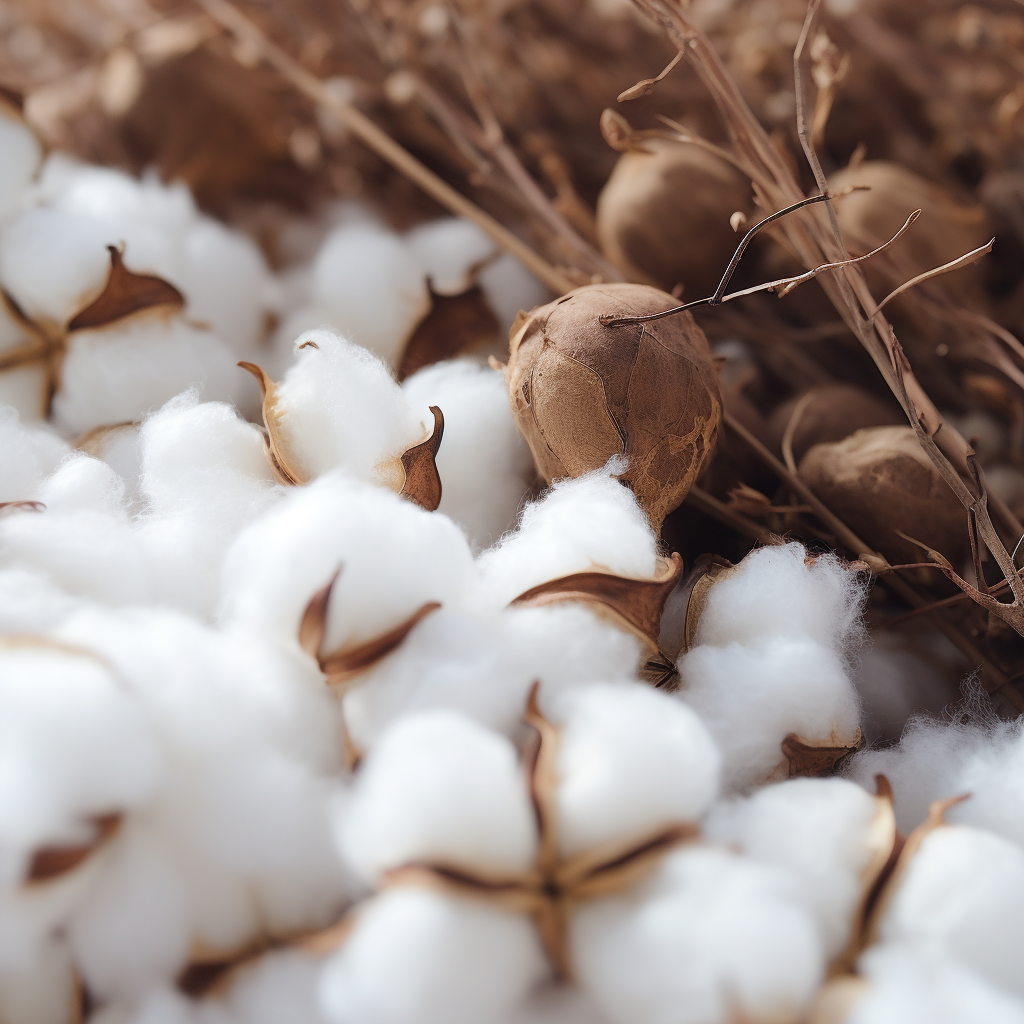
Once the organic cotton plants have matured, they are ready for harvesting. Harvesting techniques may vary, but they generally involve carefully picking the cotton bolls by hand or using mechanical equipment. Handpicking ensures that the cotton fibers remain intact and undamaged, resulting in higher-quality fleece.
After harvesting, the cotton goes through several processing stages to remove impurities and prepare it for spinning into yarn. This includes:
– Ginning: The process of removing seeds from the cotton fibers is known as ginning. This step is essential to separate the valuable fibers from the seedpods. In organic cotton production, mechanical ginning is preferred over chemical methods to maintain the organic integrity of the cotton.
-
Manufacturing Organic Cotton Fleece:
Once the cotton fibers have been separated from the seeds, they are ready to be transformed into fleece fabric. The manufacturing process involves various stages, including spinning, weaving or knitting, and finishing. -
Spinning: The cotton fibers are spun into yarn through a spinning process. This can be done using traditional spinning techniques or modern machinery. The spinning process aligns the fibers, creating a continuous thread that will be used to weave or knit the fabric.
-
Weaving or knitting: The spun yarn is then used to create the fleece fabric. Weaving involves interlacing the yarns to form a structured fabric, while knitting involves interlooping the yarns to create a more flexible and stretchable fabric. Organic cotton fleece can be produced using either weaving or knitting techniques, depending on the desired characteristics of the final product.
-
Dyeing and finishing: After the fabric is formed, it may undergo a dyeing process to add color. Organic cotton fleece can be dyed using natural, low-impact, or eco-friendly dyes, further enhancing its sustainability. Once dyed, the fabric goes through finishing processes, which can include treatments for softness, durability, and wrinkle resistance.
The production of organic cotton fleece requires careful attention to detail and adherence to organic standards at each stage. From the cultivation of organic cotton to the spinning and manufacturing processes, every step is aimed at creating a fabric that is not only soft and comfortable but also sustainable and eco-friendly.
In the next section, we will explore the various uses and applications of organic cotton fleece, from clothing to home textiles. So, let’s continue our journey and discover how organic cotton fleece can enhance our everyday lives.
Uses and Applications of Organic Cotton Fleece
Organic cotton fleece is a versatile fabric that can be utilized in a variety of applications, offering both comfort and sustainability. In this section, we will explore the different uses of organic cotton fleece, from apparel to home textiles, and discover how it enhances our everyday lives.
- Organic Cotton Fleece in Apparel:
Organic cotton fleece has gained popularity in the fashion industry, particularly in the realm of casual and comfortable clothing. Here are some of its key applications: - Hoodies and sweatshirts: Organic cotton fleece is ideal for creating cozy and stylish hoodies and sweatshirts. Its softness, warmth, and breathability make it a popular choice for those seeking comfort and sustainability.
- Activewear: Organic cotton fleece is a suitable fabric for activewear due to its moisture-wicking properties and flexibility. It provides comfort during workouts and allows the skin to breathe, making it a great choice for yoga pants, joggers, and other exercise clothing.
-
Loungewear: When it comes to lounging at home, organic cotton fleece shines. Its soft texture and insulation properties make it perfect for comfortable loungewear, including pajamas, robes, and slippers.
-
Organic Cotton Fleece in Home Textiles:
Organic cotton fleece is not limited to apparel; it is also widely used in home textiles, bringing comfort and sustainability into our living spaces. Here are some common applications: - Blankets and throws: Organic cotton fleece blankets and throws offer warmth and coziness, making them perfect for snuggling up on chilly evenings. They provide a natural alternative to synthetic fleece blankets, ensuring a restful and eco-friendly sleep experience.
- Bedding: Organic cotton fleece can be found in bedding products such as sheets, pillowcases, and duvet covers. Its softness and breathability contribute to a comfortable and relaxing sleep environment, while its organic nature promotes a healthier and more sustainable bedroom.
- Baby products: Organic cotton fleece is a popular choice for baby products due to its gentle and hypoallergenic properties. It is used in items such as baby blankets, swaddles, and clothing, ensuring the little ones are wrapped in a safe and soft fabric.
Organic cotton fleece has made its way into various brands and designer collections, catering to the growing demand for sustainable and comfortable textiles. Many ethical and eco-conscious brands prioritize the use of organic cotton fleece, offering a wide range of options for those seeking eco-friendly and stylish apparel and home textiles.
In the next section, we will explore the factors to consider when purchasing organic cotton fleece, ensuring that you make informed and conscious choices as a consumer. So, let’s continue our journey and learn how to navigate the world of organic cotton fleece products effectively.
Factors to Consider When Purchasing Organic Cotton Fleece
When it comes to purchasing organic cotton fleece products, there are several important factors to consider to ensure that you are making a well-informed and conscious choice. In this section, we will explore these factors, ranging from certifications and standards to quality and ethical production practices.
- Certifications and Standards:
It is essential to look for credible certifications and standards to ensure the authenticity and integrity of organic cotton fleece products. Some recognized certifications include: - Global Organic Textile Standard (GOTS): GOTS is a globally recognized standard for organic textiles. It ensures that the entire supply chain, from farming to manufacturing, meets strict organic and social criteria.
- Organic Content Standard (OCS): OCS verifies the organic content of a product and ensures that it contains a minimum percentage of certified organic fibers.
-
Fair Trade Certification: Fair Trade certification guarantees that the cotton farmers and workers involved in the production of organic cotton fleece are paid fair wages and work in safe conditions.
-
Quality and Durability:
When purchasing organic cotton fleece products, it is important to consider their quality and durability. Here are some factors to evaluate: - Fabric weight and thickness: The weight and thickness of the fleece fabric can determine its warmth and durability. Consider the intended use of the product and choose a weight that suits your needs.
- Stitching and construction: Examine the stitching and construction of the garment or textile to ensure that it is well-made and will withstand regular use and washing.
-
Pilling resistance: Pilling refers to the formation of small fabric balls on the surface of the fleece. Look for organic cotton fleece products that are designed to resist pilling, ensuring their longevity and appearance.
-
Ethical and Sustainable Production:
Supporting brands that prioritize ethical and sustainable production practices is crucial when purchasing organic cotton fleece. Consider the following aspects: - Supply chain transparency: Look for brands that provide transparency about their supply chain, ensuring that the organic cotton used is sourced ethically and sustainably.
- Fair trade practices: Choose products that are produced under fair trade principles, ensuring that the farmers and workers involved receive fair compensation and work in safe conditions.
- Social and environmental responsibility: Consider brands that prioritize social and environmental responsibility, implementing initiatives such as waste reduction, water conservation, and carbon footprint reduction.
By considering these factors, you can make more conscious choices when purchasing organic cotton fleece products. Supporting brands that adhere to strict certifications, prioritize quality and durability, and follow ethical and sustainable production practices will contribute to a more sustainable and responsible fashion and textile industry.
In the next section, we will explore how to care for organic cotton fleece products to ensure their longevity and maintain their quality. Let’s continue our journey and discover the best practices for preserving and enjoying your organic cotton fleece items.
Caring for Organic Cotton Fleece Products
To ensure the longevity and maintain the quality of your organic cotton fleece products, proper care is essential. In this section, we will provide guidance on how to effectively clean and maintain your organic cotton fleece items, as well as explore eco-friendly disposal and recycling options.
- Washing and Stain Removal:
- Follow care instructions: Always refer to the care instructions provided by the manufacturer for specific washing guidelines. This ensures that you treat your organic cotton fleece products in the best possible way.
- Machine washing: Most organic cotton fleece products can be safely machine washed. Use a gentle cycle with cold or lukewarm water to prevent shrinking or damaging the fabric.
- Mild detergent: Opt for a mild, eco-friendly detergent that is free from harsh chemicals. This helps maintain the integrity of the organic cotton fibers and reduces the environmental impact of your laundry routine.
-
Stain removal: Treat stains promptly by gently dabbing or blotting them with a mild stain remover or a mixture of water and mild detergent. Avoid using harsh chemicals or bleach, as they can damage the organic cotton fibers.
-
Maintenance and Longevity:
- Drying: Air drying is the best option for organic cotton fleece products. Lay them flat or hang them on a clothesline to dry naturally. Avoid using high heat in dryers, as it can cause shrinkage and damage the fabric.
- Ironing: Organic cotton fleece typically does not require ironing. However, if necessary, use a low heat setting and iron on the reverse side of the fabric to avoid direct contact with the fleece surface.
-
Storage: When storing organic cotton fleece items, ensure they are clean and completely dry to prevent the growth of mold or mildew. Store them in a cool, dry place away from direct sunlight to maintain their color and quality.
-
Eco-friendly Disposal and Recycling:
- Donate or repurpose: If you no longer have a use for your organic cotton fleece products, consider donating them to charitable organizations or repurposing them into new items. This extends their lifespan and reduces waste.
- Recycling initiatives: Look for textile recycling programs in your area that accept organic cotton fabrics. These initiatives aim to divert textiles from landfills and repurpose them into new materials or products.
- Composting: If the organic cotton fleece product is too worn or damaged to be reused or recycled, consider composting it. Organic cotton is biodegradable and will break down naturally, returning to the earth without harm.
By following these care and disposal practices, you can prolong the life of your organic cotton fleece products and reduce their environmental impact. Proper care not only maintains the quality and appearance of the fabric but also contributes to a more sustainable and responsible approach to textile consumption.
Conclusion:
Organic cotton fleece offers a sustainable and comfortable alternative to conventional fleece materials. Its environmental benefits, health advantages, and versatility make it an attractive choice for clothing and home textiles. By supporting brands that prioritize ethical and sustainable practices, choosing certified products, and caring for our organic cotton fleece items responsibly, we can contribute to a greener and more conscious future.
In this comprehensive blog post, we have explored the world of organic cotton fleece, from its production process to its various uses and applications. We have highlighted the importance of considering certifications, quality, and ethical production practices when making purchasing decisions. Additionally, we have provided guidance on caring for organic cotton fleece products and offered sustainable disposal and recycling options.
Now armed with knowledge about organic cotton fleece, it’s time to embrace this sustainable fabric and make conscious choices as consumers. By opting for organic cotton fleece, we can enjoy its comfort and softness while reducing our impact on the environment and supporting a more ethical and sustainable fashion industry.
.