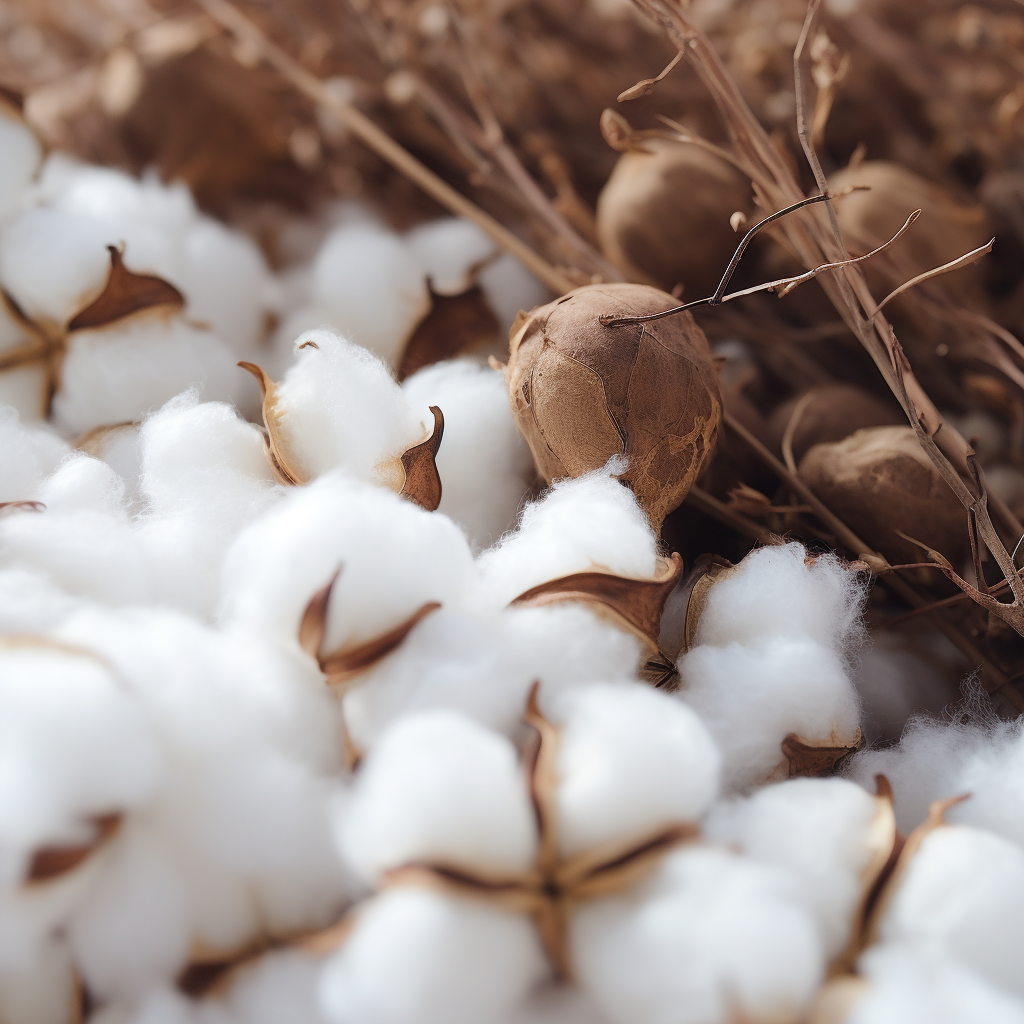
Welcome to our blog post series on sustainable textiles, where we delve into the fascinating world of organic cotton thread. In this first installment, we will explore the wonders of organic cotton thread, its characteristics, and the benefits of using it in various applications.
But first, what exactly is organic cotton thread? Organic cotton thread is derived from cotton plants grown using organic farming practices. Unlike conventional cotton, which is often treated with harmful chemicals and pesticides, organic cotton is cultivated without the use of synthetic fertilizers or genetically modified organisms (GMOs). This ensures that the entire production process is environmentally friendly and supports the health of both farmers and consumers.
One of the defining characteristics of organic cotton is its purity. Organic cotton is free from toxic substances, making it hypoallergenic and safe for those with sensitive skin. Additionally, it boasts exceptional softness, breathability, and durability, making it a preferred choice for many textile enthusiasts.
Using organic cotton thread offers a myriad of benefits. Firstly, it contributes to a cleaner and healthier environment. By avoiding the use of harmful chemicals and pesticides, organic cotton farming helps preserve soil fertility, protects water sources, and reduces greenhouse gas emissions. Moreover, organic cotton farming practices promote biodiversity and support the livelihoods of farmers, creating a more sustainable and equitable agricultural system.
In comparison to conventional cotton thread, organic cotton thread stands out for its eco-friendly production process and its positive impact on the environment. While conventional cotton farming is associated with water pollution, soil degradation, and health risks, organic cotton farming mitigates these issues, making it a more sustainable choice.
As the demand for sustainable and eco-friendly textiles continues to grow, organic cotton thread has gained significant traction in the industry. Consumers are becoming increasingly conscious of the environmental and social impact of their purchasing decisions and are actively seeking out products that align with their values. This shift in consumer behavior has prompted many brands and manufacturers to incorporate organic cotton thread into their products, meeting the rising demand for sustainable alternatives.
In the next section of this blog post, we will delve into the process of making organic cotton thread, from cultivation to manufacturing. We will explore the specific farming practices employed in organic cotton production, the certification and standards for organic cotton thread, and the environmental and social benefits of its production.
Stay tuned for the upcoming sections of this blog post series, where we will cover the various uses and applications of organic cotton thread, its quality and durability, as well as tips for purchasing and using it effectively.
Join us on this journey as we unravel the sustainable wonder that is organic cotton thread, and discover the countless possibilities it holds for a greener and more conscious future.
Effective Communication and Order Management
In the fast-paced world of e-commerce, effective communication and efficient order management are crucial for the success of any business. Whether you are a small-scale artisan or a large-scale manufacturer, the ability to communicate clearly with your customers and manage orders seamlessly can make or break your reputation and customer satisfaction.
Clear and prompt communication is the cornerstone of a successful business. It begins with providing detailed product information and specifications to your customers. When it comes to organic cotton thread, customers often have specific requirements, such as thread weight, colorfastness, and compatibility with different fabrics. By providing comprehensive and accurate product information upfront, you can minimize customer inquiries and ensure that they have all the necessary information to make an informed purchase.
Furthermore, maintaining clear and open lines of communication with your customers throughout the ordering process is essential. This involves promptly acknowledging orders, providing order confirmations, and keeping customers informed about any potential delays or issues that may arise. Regular updates and proactive communication can help build trust and confidence in your business, ensuring that your customers feel valued and informed every step of the way.
To streamline order management, it is crucial to implement an efficient system that allows for seamless processing and tracking of orders. This includes investing in an integrated order management software that centralizes all order-related information, including customer details, product specifications, and shipping information. With such a system in place, you can easily track and manage orders, streamline inventory management, and generate accurate reports for analysis and decision-making.
In addition to effective communication and order management, it is essential to prioritize customer service. Providing exceptional customer service not only leads to customer satisfaction but also fosters loyalty and encourages repeat business. Promptly addressing customer inquiries, resolving issues, and going the extra mile to ensure customer satisfaction can set you apart from your competitors and establish a positive reputation for your business.
Moreover, in the age of social media and online reviews, it is crucial to actively monitor customer feedback and respond promptly to any negative reviews or complaints. By addressing customer concerns in a professional and empathetic manner, you demonstrate your commitment to customer satisfaction and showcase your dedication to providing a high-quality product and service.
In conclusion, effective communication and order management are essential for the success of any business, especially in the realm of e-commerce. By providing clear and detailed product information, maintaining open lines of communication, implementing efficient order management systems, and prioritizing exceptional customer service, you can build a strong foundation for your business and ensure customer satisfaction. Remember, happy customers not only lead to repeat business but also serve as brand ambassadors, spreading positive word-of-mouth and attracting new customers to your business.
The Process of Making Organic Cotton Thread
The journey of organic cotton thread begins with the cultivation of organic cotton plants. Unlike conventional cotton farming, which relies heavily on synthetic fertilizers, pesticides, and genetically modified organisms (GMOs), organic cotton farming adopts a holistic and sustainable approach.
The first step in the process is soil preparation and maintenance. Organic cotton farmers prioritize the health and fertility of the soil by using natural methods such as crop rotation, cover cropping, and composting. These practices help replenish nutrients in the soil, enhance its structure, and promote a balanced ecosystem.
Next, organic cotton farmers select non-GMO seeds for planting. These seeds are free from genetic modifications and are chosen for their ability to thrive in organic farming conditions. By using non-GMO seeds, farmers ensure the preservation of the natural genetic diversity of cotton plants, contributing to a more resilient and sustainable agricultural system.
To control pests and weeds, organic cotton farmers employ natural methods instead of relying on chemical pesticides. This includes the use of beneficial insects, trap crops, and cultural practices such as manual weeding and mulching. By minimizing the use of harmful chemicals, organic cotton farming helps protect the health of farmers, consumers, and the environment.
Water conservation is another crucial aspect of organic cotton farming. Farmers utilize techniques such as drip irrigation, rainwater harvesting, and moisture retention practices to minimize water usage. This not only helps conserve water resources but also reduces the risk of water pollution caused by chemical runoff.
When the cotton plants reach maturity, they are carefully harvested by hand or with specialized machinery. Organic cotton farmers ensure that the harvesting process is gentle, minimizing damage to the fibers and preserving their quality.
After harvest, the cotton fibers undergo processing to transform them into thread. This involves several stages, including ginning, carding, and spinning. Ginning removes the seeds from the cotton fibers, while carding aligns the fibers to create a smooth and uniform texture. Finally, spinning twists the fibers into thread, resulting in a strong and durable product.
To achieve organic certification, the entire production process, from cultivation to manufacturing, must adhere to specific standards and regulations. These standards ensure that the cotton is grown and processed without the use of synthetic chemicals and GMOs. Organic certification provides assurance to consumers that the cotton thread they are purchasing is genuinely organic and meets strict quality and sustainability criteria.
In comparison to conventional cotton thread production, the process of making organic cotton thread is more intricate and time-consuming. However, the environmental and social benefits far outweigh the additional effort. Organic cotton thread production minimizes the use of harmful chemicals, reduces water consumption, promotes soil health, and supports the well-being of farmers and communities.
By choosing organic cotton thread, you not only contribute to the preservation of our planet but also support a more sustainable and equitable textile industry. The next section will explore the various uses and applications of organic cotton thread, highlighting its versatility and its impact in different sectors.
Uses and Applications of Organic Cotton Thread
Organic cotton thread is a versatile material that finds applications in various industries and sectors. Its exceptional qualities make it a preferred choice for businesses and consumers who prioritize sustainability and eco-consciousness in their products.
In the fashion and clothing industry, organic cotton thread is highly sought after. It is used in the manufacturing of various garments, ranging from everyday essentials like t-shirts, jeans, and underwear to high-end fashion pieces. The softness, breathability, and durability of organic cotton thread make it ideal for creating comfortable and long-lasting clothing items. Additionally, organic cotton thread is often used in the production of baby clothing and accessories, as it is hypoallergenic and gentle on sensitive skin.
Home textiles also benefit from the use of organic cotton thread. Bed linens, towels, curtains, and upholstery made with organic cotton thread offer superior quality and comfort. Being free from harmful chemicals, these textiles are safer for prolonged contact with the skin and contribute to a healthier indoor environment. Moreover, organic cotton thread ensures the durability and longevity of home textiles, making them a sustainable choice for conscious consumers.
The automotive industry also utilizes organic cotton thread in various applications. From upholstery in car interiors to seat covers and headliners, organic cotton thread adds a touch of luxury and eco-friendliness to automotive products. The natural and sustainable properties of organic cotton thread align with the growing demand for greener automotive options and contribute to creating a more environmentally conscious transportation sector.
The medical and healthcare sector also recognizes the benefits of organic cotton thread. It is used in the production of medical textiles, such as surgical gowns, wound dressings, and bandages. The hypoallergenic and non-irritating nature of organic cotton thread makes it suitable for patients with sensitive skin or allergies. Additionally, organic cotton thread’s high absorbency and breathability properties allow for better moisture management, essential in medical applications.
The demand for organic cotton thread is fueled by the growing awareness and preference for sustainable and organic textiles. Consumers are becoming more conscious of the impact of their purchasing decisions on the environment and human health, leading to a shift in their buying behavior. They are actively seeking out products that align with their values and contribute to a greener and more sustainable future.
In response to this demand, many companies and brands have incorporated organic cotton thread into their product offerings. They understand the importance of providing sustainable alternatives to their customers and the positive impact it has on their brand reputation. By using organic cotton thread, these businesses demonstrate their commitment to environmental stewardship and social responsibility.
The market potential for organic cotton thread is vast and continues to grow. As more industries and sectors embrace sustainability, the demand for organic cotton thread is expected to rise. This presents opportunities for manufacturers, suppliers, and retailers to cater to the needs of conscious consumers and contribute to a more sustainable textile industry.
In the next section, we will explore the quality and durability of organic cotton thread, examining the factors that contribute to its strength and performance. We will also compare it to conventional cotton thread, highlighting the advantages of choosing organic alternatives.
Quality and Durability of Organic Cotton Thread
Organic cotton thread not only offers sustainability and eco-friendliness but also boasts exceptional quality and durability. Several factors contribute to the strength and performance of organic cotton thread, making it a reliable choice for various applications.
One of the key factors that determine the quality of organic cotton thread is the length and fineness of the cotton fibers used. Longer and finer fibers tend to produce stronger and smoother threads. Organic cotton farmers prioritize the cultivation of cotton varieties known for their long staple length and fine fiber diameter. These superior fibers contribute to the overall quality of the thread, ensuring its strength and resistance to breakage.
The spinning technique used in the production of organic cotton thread also plays a significant role in its quality. Various spinning methods, such as ring spinning and open-end spinning, can be employed to transform the cotton fibers into thread. Each method has its advantages and yields different thread characteristics. However, regardless of the spinning technique used, organic cotton thread is known for its consistent and uniform texture, which contributes to its overall strength and durability.
In addition to the fiber characteristics and spinning technique, the dyeing and finishing processes of organic cotton thread can impact its quality. Organic cotton thread can be dyed using natural and eco-friendly dyes, avoiding the use of harmful chemicals. Natural dyes not only provide vibrant and long-lasting colors but also maintain the organic integrity of the thread. Furthermore, organic cotton thread can undergo finishing processes, such as mercerization, which enhances its luster, strength, and absorbency.
Comparing organic cotton thread with conventional cotton thread reveals several advantages of choosing the organic alternative. Conventional cotton thread is often made from cotton that has been treated with various chemicals, such as pesticides, insecticides, and synthetic dyes. These chemicals can weaken the cotton fibers and compromise the overall quality and durability of the thread. In contrast, organic cotton thread is free from these harmful substances, resulting in a stronger and more resilient product.
Testing methods and standards exist to assess the quality of organic cotton thread. These tests evaluate various parameters, including tensile strength, colorfastness, and resistance to abrasion. By adhering to these quality standards, manufacturers can ensure that their organic cotton thread meets the highest industry benchmarks and delivers consistent performance.
Several high-quality organic cotton thread brands and manufacturers have emerged in response to the demand for sustainable and superior textile products. These brands prioritize the use of organic and ethically sourced materials, employ skilled craftsmen, and implement rigorous quality control measures. By choosing reputable brands, consumers can be confident in the quality and durability of the organic cotton thread they purchase.
In conclusion, organic cotton thread excels in terms of both quality and durability. The use of long and fine cotton fibers, careful spinning techniques, eco-friendly dyeing and finishing processes, and adherence to quality standards contribute to the strength and performance of organic cotton thread. Compared to conventional cotton thread, organic cotton thread offers superior quality and longevity, making it a sustainable and reliable choice for a wide range of applications.
In the next section, we will provide valuable tips for purchasing and using organic cotton thread, ensuring that you make informed decisions and maximize the benefits of this eco-friendly material.
Tips for Purchasing and Using Organic Cotton Thread
When it comes to purchasing and using organic cotton thread, there are several factors to consider to ensure that you make the most of this sustainable and eco-friendly material. From supplier choice to compatibility with different fabrics, the following tips will help you navigate the world of organic cotton thread with confidence.
-
Supplier Reputation and Certifications: Before purchasing organic cotton thread, research and choose reputable suppliers or brands that have a track record of sustainability and ethical practices. Look for certifications such as Global Organic Textile Standard (GOTS) or Organic Content Standard (OCS), which guarantee the organic integrity and quality of the thread.
-
Thread Weight and Thickness: Consider the weight and thickness of the organic cotton thread based on your specific project or application. Different thread weights are suitable for varying fabric types and sewing techniques. Thicker threads are ideal for heavy-duty sewing, while finer threads work well for delicate fabrics and intricate stitching.
-
Color-fastness and Dye Quality: Organic cotton thread can be dyed using natural or eco-friendly dyes. Ensure that the thread you choose has good color-fastness, meaning it retains its color even after repeated washing or exposure to sunlight. High-quality dyes should not bleed or fade easily, ensuring the longevity of your finished product.
-
Compatibility with Different Fabrics and Materials: Organic cotton thread is versatile and can be used with a wide range of fabrics and materials. However, it’s always a good idea to test the compatibility of the thread with your specific fabric or material before starting your project. This will help you determine the appropriate tension, needle size, and sewing technique to achieve the best results.
-
Care and Maintenance Instructions: Organic cotton thread, like any other sewing thread, requires proper care and maintenance to ensure its longevity. Follow the manufacturer’s recommendations for washing, drying, and storing the thread to prevent tangling, fraying, or weakening of the fibers. Proper care will help preserve the quality and performance of the organic cotton thread.
-
Recommended Sewing Techniques and Tools: Organic cotton thread can be used with various sewing techniques, including hand sewing, machine sewing, and embroidery. Familiarize yourself with the recommended sewing techniques and tools for working with organic cotton thread, as they may differ from conventional cotton thread. Using the right needles, presser feet, and stitch settings will help you achieve optimal results.
-
Sustainability and Waste Reduction Practices: To maximize the eco-friendly benefits of organic cotton thread, consider implementing sustainability practices in your sewing projects. This can include minimizing waste by using precise measurements, reusing or repurposing scraps of fabric and thread, and opting for sustainable packaging materials. These small steps can contribute to reducing the environmental impact of your sewing endeavors.
By keeping these tips in mind, you can make informed decisions when purchasing and using organic cotton thread. Embracing sustainable sewing practices and utilizing this eco-friendly material not only benefits the environment but also allows you to create beautiful and durable textile creations.
In the final section of this blog post, we will provide a list of resources and online platforms where you can purchase organic cotton thread, enabling you to embark on your sustainable sewing journey with ease.
Resources for Purchasing Organic Cotton Thread
If you’re ready to dive into the world of organic cotton thread and embark on your sustainable sewing journey, there are numerous resources and online platforms where you can find a wide selection of high-quality products. These resources cater to the needs of conscious consumers and offer a range of options to suit various projects and preferences. Here are some notable resources to consider:
-
Organic Cotton Thread Suppliers: Many dedicated organic cotton suppliers offer a range of thread options. These suppliers focus on sustainable and ethically sourced materials, ensuring the organic integrity of their products. Examples include Organic Cotton Plus, a trusted online retailer that offers a variety of organic cotton thread options, and A&E Gütermann, a renowned thread manufacturer known for its commitment to sustainability.
-
Online Marketplaces: E-commerce platforms provide a convenient way to explore and compare different brands and options for organic cotton thread. Websites like Etsy, an online marketplace for handmade and eco-friendly products, feature numerous independent sellers who offer organic cotton thread in various colors and weights. Reading customer reviews and checking seller ratings can help you make an informed decision.
-
Sustainable Fabric Stores: Many sustainable fabric stores carry a selection of organic cotton thread alongside their fabric offerings. These stores often curate their products with a focus on eco-friendly materials and ethical production practices. Examples include Fabricworm, an online store that specializes in organic and sustainably sourced fabrics, and NearSea Naturals, a retailer that offers a variety of organic sewing supplies, including thread.
-
Local Sewing and Craft Stores: Check with your local sewing and craft stores to see if they carry organic cotton thread. While the selection may vary, some stores recognize the demand for sustainable options and may stock a range of organic thread choices. Supporting local businesses not only contributes to your community but also reduces the carbon footprint associated with shipping.
-
Sustainability Conferences and Fairs: Keep an eye out for sustainability-focused conferences and fairs in your area. These events often feature vendors and exhibitors who showcase eco-friendly products, including organic cotton thread. Attending these events provides an opportunity to engage with sellers directly, ask questions, and learn more about the products they offer.
-
Online Sewing Communities and Forums: Engaging with online sewing communities and forums can be a valuable resource for discovering recommendations and insights on organic cotton thread. Platforms like sewing blogs, social media groups, and sewing forums offer a space for knowledge sharing and connecting with like-minded individuals who prioritize sustainability in their sewing practices.
By exploring these resources, you can find reputable suppliers and platforms that offer a wide range of organic cotton thread options. Remember to prioritize factors such as supplier reputation, certifications, thread weight, color-fastness, and compatibility with different fabrics when making your purchase decisions.
With the right resources at your disposal, you can embark on your sustainable sewing journey with confidence, knowing that you are making a positive impact on the environment and supporting the growth of a more sustainable textile industry.
.