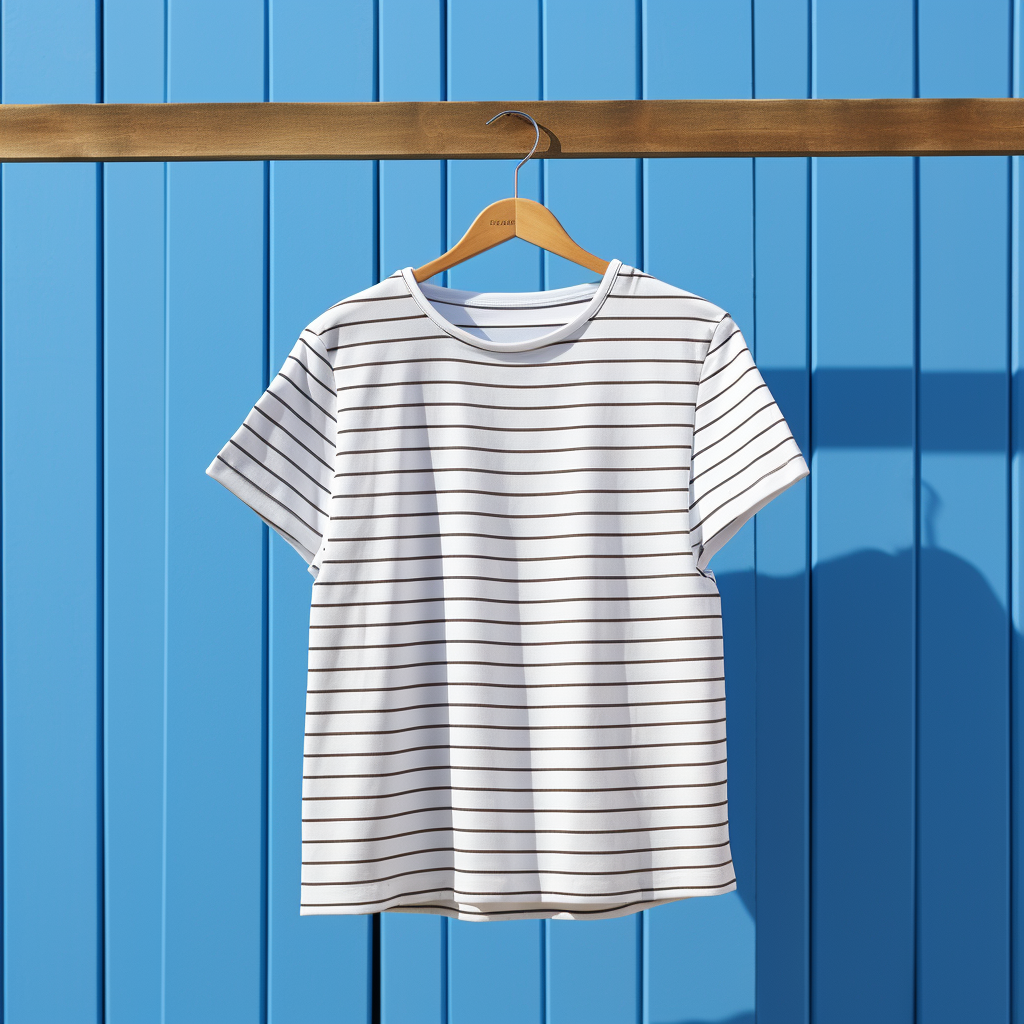
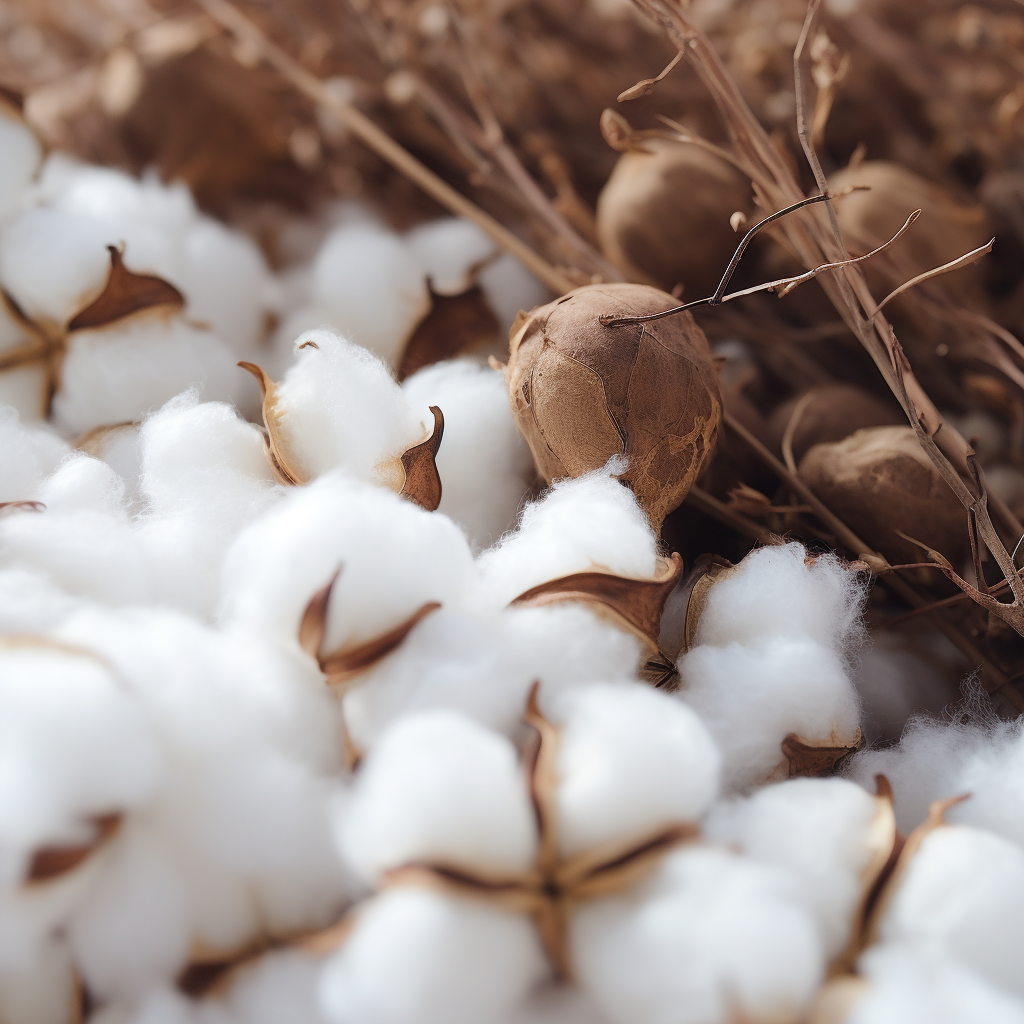
In today’s world, where sustainability and style go hand in hand, the demand for eco-friendly clothing options is on the rise. One such trend that has gained immense popularity is organic cotton men’s clothes. As more and more people become conscious of the impact of their choices on the environment and their health, organic cotton has emerged as a preferred choice for fashion-forward individuals.
But what exactly is organic cotton, and why is it becoming increasingly popular? In this blog post, we will delve into the world of organic cotton men’s clothes, exploring its definition, benefits, and the growing demand for it in the fashion industry. We will also discuss the production and certification process, highlighting the sustainable practices adopted by organic cotton farmers and the certifications that ensure its authenticity.
Understanding the benefits of choosing organic cotton men’s clothes is essential in making informed fashion choices. We will explore the environmental advantages of organic cotton, such as reduced water consumption and the absence of harmful chemicals. Additionally, we will delve into the health benefits for consumers, as organic cotton is free from pesticides and other toxic substances that can be absorbed through the skin. Furthermore, we will touch upon the ethical considerations involved in opting for organic cotton, such as supporting fair trade practices and promoting sustainable agriculture.
To truly appreciate the value of organic cotton, it is crucial to understand the production and certification process. We will discuss the organic farming methods employed, including crop rotation and pest management techniques that minimize environmental impact. Furthermore, we will explore the various global organic cotton certifications that ensure the authenticity and sustainability of the products. With an emphasis on transparency and traceability in supply chains, we will also highlight brands that are committed to providing insights into their sourcing practices.
The market for organic cotton men’s clothes is expanding, with an increasing number of brands and designers recognizing the importance of sustainable fashion. We will explore the range of options available in organic cotton clothing, from shirts and t-shirts to pants, jeans, and even accessories. Additionally, we will showcase leading brands and designers that have made a mark in the organic cotton men’s clothing industry, such as Patagonia, prAna, and Pact. We will also address pricing and availability considerations, comparing the cost of organic cotton clothing with conventional alternatives and exploring both online and offline retailers specializing in eco-friendly fashion.
Shopping for organic cotton men’s clothes can be made easier with a few tips and tricks. We will discuss how to identify genuine organic cotton products by reading labels and certifications. Additionally, we will provide guidance on researching brand transparency and sustainability practices. We will also touch upon sustainable fashion practices, such as buying less and choosing quality, as well as clothing care and maintenance techniques that prolong the lifespan of organic cotton garments. Lastly, we will emphasize the importance of supporting the organic cotton industry through advocacy and conscious purchasing decisions.
In conclusion, the rise of organic cotton men’s clothes is a testament to the increasing popularity of sustainable fashion. By choosing organic cotton, individuals can make a positive impact on the environment, their health, and the livelihoods of farmers and workers. As we navigate the future of men’s fashion, it is essential to embrace conscious consumerism and prioritize sustainable choices. So, join us on this journey of going green and stylish with organic cotton men’s clothes.
Understanding Organic Cotton
What is organic cotton?
Organic cotton is a type of cotton that is grown using organic farming methods, without the use of synthetic fertilizers, pesticides, or genetically modified organisms (GMOs). It is cultivated using natural processes that promote biodiversity, conserve water, and protect the health of farmers and the environment. Organic cotton is often praised for its superior quality, softness, and durability, making it an ideal choice for men’s clothing.
How is it different from conventional cotton?
Conventional cotton is grown using intensive agricultural practices that rely heavily on chemical inputs. Synthetic fertilizers and pesticides are commonly used to enhance crop yields and control pests, but these chemicals can have detrimental effects on the environment and human health. In contrast, organic cotton is cultivated in a way that supports ecological balance and reduces the negative impact on ecosystems and communities.
Benefits of choosing organic cotton men’s clothes
Opting for organic cotton men’s clothes offers a multitude of benefits that extend beyond personal style. Firstly, organic cotton farming methods promote soil fertility and biodiversity. By avoiding the use of synthetic chemicals, organic cotton farmers preserve the natural balance of microorganisms and beneficial insects in the soil, leading to healthier ecosystems. This, in turn, helps to maintain soil fertility and reduce erosion.
Furthermore, organic cotton farming practices prioritize water conservation. Unlike conventional cotton farming, which requires significant amounts of water, organic cotton is often rain-fed or relies on more water-efficient irrigation methods. This reduces the strain on water resources and helps to mitigate the impacts of cotton cultivation on water scarcity.
The health benefits of organic cotton men’s clothes cannot be overlooked either. Conventional cotton production involves the use of pesticides and herbicides, which can leave residues on the fabric. When these chemicals come into contact with our skin, they can potentially cause skin irritations, allergies, or even more serious health issues. By choosing organic cotton, individuals can reduce their exposure to these harmful substances and enjoy clothing that is gentle and safe on their skin.
In addition to the environmental and health advantages, ethical considerations play a significant role in the growing demand for organic cotton men’s clothes. Organic cotton is often associated with fair trade practices and social responsibility. Many organic cotton farmers are part of cooperatives or receive fair wages for their labor, ensuring a better quality of life for them and their communities. By supporting the organic cotton industry, individuals contribute to the empowerment and well-being of these farmers and workers.
Overall, organic cotton men’s clothes offer a sustainable and conscious choice for individuals who value both style and the well-being of the planet and its inhabitants. By embracing organic cotton, we can make a positive impact on the environment, our health, and the lives of those involved in the cotton supply chain.
Production and Certification Process
Organic cotton farming practices
The production of organic cotton involves a range of sustainable farming practices that prioritize environmental protection and soil health. Organic cotton farmers utilize techniques such as crop rotation, which helps to maintain soil fertility and prevent the buildup of pests and diseases. By rotating cotton with other crops like legumes or grains, farmers can naturally replenish nutrients in the soil, reduce the risk of pest infestations, and improve overall crop yield.
Another key aspect of organic cotton farming is the management of pests and weeds without the use of synthetic chemicals. Instead of relying on pesticides, organic farmers employ various integrated pest management techniques. These may include introducing beneficial insects that prey on pests, using physical barriers to deter insects, or implementing cultural practices to minimize weed growth. By avoiding chemical interventions, organic cotton farming supports the natural balance of ecosystems and reduces the risk of harmful impacts on biodiversity.
Certification standards and labels
To ensure the authenticity and integrity of organic cotton products, various global certification standards and labels have been established. One of the most recognized certifications is the Global Organic Textile Standard (GOTS), which sets strict criteria for the entire textile supply chain, from the farming stage to the finished product. GOTS certification guarantees that organic cotton is cultivated under specific organic farming practices, processed without the use of hazardous chemicals, and meets social criteria related to fair labor practices.
In addition to GOTS, other certifications such as USDA Organic (United States Department of Agriculture) and OCS (Organic Content Standard) also provide assurance of organic cotton authenticity. USDA Organic certification ensures that the cotton is grown according to organic standards in the United States. OCS certification, on the other hand, verifies the presence and percentage of organic content in the final product.
Transparency and traceability in organic cotton supply chains
Transparency and traceability are vital aspects of the organic cotton industry. With concerns about greenwashing and false claims, consumers are increasingly demanding more information about the origin and production of their clothing. Transparent supply chains allow individuals to make informed decisions and support brands that align with their values.
However, achieving transparency and traceability in the complex global supply chains of organic cotton can be challenging. It requires collaboration and coordination among different stakeholders, including farmers, manufacturers, and retailers. Some brands have taken proactive steps to increase transparency by providing information about their suppliers, production processes, and certifications on their websites. By sharing this information, brands not only build trust with consumers but also encourage accountability throughout the supply chain.
Certain organizations and initiatives also focus on enhancing traceability in the organic cotton sector. For example, the Organic Cotton Traceability Pilot Project (OCTP) aims to develop a system that allows for the transparent tracking of organic cotton from farm to end product. By implementing technologies such as blockchain and DNA tagging, the OCTP strives to provide a reliable and verifiable traceability solution that ensures the authenticity and integrity of organic cotton throughout the supply chain.
Brands with transparent supply chains
Several brands have made significant strides in transparency and traceability within the organic cotton sector. Patagonia, a renowned outdoor clothing company, is committed to promoting sustainable practices and transparency in their supply chain. They provide extensive information about their organic cotton sourcing, including details about the farms and certifications they work with.
prAna, a brand specializing in sustainable and ethical clothing, also places a strong emphasis on transparency. They offer a comprehensive overview of their organic cotton supply chain, highlighting the regions and partners involved in their production processes. By sharing this information, prAna aims to create a deeper connection with their customers and empower them to make informed choices.
Pact is another brand known for its commitment to transparency and organic cotton. They provide insights into their supply chain, including the countries where their cotton is grown and the certifications they hold. Pact’s dedication to traceability and sustainability resonates with consumers who prioritize transparency in their clothing purchases.
Outerknown, founded by professional surfer Kelly Slater, is a brand that prioritizes organic and recycled materials. They are transparent about their supply chain partners and certifications, ensuring that customers can trace the journey of their organic cotton garments from seed to shelf.
Thought Clothing, a UK-based brand, also places a strong emphasis on transparency and ethical sourcing. They provide detailed information about their organic cotton suppliers, including the farms they work with and the certifications they hold. This level of transparency allows customers to have confidence in the sustainability and authenticity of their products.
By choosing brands with transparent supply chains, consumers can support the organic cotton industry and contribute to a more sustainable and responsible fashion ecosystem.
Organic Cotton Men’s Clothes in the Market
The popularity of organic cotton men’s clothes has led to a wide range of options available in the market. From casual wear to formal attire, there are numerous styles and designs to suit every individual’s taste and preference. Let’s explore the different types of organic cotton men’s clothing options that are readily available.
Shirts and T-shirts:
Organic cotton shirts and t-shirts are versatile wardrobe staples that offer both comfort and style. Whether it’s a classic button-down shirt or a casual graphic tee, organic cotton provides a soft and breathable fabric that feels great against the skin. These garments are available in various colors, patterns, and cuts, catering to different fashion preferences.
Pants and Jeans:
Organic cotton pants and jeans are not only fashionable but also sustainable alternatives to conventional denim. With the increasing demand for eco-friendly fashion, many brands have started offering organic cotton denim options. These pants and jeans provide the same durability and style as their conventional counterparts, but with the added benefit of being produced in an environmentally friendly manner.
Underwear and Socks:
Organic cotton underwear and socks are becoming increasingly popular among conscious consumers. These intimate garments are in direct contact with the skin, making it essential to choose materials that are gentle and non-irritating. Organic cotton underwear and socks offer breathable comfort and are free from harmful chemicals, ensuring a comfortable and healthy wearing experience.
Jackets and Outerwear:
When it comes to jackets and outerwear, organic cotton offers a great alternative to synthetic materials. Organic cotton jackets provide warmth, durability, and breathability, making them suitable for various weather conditions. From lightweight jackets for transitional seasons to heavier coats for colder climates, organic cotton outerwear options are available in a range of styles and designs.
Accessories:
Accessories such as hats, scarves, and gloves can also be made from organic cotton. These accessories not only add style to an outfit but also provide a sustainable choice for those who want to complete their look with environmentally friendly options. Organic cotton accessories are often crafted with attention to detail, ensuring both fashion and sustainability are combined seamlessly.
Leading brands and designers in the organic cotton men’s clothing industry:
Several brands and designers have recognized the potential of organic cotton and have made it a core part of their collections. Patagonia, known for its commitment to environmental sustainability, offers a wide range of organic cotton men’s clothing, including shirts, pants, and outerwear. Their dedication to quality and sustainability has made them a trusted name in the industry.
prAna is another brand that focuses on sustainable and ethical fashion. They offer a variety of organic cotton men’s clothes, from casual t-shirts to stylish button-down shirts. Their designs are not only fashionable but also reflect their commitment to social and environmental responsibility.
Pact is a brand that specializes in organic cotton basics. Their collection includes comfortable and stylish men’s clothing made from organic cotton, ranging from t-shirts and underwear to socks and loungewear. Pact’s dedication to fair trade and organic practices has earned them a loyal customer base.
Outerknown, founded by professional surfer Kelly Slater, is known for its commitment to sustainability and style. They offer a range of organic cotton men’s clothing, including shirts, pants, and outerwear. Outerknown’s designs are inspired by the coastal lifestyle and are crafted with a focus on quality and environmental responsibility.
Thought Clothing, a UK-based brand, offers a wide range of organic cotton men’s clothing that blends style and sustainability. From shirts and t-shirts to pants and accessories, their collection reflects their commitment to ethical fashion. Thought Clothing places a strong emphasis on transparency and fair trade, ensuring that their products are made with respect for people and the planet.
Pricing and availability considerations:
While organic cotton men’s clothes may be slightly higher in price compared to conventional cotton garments, the benefits they offer make them well worth the investment. The pricing of organic cotton clothing can vary depending on factors such as brand, design, and certifications. It is important to consider the overall value and long-term benefits of sustainable fashion when making purchasing decisions.
Organic cotton men’s clothes are now readily available both online and in physical stores. Many sustainable fashion brands have their own e-commerce websites where customers can browse and purchase a wide range of organic cotton clothing options. Additionally, there are also specialized online retailers that curate a selection of organic cotton men’s clothes from various brands, offering convenience and a diverse range of choices.
Tips for Shopping and Caring for Organic Cotton Men’s Clothes
Choosing organic cotton men’s clothes is a step towards a more sustainable wardrobe. To ensure that you make the most out of your organic cotton garments, it’s essential to have some tips and knowledge about shopping for and caring for them. Here are some valuable tips to keep in mind:
How to identify genuine organic cotton products:
When shopping for organic cotton men’s clothes, it’s important to look for credible certifications and labels. The most recognized certification for organic textiles is the Global Organic Textile Standard (GOTS). Look for the GOTS label on the garment, as it guarantees that the product has met stringent organic standards throughout its production process. Other certifications like USDA Organic and OCS are also reliable indicators of organic cotton authenticity.
Apart from certifications, reading product labels can provide valuable information. Look for phrases like “100% organic cotton” or “made with organic cotton” to ensure that the garment is predominantly made from organic fibers. Additionally, consider researching the brand’s transparency and sustainability practices. Brands that are committed to ethical and sustainable sourcing are more likely to provide detailed information about their organic cotton supply chain.
Sustainable fashion practices:
While choosing organic cotton men’s clothes is a sustainable choice, it’s important to adopt other sustainable fashion practices as well. One of the key principles is to buy less and choose quality over quantity. Instead of constantly following trends and purchasing new clothing items, focus on building a capsule wardrobe with versatile pieces that can be mixed and matched. This not only reduces the demand for fast fashion but also encourages a more conscious approach to fashion consumption.
Caring for organic cotton men’s clothes:
Proper care is crucial to prolong the lifespan of your organic cotton garments. Here are some tips for caring for your organic cotton men’s clothes:
-
Read and follow care instructions: Always refer to the care label on the garment for specific washing instructions. Organic cotton is often best cared for by using mild detergents and washing in cold water. Avoid using bleach or harsh chemicals, as they can degrade the fabric and compromise its organic integrity.
-
Wash with similar colors: To prevent color bleeding and maintain the vibrancy of your organic cotton clothes, sort them by color and wash them with similar shades. This helps to preserve the original look of the garments and prevent any unwanted discoloration.
-
Air dry whenever possible: Organic cotton garments tend to shrink when exposed to high heat. To avoid this, air drying is recommended. Hang your clothes on a clothesline or drying rack, ensuring that they are properly stretched to maintain their shape. If using a dryer, choose a low heat setting.
-
Iron with care: Organic cotton fabric can sometimes wrinkle, but it can be easily ironed out. Set your iron to the appropriate temperature for cotton and iron the garment inside out to protect the fabric from direct heat. Alternatively, you can also use a steamer to remove wrinkles without direct contact with the fabric.
Supporting the organic cotton industry:
Apart from purchasing organic cotton men’s clothes, there are other ways to support the organic cotton industry. Advocacy and spreading awareness about the benefits of organic cotton can play a significant role in promoting sustainable fashion practices. Educate others about the environmental and health advantages of organic cotton, and encourage them to make conscious choices when it comes to clothing purchases.
Additionally, supporting brands that prioritize sustainable business practices and transparency can have a positive impact. Look for brands that uphold fair trade principles, prioritize worker welfare, and are committed to minimizing their environmental footprint. By choosing these brands, you contribute to the growth of the organic cotton industry and send a clear message that ethical and sustainable fashion is important to you.
In conclusion, shopping for and caring for organic cotton men’s clothes involves being mindful of certifications, adopting sustainable fashion practices, and taking proper care of the garments. By following these tips, you can make the most out of your organic cotton clothing while contributing to a more sustainable and conscious fashion industry.
Organic Cotton Men’s Clothes in the Market
The demand for organic cotton men’s clothes has led to a flourishing market with a wide range of options available. From casual wear to formal attire, there is something for every man’s style and preference. Let’s take a closer look at the various types of organic cotton men’s clothing options that are readily available.
Shirts and T-shirts:
Organic cotton shirts and t-shirts are versatile wardrobe essentials. Whether you prefer a classic button-down shirt for a formal occasion or a comfortable and stylish t-shirt for a casual outing, organic cotton provides a soft and breathable fabric that ensures both comfort and style. These garments come in a variety of colors, patterns, and cuts, catering to different fashion preferences.
Pants and Jeans:
Organic cotton pants and jeans are not only fashionable but also sustainable alternatives to conventional denim. With the increasing demand for eco-friendly fashion, many brands have started offering organic cotton denim options. These pants and jeans provide the same durability and style as their conventional counterparts, but with the added benefit of being produced in an environmentally friendly manner.
Underwear and Socks:
Organic cotton underwear and socks offer a comfortable and healthy choice for men. These intimate garments are in direct contact with the skin, making it important to choose materials that are gentle and non-irritating. Organic cotton underwear and socks provide breathability and moisture-wicking properties, ensuring comfort throughout the day. They are also free from harmful chemicals, making them suitable for those with sensitive skin.
Jackets and Outerwear:
When it comes to jackets and outerwear, organic cotton offers a great alternative to synthetic materials. Organic cotton jackets provide warmth, durability, and breathability, making them suitable for various weather conditions. Whether you need a lightweight jacket for transitional seasons or a heavier coat for colder climates, organic cotton outerwear options are available in a range of styles and designs.
Accessories:
Accessories such as hats, scarves, and gloves can also be made from organic cotton. These accessories not only add style and flair to an outfit but also provide a sustainable choice for those who want to complete their look with environmentally friendly options. Organic cotton accessories are often crafted with attention to detail, ensuring both fashion and sustainability are combined seamlessly.
Leading brands and designers in the organic cotton men’s clothing industry:
Several brands and designers have recognized the importance of organic cotton and have integrated it into their collections. These brands are committed to sustainability, ethical sourcing, and the use of organic materials. Here are a few notable names in the organic cotton men’s clothing industry:
-
Patagonia: Patagonia is a well-known outdoor clothing brand that places a strong emphasis on environmental stewardship. They offer a wide range of organic cotton men’s clothing, including shirts, pants, and outerwear. Patagonia is dedicated to promoting sustainable practices throughout their supply chain and minimizing their impact on the planet.
-
prAna: prAna is a brand that focuses on sustainable and ethical fashion. They offer a variety of organic cotton men’s clothes, from casual t-shirts to stylish button-down shirts. prAna is committed to transparency and fair trade practices, ensuring that their garments are produced with respect for both people and the environment.
-
Pact: Pact is a brand that specializes in organic cotton basics. Their collection includes comfortable and stylish men’s clothing made from organic cotton, ranging from t-shirts and underwear to socks and loungewear. Pact is dedicated to promoting sustainable and fair trade practices, ensuring that their garments are both ethical and eco-friendly.
-
Outerknown: Outerknown, founded by professional surfer Kelly Slater, is a brand that combines style and sustainability. They offer a range of organic cotton men’s clothing, including shirts, pants, and outerwear. Outerknown is committed to transparency and using environmentally friendly materials, making them an excellent choice for those seeking conscious fashion options.
-
Thought Clothing: Thought Clothing is a UK-based brand that focuses on sustainable and ethical fashion. They offer a wide range of organic cotton men’s clothing, including shirts, t-shirts, and pants. Thought Clothing places a strong emphasis on transparency and fair trade practices, ensuring that their garments are produced with care for both people and the planet.
These brands are just a few examples of the many companies that are actively working towards creating a more sustainable and ethical fashion industry. By supporting these brands, individuals can contribute to the growth of the organic cotton market and promote positive change within the fashion world.
Pricing and availability considerations:
The pricing of organic cotton men’s clothes can vary depending on factors such as brand, design, and certifications. While organic cotton clothing may be slightly higher in price compared to conventional cotton garments, it’s important to consider the value and benefits they offer. Organic cotton provides superior quality, durability, and environmental sustainability, making it a worthwhile investment. Additionally, as the demand for organic cotton continues to grow, it is becoming more readily available both online and in physical stores. Many sustainable fashion brands have their own e-commerce websites, making it convenient for consumers to explore and purchase organic cotton men’s clothes.
Tips for Shopping and Caring for Organic Cotton Men’s Clothes
Shopping for organic cotton men’s clothes is not just about making a purchase; it’s about making a conscious choice that aligns with your values and supports a sustainable fashion industry. To make the most of your organic cotton garments and ensure their longevity, here are some valuable tips to keep in mind:
- How to identify genuine organic cotton products:
When shopping for organic cotton men’s clothes, it’s important to look for reliable certifications and labels. The Global Organic Textile Standard (GOTS) is one of the most recognized certifications for organic textiles. Look for the GOTS label on the garment, as it ensures that the product has met rigorous ecological and social criteria throughout its production process. Other certifications such as USDA Organic and OCS also provide assurance of organic cotton authenticity.
In addition to certifications, reading product labels can provide valuable information. Look for phrases like “100% organic cotton” or “made with organic cotton” to ensure that the garment is predominantly made from organic fibers. Moreover, researching the brand’s transparency and sustainability practices can give you insights into their commitment to organic cotton sourcing and ethical production.
-
Sustainable fashion practices:
Choosing organic cotton men’s clothes is an important step towards sustainable fashion, but it’s just the beginning. Adopting other sustainable fashion practices can further enhance your impact. One of the key principles is to buy less and choose quality over quantity. Instead of constantly following trends and purchasing new clothing items, focus on building a versatile and timeless wardrobe with pieces that can be mixed and matched. This reduces the demand for fast fashion and encourages a more mindful approach to fashion consumption. -
Caring for organic cotton men’s clothes:
Proper care is crucial to extend the lifespan of your organic cotton garments. Here are some tips to help you care for your organic cotton men’s clothes: -
Read and follow care instructions: Always refer to the care label on the garment for specific washing instructions. Organic cotton is often best cared for by using mild detergents and washing in cold water. Avoid using bleach or harsh chemicals, as they can degrade the fabric and compromise its organic integrity.
-
Sort and wash with similar colors: To prevent color bleeding and maintain the vibrancy of your organic cotton clothes, sort them by color and wash them with similar shades. This helps preserve the original look of the garments and prevents any unwanted discoloration.
-
Air dry whenever possible: Organic cotton garments tend to shrink when exposed to high heat. To avoid this, air drying is recommended. Hang your clothes on a clothesline or drying rack, ensuring that they are properly stretched to maintain their shape. If using a dryer, choose a low heat setting.
-
Iron with care: Organic cotton fabric can sometimes wrinkle, but it can be easily ironed out. Set your iron to the appropriate temperature for cotton and iron the garment inside out to protect the fabric from direct heat. Alternatively, you can also use a steamer to remove wrinkles without direct contact with the fabric.
-
Supporting the organic cotton industry:
In addition to purchasing organic cotton men’s clothes, there are other ways to support the organic cotton industry and promote sustainable fashion. Advocacy and spreading awareness about the benefits of organic cotton play a significant role. Educate others about the environmental and health advantages of organic cotton, and encourage them to make conscious choices when it comes to clothing purchases.
Moreover, supporting brands that prioritize sustainable business practices and transparency can have a positive impact. Look for brands that uphold fair trade principles, prioritize worker welfare, and are committed to minimizing their environmental footprint. By choosing these brands, you contribute to the growth of the organic cotton industry and send a clear message that ethical and sustainable fashion is important to you.
In conclusion, shopping for and caring for organic cotton men’s clothes involves being mindful of certifications, adopting sustainable fashion practices, and properly caring for the garments. By following these tips, you can make the most out of your organic cotton clothing while contributing to a more sustainable and conscious fashion industry. Remember, every purchase you make is an opportunity to support positive change and make a difference.
Conclusion
The rise of organic cotton men’s clothes signifies a growing shift towards sustainable and conscious fashion. By choosing organic cotton, individuals can make a positive impact on the environment, their health, and the lives of farmers and workers. The benefits of organic cotton, such as reduced environmental impact, improved health for consumers, and ethical considerations, make it an attractive choice for those seeking to make more sustainable fashion choices.
Understanding the production and certification process of organic cotton sheds light on the sustainable farming practices employed and the stringent criteria that ensure the authenticity of organic cotton products. Brands that prioritize transparency and traceability in their supply chains play a crucial role in building trust with consumers and promoting ethical fashion.
The market for organic cotton men’s clothes offers a wide range of options, from shirts and t-shirts to pants, jeans, and accessories. Leading brands and designers have embraced organic cotton, providing consumers with stylish and eco-friendly alternatives. While the pricing of organic cotton men’s clothes may be slightly higher than conventional options, the benefits they offer in terms of quality, durability, and sustainability make them a worthwhile investment.
To make the most out of organic cotton men’s clothes, it is important to adopt sustainable fashion practices, such as buying less and choosing quality garments that can be styled in various ways. Proper care and maintenance of organic cotton garments ensure their longevity and contribute to reducing waste in the fashion industry.
Supporting the organic cotton industry goes beyond purchasing organic cotton men’s clothes. Advocacy, spreading awareness, and supporting brands with sustainable business practices are essential in driving positive change. By making conscious purchasing decisions, individuals can contribute to a more sustainable and ethical fashion ecosystem.
In conclusion, organic cotton men’s clothes offer a sustainable and conscious choice for individuals who value both style and the well-being of the planet and its inhabitants. By embracing organic cotton, we can make a positive impact on the environment, our health, and the lives of those involved in the cotton supply chain. So, let’s choose organic cotton men’s clothes and join the movement towards a greener and more stylish future.