In a world where sustainability and eco-consciousness are becoming increasingly important, it’s no surprise that more and more people are seeking out organic and sustainable alternatives in their everyday lives. One area where this shift is particularly noticeable is in the realm of personal care and hygiene products, such as wipes.
In this ultimate guide to organic cotton wipes, we will delve into the world of these eco-friendly alternatives and explore their benefits and best brands. Whether you’re a parent looking for gentle and safe options for your baby’s delicate skin, a skincare enthusiast aiming to reduce your environmental impact, or simply someone who wants to make more sustainable choices, this guide is for you.
But first, let’s define what organic cotton wipes are and understand their purpose. Organic cotton wipes are made from cotton that has been grown without the use of synthetic pesticides, fertilizers, or genetically modified organisms (GMOs). They are designed to provide a gentle and effective cleaning solution while minimizing harm to the environment and our health.
The benefits of using organic cotton wipes are numerous. Not only are they better for the planet, but they also offer advantages for our own well-being. These wipes are free from harmful chemicals, making them suitable for sensitive skin and reducing the risk of irritation or allergies. Additionally, by choosing organic cotton wipes, you are supporting a more sustainable and ethical supply chain.
As the demand for organic cotton wipes continues to rise, the market has responded with a wide array of options. In the following sections, we will explore the different types of organic cotton wipes available, including baby wipes, facial wipes, and household wipes. We will discuss their unique features, recommended brands, and usage tips to help you make the best choice for your specific needs.
Understanding the concept of organic cotton is essential to fully appreciate the benefits it offers. We will delve into what organic cotton is, how it is produced, and the advantages it has over conventional cotton. We will also explore the certification and standards that ensure the authenticity and quality of organic cotton products.
When it comes to purchasing organic cotton wipes, there are several factors to consider. We will discuss the importance of quality and texture, ingredients and additives to avoid, packaging and sustainability, as well as price and value for money. Armed with this knowledge, you will be able to make informed decisions and choose the best organic cotton wipes for you and your family.
Caring for and disposing of organic cotton wipes is another crucial aspect to consider. We will provide guidance on proper washing and drying techniques, storage and hygiene tips, as well as eco-friendly disposal methods. We will also explore recycling and repurposing options for used organic cotton wipes, ensuring that they can have a second life even after their initial use.
In conclusion, the benefits of organic cotton wipes are clear – they offer a sustainable, gentle, and effective alternative to conventional wipes. By choosing organic and sustainable products, we not only take care of our own well-being but also contribute to a healthier planet for future generations. So, join us on this journey towards a greener and more conscious lifestyle as we discover the world of organic cotton wipes.
Introduction to Organic Cotton Wipes
In a world where sustainability and eco-consciousness are becoming increasingly important, it’s no surprise that more and more people are seeking out organic and sustainable alternatives in their everyday lives. One area where this shift is particularly noticeable is in the realm of personal care and hygiene products, such as wipes.
Definition and Purpose of Organic Cotton Wipes:
Organic cotton wipes are a type of cleansing and hygiene product made from cotton that has been grown without the use of synthetic pesticides, fertilizers, or genetically modified organisms (GMOs). These wipes are designed to provide a gentle and effective cleaning solution while minimizing harm to the environment and our health. The purpose of organic cotton wipes is to offer a sustainable and eco-friendly alternative to conventional wipes, which often contain harmful chemicals and contribute to environmental pollution.
Benefits of Using Organic Cotton Wipes:
There are numerous benefits to using organic cotton wipes. Firstly, they are better for the planet. By choosing organic cotton, you are supporting a more sustainable and ethical supply chain. Organic cotton farming practices promote biodiversity, reduce water consumption, and minimize soil erosion. Additionally, organic cotton wipes are biodegradable, meaning they break down naturally without causing harm to the environment.
Secondly, organic cotton wipes are safer for our health. Conventional wipes often contain synthetic fragrances, preservatives, and other chemicals that can irritate the skin, especially for individuals with sensitive skin or allergies. Organic cotton wipes, on the other hand, are made from natural and non-toxic materials, making them suitable for all skin types, including babies and those with sensitive skin.
Furthermore, choosing organic cotton wipes supports fair trade and ethical labor practices. Many organic cotton producers prioritize fair wages, safe working conditions, and social responsibility. By purchasing organic cotton wipes, you are contributing to a more equitable and responsible industry.
Overview of the Market for Organic Cotton Wipes:
The market for organic cotton wipes has seen significant growth in recent years, reflecting the increasing demand for sustainable and eco-friendly products. Consumers are becoming more conscious of the environmental and health impacts of conventional products, leading them to seek out alternatives like organic cotton wipes.
A variety of brands and products are now available in the market, catering to different needs and preferences. From baby wipes to facial wipes and household wipes, there is a wide range of organic cotton options to choose from. These wipes are often infused with natural ingredients like aloe vera, chamomile, or essential oils, offering additional benefits for specific uses.
Importance of Choosing Organic and Sustainable Products:
Choosing organic and sustainable products, such as organic cotton wipes, is not just a personal choice; it has a significant impact on our environment and future generations. By opting for organic cotton wipes, you are reducing the demand for conventional wipes made from non-renewable resources and harmful chemicals. This, in turn, helps mitigate pollution, protect ecosystems, and promote a healthier planet.
Moreover, by supporting organic and sustainable practices, you are encouraging the growth of a more responsible and ethical industry. Organic cotton farming promotes biodiversity, conserves water, and supports the livelihoods of farmers who follow sustainable practices. By making a conscious choice, you are contributing to a more sustainable and equitable world.
As we dive deeper into the world of organic cotton wipes, we will explore different types, their benefits, recommended brands, factors to consider when buying, and how to care for and dispose of these wipes responsibly. So, let’s embark on this journey towards a greener and more conscious lifestyle, starting with organic cotton wipes.
Understanding Organic Cotton
Organic cotton is a term that has gained significant attention in recent years due to its environmental and health benefits. In this section, we will explore what organic cotton is, how it is produced, the advantages it offers over conventional cotton, and the certifications and standards that ensure its authenticity and quality.
What is Organic Cotton?
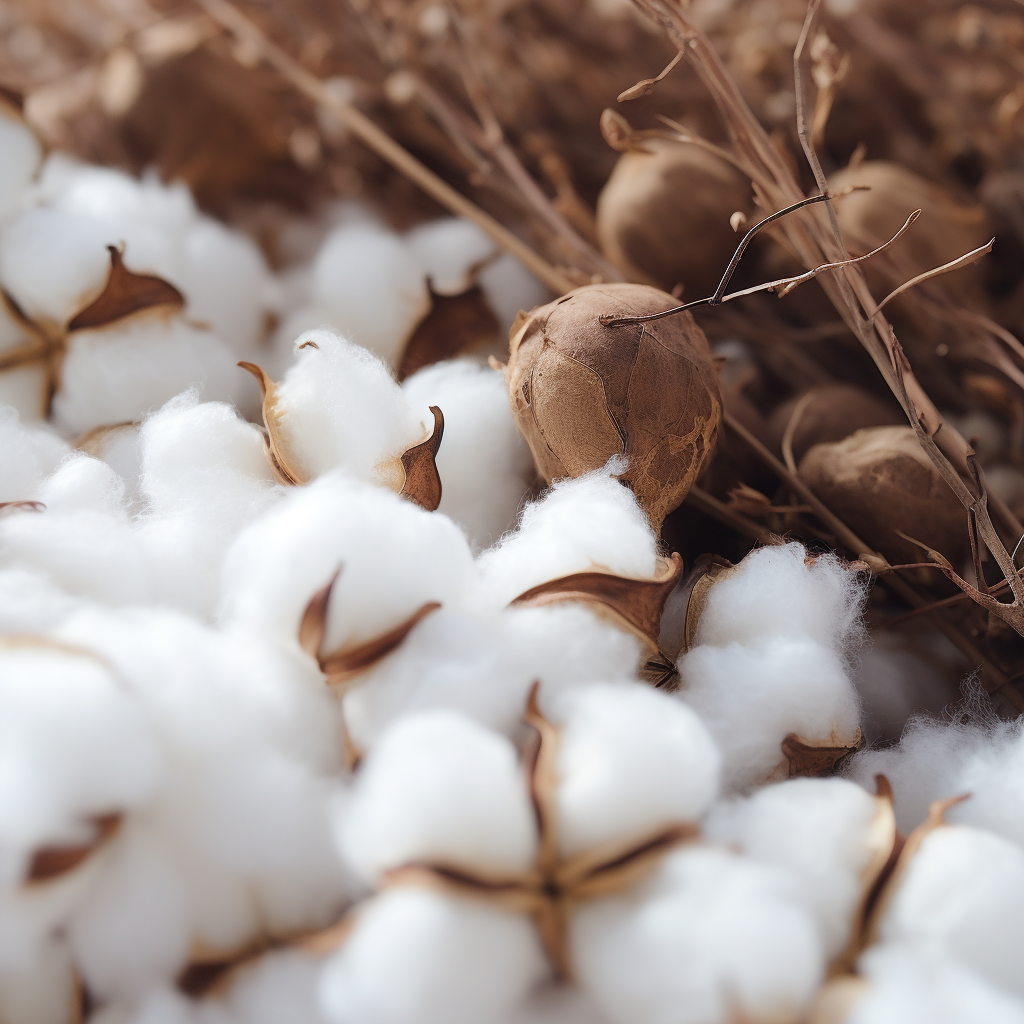
Organic cotton refers to cotton that is grown using organic agricultural practices. Unlike conventional cotton, which relies heavily on synthetic fertilizers, pesticides, and genetically modified organisms (GMOs), organic cotton is cultivated using natural methods. Organic cotton farmers focus on maintaining soil fertility, conserving water, and promoting biodiversity through practices such as crop rotation, composting, and natural pest control.
Organic Cotton Production Process:
The production process of organic cotton involves several key steps. It begins with selecting organic cotton seeds, which are free from genetic modifications. These seeds are then sown in fertile soil, ensuring that no synthetic pesticides or fertilizers are used during cultivation. Instead, organic farmers rely on natural pest control methods, such as beneficial insects and trap crops, to manage pests.
Throughout the growth cycle, organic cotton plants receive regular irrigation and care, with an emphasis on sustainable water management. Weeding is done manually or through mechanical means to avoid the use of herbicides. Once the cotton bolls mature, they are carefully harvested by hand or with the help of machinery.
After harvesting, the cotton undergoes a process of ginning to separate the fibers from the seeds. This is followed by cleaning, spinning, and weaving to create the fabric that will be used for various applications, including organic cotton wipes.
Advantages of Organic Cotton over Conventional Cotton:
There are several advantages to choosing organic cotton over conventional cotton. Firstly, organic cotton production practices prioritize environmental sustainability. By avoiding the use of synthetic pesticides and fertilizers, organic cotton farming helps preserve soil quality and prevents water pollution. It also promotes biodiversity by encouraging the growth of beneficial insects and supporting natural ecosystems.
Secondly, organic cotton is better for our health. Conventional cotton cultivation involves the use of harmful chemicals, including pesticides and insecticides, which can leave residues on the cotton fibers. These residues may come into contact with our skin when using products made from conventional cotton, potentially causing skin irritations, allergies, or other adverse health effects. Organic cotton, on the other hand, is free from these harmful chemicals, making it a safer choice for individuals with sensitive skin or allergies.
Furthermore, organic cotton farming practices often prioritize the welfare and fair treatment of farmers and workers. Many organic cotton initiatives support fair trade principles, ensuring that farmers receive fair wages, work in safe conditions, and have access to social benefits. By choosing organic cotton products like wipes, you are supporting a more equitable and responsible supply chain.
Certification and Standards for Organic Cotton:
To ensure the authenticity and quality of organic cotton products, various certification bodies and standards have been established. The most widely recognized certification for organic cotton is the Global Organic Textile Standard (GOTS). GOTS sets strict criteria for organic fiber production, including the use of organic farming practices, the exclusion of genetically modified organisms (GMOs), and the prohibition of harmful chemicals in processing and manufacturing.
When purchasing organic cotton wipes, look for certifications such as GOTS to ensure that the product meets rigorous organic standards. These certifications provide assurance that the cotton used in the wipes is genuinely organic and has been produced with consideration for both environmental and social factors.
By understanding the process and benefits of organic cotton production, we can appreciate the value and importance of choosing organic cotton wipes. In the next section, we will explore the different types of organic cotton wipes available in the market, starting with baby wipes.
Different Types of Organic Cotton Wipes
Organic cotton wipes come in various types, each catering to specific needs and applications. In this section, we will explore the different types of organic cotton wipes available in the market, including baby wipes, facial wipes, and household wipes. We will discuss their unique features, benefits, recommended brands, and usage tips to help you choose the right organic cotton wipes for your requirements.
Baby Organic Cotton Wipes:
Baby wipes are a staple for parents, providing a convenient and gentle solution for cleaning their little one’s delicate skin. Organic cotton baby wipes are specially designed with the needs of babies in mind. They are made from soft and hypoallergenic materials, ensuring that they are gentle and safe for even the most sensitive skin.
The benefits of using organic cotton wipes for babies are numerous. Firstly, they are free from harmful chemicals, such as synthetic fragrances, alcohol, and preservatives, which can irritate the skin and cause allergies. Organic cotton wipes provide a natural and non-toxic cleansing option, reducing the risk of skin irritations or reactions.
When choosing baby wipes, look for brands that are specifically formulated for babies and have received positive reviews for their softness and effectiveness. Some recommended brands for organic cotton baby wipes include Earth’s Best, Seventh Generation, and WaterWipes. These brands prioritize using organic cotton and gentle ingredients to ensure the safety and comfort of your baby’s skin.
To make the most out of baby organic cotton wipes, it’s essential to follow proper usage and storage tips. Ensure that the wipes are appropriately sealed to maintain their moisture and prevent contamination. When using the wipes, be gentle and avoid excessive rubbing or pulling on the baby’s skin. After use, dispose of the wipes responsibly, considering eco-friendly disposal methods that we will discuss later in this guide.
Facial Organic Cotton Wipes:
Facial wipes are a convenient option for removing makeup, cleansing the face, or refreshing the skin on-the-go. Organic cotton facial wipes offer the benefits of gentle and natural cleansing without the use of harsh chemicals or synthetic materials.
Choosing organic cotton wipes for your facial skincare routine ensures that you are treating your skin with care and avoiding potential irritants. Organic cotton is soft, non-abrasive, and absorbs impurities effectively, making it suitable for all skin types, including sensitive and acne-prone skin.
When selecting facial organic cotton wipes, consider brands that prioritize using organic and sustainably sourced materials. Look for wipes that are fragrance-free, alcohol-free, and free from potentially harmful ingredients. Some popular brands for organic cotton facial wipes include Burt’s Bees, Yes To, and Natracare.
To choose the right facial organic cotton wipes for your needs, consider your specific skincare concerns. Some wipes may be formulated for makeup removal, while others may focus on deep cleansing or moisturizing. Read product descriptions and reviews to find the best option for your skincare routine.
Household Organic Cotton Wipes:
In addition to personal care, organic cotton wipes also have applications in household cleaning. Household organic cotton wipes provide an eco-friendly alternative to traditional household wipes, which often contain synthetic materials and harsh chemicals.
These wipes can be used for a variety of cleaning tasks, such as wiping surfaces, dusting, or even disinfecting. They are made from organic cotton and are often infused with natural cleaning agents or essential oils for added effectiveness.
When choosing household organic cotton wipes, look for brands that prioritize sustainability and offer eco-friendly alternatives to conventional cleaning wipes. Some popular brands include E-Cloth, Marley’s Monsters, and Grove Collaborative. These brands often provide reusable options that can be washed and reused multiple times, reducing waste and the need for single-use disposable wipes.
Consider the specific cleaning needs of your home when selecting household organic cotton wipes. Some wipes may be better suited for general cleaning, while others may have specific applications, such as glass cleaning or disinfecting. Read product descriptions and reviews to find the right wipes for your household cleaning routine.
In the next section, we will explore important factors to consider when buying organic cotton wipes, such as quality, ingredients, packaging, and price.
Factors to Consider When Buying Organic Cotton Wipes
When it comes to purchasing organic cotton wipes, there are several important factors to consider. From quality and texture to ingredients and packaging, these factors can help you make an informed decision and choose the best organic cotton wipes for your needs. In this section, we will explore these factors in detail.
Quality and Texture of Organic Cotton:
One of the key factors to consider when buying organic cotton wipes is the quality and texture of the cotton itself. Look for wipes made from high-quality organic cotton fibers that are soft, absorbent, and durable. Organic cotton that is grown using sustainable practices tends to have a better texture and feel compared to conventional cotton.
The texture of the wipes should be gentle on the skin, especially if you are using them for sensitive areas or for baby care. Ensure that the wipes are free from rough edges or abrasive materials that may cause irritation. Reading customer reviews and product descriptions can provide valuable insights into the quality and texture of different organic cotton wipes.
Ingredients and Additives to Avoid:
Another important consideration is the ingredients and additives used in the organic cotton wipes. While organic cotton itself is free from synthetic pesticides and genetically modified organisms (GMOs), some wipes may still contain additional ingredients or additives.
Avoid wipes that contain harmful chemicals such as parabens, phthalates, fragrances, or alcohol. These ingredients can be irritating to the skin and may have adverse health effects. Instead, look for wipes that are free from these additives or opt for wipes that use natural and organic ingredients, such as plant extracts or essential oils.
Reading the product labels and ingredient lists can help you identify any potential allergens or irritants. If you have specific sensitivities or allergies, consult with a dermatologist or healthcare professional to ensure that the organic cotton wipes you choose are suitable for your needs.
Packaging and Sustainability:
The packaging of organic cotton wipes is another factor to consider, particularly in terms of sustainability. Look for wipes that come in eco-friendly packaging, such as recyclable or biodegradable materials. Some brands offer wipes in compostable packaging, further reducing the environmental impact.
Additionally, consider the size and design of the packaging, as it can impact the convenience and ease of use. Wipes packaged in resealable containers or individual packets are more convenient for on-the-go use and help prevent the wipes from drying out.
Purchasing wipes in larger quantities or in bulk can also reduce packaging waste and be more cost-effective in the long run. However, ensure that the wipes can be properly sealed and stored to maintain their freshness and effectiveness.
Price and Value for Money:
While price should not be the sole determining factor, it is important to consider the price and value for money when buying organic cotton wipes. Organic products often carry a higher price tag due to the additional costs associated with sustainable farming practices and certifications.
Compare prices and consider the quantity of wipes provided in each pack to assess the value for money. It may be more cost-effective to purchase larger packs or multipacks if you use the wipes frequently. However, be cautious of bulk purchases if you won’t be able to use all the wipes before they expire or dry out.
Remember that the value of organic cotton wipes extends beyond the price tag. By choosing organic and sustainable products, you are investing in your health, the environment, and supporting responsible agricultural practices.
By considering these factors when buying organic cotton wipes, you can ensure that you make a well-informed decision and choose the best wipes for your needs. In the next section, we will dive into how to care for and dispose of organic cotton wipes responsibly, ensuring that you maximize their use and minimize their environmental impact.
How to Care for and Dispose of Organic Cotton Wipes
Caring for and properly disposing of organic cotton wipes is essential to maximize their use and minimize their environmental impact. In this section, we will provide guidance on how to care for and dispose of organic cotton wipes responsibly.
Proper Washing and Drying Techniques:
If you are using reusable organic cotton wipes, it is important to follow proper washing and drying techniques to maintain their cleanliness and effectiveness. Start by rinsing the used wipes in cold water to remove any debris or residues. Then, you can either hand wash them or machine wash them using a gentle cycle and mild detergent.
Avoid using fabric softeners or bleach, as these can reduce the absorbency and quality of the organic cotton fibers. Instead, opt for natural alternatives like vinegar or baking soda to enhance the cleaning process and remove any stains or odors.
After washing, allow the organic cotton wipes to air dry or use a low heat setting in the dryer. Excessive heat can damage the fibers and diminish the softness of the wipes. Once dry, store the reusable wipes in a clean and dry container until their next use.
Storage and Hygiene Tips:
To maintain the hygiene and freshness of organic cotton wipes, proper storage is crucial. Ensure that the wipes are stored in a clean, dry, and airtight container to prevent contamination and maintain their moisture. If you are using reusable wipes, consider having separate containers for clean and used wipes to avoid cross-contamination.
Regularly inspect the wipes for any signs of wear and tear. Discard any wipes that are frayed, damaged, or have lost their softness, as they may no longer provide the desired cleansing effect.
If you are using organic cotton wipes for different purposes, such as baby care and household cleaning, it is important to separate them and use different sets of wipes to avoid the transfer of germs or chemicals.
Eco-Friendly Disposal Methods:
While many organic cotton wipes are designed for multiple uses, there may come a time when you need to dispose of them. When it comes to eco-friendly disposal, there are a few options to consider.
One option is composting. If the organic cotton wipes are made from 100% organic cotton and free from any synthetic additives, they can be composted in home composting systems. However, avoid composting wipes that have been used with cleaning products or contain non-biodegradable materials.
Another option is to dispose of the used wipes in the regular waste bin. However, be sure to check with your local waste management guidelines to ensure that the wipes are disposed of properly. Some areas may have specific instructions for disposing of organic cotton wipes or may provide dedicated bins for organic waste.
Recycling and Repurposing Options:
Depending on the specific brand or type of organic cotton wipes, there may be recycling or repurposing options available. Some brands offer recycling programs where you can send back the used wipes for proper recycling or upcycling. Check the product packaging or the brand’s website for information on recycling initiatives.
Additionally, you can repurpose the used organic cotton wipes for various purposes. For example, they can be used as cleaning rags, makeup remover pads, or even as gentle exfoliators for the body. Get creative and find ways to extend the lifespan of the wipes before considering disposal.
By following these care and disposal guidelines, you can ensure that your organic cotton wipes are used to their fullest potential and minimize their impact on the environment.
In the next section, we will wrap up this comprehensive guide to organic cotton wipes by summarizing the benefits and importance of choosing organic and sustainable products in our daily lives.
Conclusion
In this comprehensive guide to organic cotton wipes, we have explored the world of these eco-friendly alternatives and highlighted their numerous benefits. From baby wipes to facial wipes and household wipes, organic cotton wipes offer a sustainable and gentle cleaning solution for various needs.
By choosing organic cotton wipes, you are making a conscious decision to prioritize your health and the well-being of the planet. Organic cotton is grown without the use of synthetic pesticides, fertilizers, or genetically modified organisms, making it a safer and more environmentally friendly option. Additionally, organic cotton farming practices promote biodiversity, conserve water, and support fair trade and ethical labor practices.
When purchasing organic cotton wipes, consider factors such as quality, texture, ingredients, packaging, and price. Look for reputable brands that prioritize sustainability and offer products that align with your specific needs. By doing so, you can ensure that you are investing in high-quality wipes that are safe for you and the environment.
Proper care and disposal of organic cotton wipes are essential to maximize their usefulness and minimize their environmental impact. Follow the recommended washing and drying techniques, store the wipes properly, and consider eco-friendly disposal methods such as composting or recycling. Repurposing the wipes for other purposes can also extend their lifespan and reduce waste.
Choosing organic and sustainable products like organic cotton wipes is not just a personal choice; it is a statement of our commitment to a greener and more conscious lifestyle. By making small changes in our everyday choices, we can collectively make a significant positive impact on the environment and future generations.
So, let’s embrace the benefits of organic cotton wipes and encourage others to join us on this journey towards a more sustainable and eco-friendly future. Together, we can make a difference, one wipe at a time.