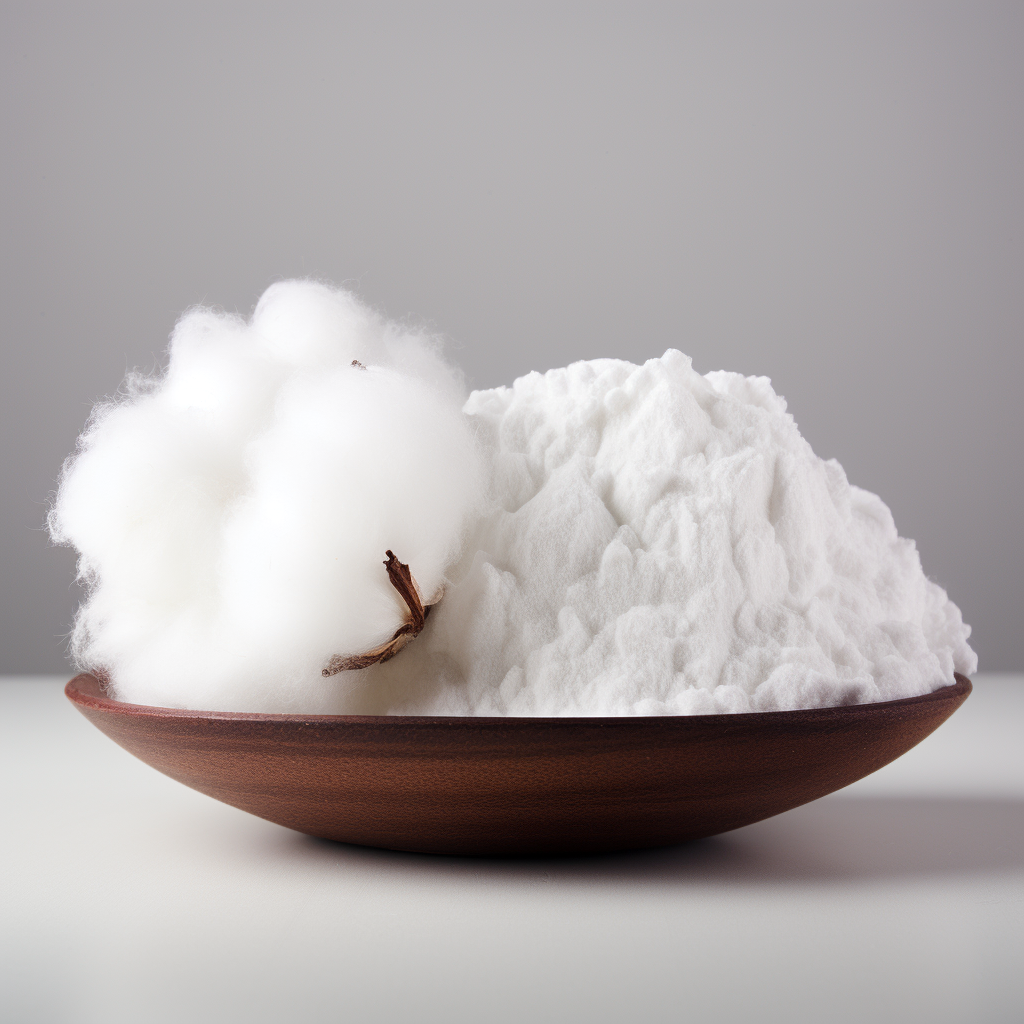
In recent years, there has been a growing awareness and concern about the impact of our choices on the environment and our health. This has led to a rise in the popularity of sustainable and eco-friendly alternatives in various aspects of our lives, including feminine hygiene products. One such option that is gaining traction is organic cotton core tampons.
Section 1: Introduction
1.1 What are organic cotton core tampons?
Organic cotton core tampons are a type of feminine hygiene product that is made using organic cotton for the absorbent core. Unlike conventional tampons, which are often made with synthetic materials and may contain harmful chemicals, organic cotton core tampons offer a natural and environmentally friendly alternative.
1.2 Why are organic cotton core tampons gaining popularity?
As people become more conscious of the potential risks associated with conventional tampons, such as exposure to harmful chemicals and the environmental impact of their production and disposal, there is a growing demand for safer and more sustainable options. Organic cotton core tampons address these concerns and offer a healthier and greener choice for feminine hygiene.
1.3 The importance of using organic and natural feminine hygiene products
The intimate nature of feminine hygiene products makes it crucial to prioritize safety and minimize exposure to potentially harmful substances. Organic and natural options, like organic cotton core tampons, provide a safer alternative by reducing the risk of irritation, allergic reactions, and potential long-term health effects.
1.4 Overview of the blog post’s structure and key topics
This blog post aims to provide a comprehensive guide to organic cotton core tampons, covering various aspects such as understanding their benefits, choosing the right product, addressing common concerns, and exploring additional resources. By the end, you will have a clear understanding of why organic cotton core tampons are a sustainable and safe choice for feminine hygiene.
Section 2: Understanding Organic Cotton Core Tampons
In this section, we will delve deeper into the specifics of organic cotton core tampons. We will explore the difference between regular tampons and organic cotton core tampons, learn about their production process, and discuss the numerous benefits they offer, including reduced exposure to harmful chemicals, sustainability, hypoallergenic properties, and biodegradability.
Section 3: Choosing the Right Organic Cotton Core Tampons
Selecting the right organic cotton core tampons can be overwhelming with the variety of options available. In this section, we will discuss important factors to consider, such as absorbency levels, tampon sizes, and applicator options. We will also explore tampon labeling and certifications to help you make an informed decision. Additionally, we will highlight popular brands, providing detailed descriptions, features, and user reviews to assist you in finding the perfect fit for your needs.
Section 4: Addressing Concerns and Common Questions
It is natural to have concerns and questions when considering a switch to organic cotton core tampons. In this section, we will address common queries, including cost comparisons, effectiveness, the risk of Toxic Shock Syndrome (TSS), safe and comfortable usage, and suitability for people with sensitive skin or allergies. By addressing these concerns, we aim to provide clarity and peace of mind.
Section 5: Additional Resources and Conclusion
To further expand your knowledge and options for organic feminine hygiene products, this section will introduce other alternatives, such as organic cotton pads and liners, as well as menstrual cups made from organic materials. We will also provide practical tips for transitioning to organic cotton core tampons. Finally, we will conclude by summarizing the benefits of choosing organic cotton core tampons for both your health and the environment.
Note: This blog post outline provides a comprehensive structure for a detailed and informative blog post on organic cotton core tampons. Each section can be expanded to include research, expert opinions, and real-life examples to create a comprehensive and engaging read.
Understanding Organic Cotton Core Tampons
Organic cotton core tampons have gained significant attention and popularity in recent years due to their unique composition and numerous benefits. Understanding what sets them apart from regular tampons is essential for making an informed choice about your feminine hygiene products.
What is the difference between regular tampons and organic cotton core tampons?
Regular tampons, commonly found in most stores, are often made with synthetic materials such as rayon or a blend of rayon and cotton. These tampons may also contain additives like fragrances, dyes, and chlorine bleach. On the other hand, organic cotton core tampons are made with 100% organic cotton, ensuring a natural and chemical-free product.
The use of organic cotton in tampons offers several advantages. First and foremost, organic cotton is grown without the use of synthetic pesticides and fertilizers, reducing exposure to potentially harmful chemicals. This is particularly important for a product that comes into direct contact with sensitive and absorbent areas of the body.
Moreover, the organic farming practices used to cultivate cotton minimize environmental impact, promoting soil health and biodiversity. By choosing organic cotton core tampons, you are not only prioritizing your well-being but also supporting sustainable agriculture and contributing to a cleaner planet.
How are organic cotton core tampons made?
The production process of organic cotton core tampons involves several steps to ensure the highest quality and purity. Let’s take a closer look at how these tampons are made:
-
Organic Cotton Harvesting: The journey begins with the cultivation of organic cotton using natural and sustainable farming methods. Farmers follow strict guidelines to avoid the use of synthetic pesticides, herbicides, and genetically modified organisms (GMOs).
-
Cotton Ginning: After harvesting, the cotton fibers are separated from the seeds through a process called ginning. This step helps remove any impurities and prepares the cotton for further processing.
-
Cotton Purification: The cotton fibers undergo a purification process to eliminate any remaining impurities, such as dirt, debris, or residual chemicals. This step ensures a clean and safe material for the tampons.
-
Core Formation: The purified cotton fibers are then layered and compacted to form the absorbent core of the tampons. This core is designed to efficiently absorb menstrual flow while maintaining comfort and reliability.
-
Tampon Assembly: The cotton core is encased in a soft and breathable cover, typically made from organic cotton or other natural materials. Some tampons may also feature an applicator for ease of insertion.
-
Quality Control: Before reaching the market, organic cotton core tampons undergo rigorous quality control checks to ensure they meet the highest standards of safety, absorbency, and performance.
By adhering to these meticulous manufacturing processes, organic cotton core tampons deliver a premium product that is both safe for your body and environmentally responsible.
Benefits of using organic cotton core tampons
Organic cotton core tampons offer a range of benefits that make them an attractive choice for those concerned about their health and the environment. Let’s explore some of the advantages:
Reduced exposure to harmful chemicals and toxins: Conventional tampons may contain synthetic materials and chemicals that could potentially disrupt hormonal balance or cause allergic reactions. Switching to organic cotton core tampons eliminates such risks, as they are free from chlorine bleach, dyes, fragrances, and other questionable additives.
Environmentally friendly and sustainable production: Organic cotton farming practices prioritize soil health, biodiversity, and water conservation. By choosing organic cotton core tampons, you actively support sustainable agriculture and contribute to reducing the environmental impact of the textile industry.
Hypoallergenic properties and reduced risk of irritation: Organic cotton is naturally breathable and gentle on the skin, making it an excellent choice for individuals with sensitive skin or allergies. The absence of synthetic materials and harsh chemicals can minimize the risk of irritation and promote overall comfort during your menstrual cycle.
Biodegradable and compostable options: As the world grapples with the growing issue of single-use plastics, it is crucial to opt for products that are biodegradable and compostable. Many organic cotton core tampons are designed to break down naturally, reducing waste and leaving a smaller ecological footprint.
By selecting organic cotton core tampons, you prioritize your well-being, support sustainable practices, and contribute to a greener future. The next section will delve into the process of choosing the right organic cotton core tampons, taking into consideration various factors that can influence your decision.
Choosing the Right Organic Cotton Core Tampons
When it comes to selecting organic cotton core tampons, there are several factors to consider to ensure you find the right product that meets your needs and preferences. From absorbency levels to applicator options, understanding these considerations will help you make an informed choice.
Factors to consider when selecting organic cotton core tampons
-
Absorbency levels and tampon sizes: Tampons come in different absorbency levels, typically indicated by light, regular, super, and super plus. It is essential to choose the appropriate absorbency level based on your flow. Selecting the right size ensures optimal comfort and leakage protection. Starting with regular absorbency is often recommended for most individuals, and you can adjust based on your experience.
-
Applicator options: cardboard, paper, or plastic? Tampons can be available with different types of applicators, including cardboard, paper, or plastic. Each option has its advantages and considerations. Cardboard and paper applicators are generally more environmentally friendly and biodegradable, while plastic applicators offer smooth insertion. Consider your personal preferences, eco-consciousness, and comfort when selecting the most suitable applicator type.
-
Understanding tampon labeling and certifications: When purchasing organic cotton core tampons, it is important to review the product labeling and look for third-party certifications. Look for certifications such as GOTS (Global Organic Textile Standard) or USDA Organic, which ensure that the tampons meet specific organic standards. These certifications provide assurance that the product is made with organic cotton and has undergone rigorous testing for quality and safety.
Popular brands and their offerings
To help you explore the variety of organic cotton core tampons available, we will now highlight a few popular brands and their offerings. Remember that individual preferences may vary, so it is always recommended to try different brands to find the one that works best for you.
-
Brand A:
Brand A offers a range of organic cotton core tampons in various absorbency levels and sizes. Their tampons feature cardboard applicators, making them an eco-friendly option. They prioritize sustainability by using biodegradable materials and packaging. Customer reviews highlight their comfort, reliability, and commitment to organic practices. -
Brand B:
Brand B focuses on providing organic cotton core tampons with plastic applicators, ensuring smooth and easy insertion. Their tampons are available in a wide range of absorbencies and sizes to accommodate different flow levels. Users appreciate the convenience and comfort offered by their tampons, along with the brand’s commitment to sustainability and organic materials. -
Brand C:
Brand C stands out with their compostable organic cotton core tampons. These tampons are not only made with organic cotton but are also designed to break down naturally after disposal. With a range of absorbencies and sizes, Brand C offers reliable and eco-friendly options for individuals seeking sustainable feminine hygiene products. Users appreciate the brand’s dedication to minimizing waste and promoting environmental responsibility.
Remember to read product descriptions, check user reviews, and consider your personal preferences when choosing a brand. It may take some experimentation to find the perfect fit, absorbency, and applicator type that align with your needs.
Addressing Concerns and Common Questions
As with any new product, it is natural to have concerns and questions about organic cotton core tampons. In this section, we will address some common queries to provide you with the information and reassurance you need to make an informed decision.
Are organic cotton core tampons more expensive than regular tampons?
It is true that organic cotton core tampons may be slightly more expensive than conventional tampons. The higher price is often attributed to the use of organic cotton, which requires more labor-intensive farming practices and has a higher production cost. However, the price difference is usually minimal and can vary depending on the brand and packaging size. It is important to remember that the benefits of using organic cotton core tampons, such as reduced exposure to chemicals and the positive environmental impact, outweigh the slightly higher cost for many individuals.
Are organic cotton core tampons as effective as regular tampons?
Yes, organic cotton core tampons are just as effective as regular tampons in terms of absorbency and leakage protection. They are designed to provide the same level of comfort and reliability during your menstrual cycle. The key difference lies in the materials used. Organic cotton core tampons offer the added benefits of being made with natural and chemical-free materials, reducing the risk of potential irritation and allergic reactions. Ultimately, the choice between regular tampons and organic cotton core tampons comes down to personal preference and priorities.
Can organic cotton core tampons cause Toxic Shock Syndrome (TSS)?
Toxic Shock Syndrome (TSS) is a rare but serious condition associated with the use of tampons, regardless of whether they are made with organic cotton or synthetic materials. TSS is primarily linked to prolonged wear of high-absorbency tampons and improper usage. It is important to follow proper tampon usage guidelines, including regularly changing tampons every 4 to 8 hours, using the lowest absorbency necessary, and washing hands before and after insertion. By practicing good hygiene and using tampons responsibly, the risk of TSS can be minimized.
How to insert and remove organic cotton core tampons safely and comfortably?
Inserting and removing organic cotton core tampons follows the same general guidelines as regular tampons. Here are some key steps to ensure safe and comfortable usage:
- Start by washing your hands thoroughly with soap and water.
- Unwrap the tampon and hold it firmly by the base.
- Find a comfortable position, such as sitting on the toilet or standing with one leg elevated.
- Relax your muscles and gently insert the tampon into the vaginal opening at a slight upward angle.
- Push the tampon in until your fingers touch your body, ensuring it is comfortably in place.
- To remove the tampon, gently pull on the string at the base of the tampon until it slides out. Dispose of it in a designated waste bin.
If you experience any discomfort or difficulty during insertion or removal, it is important to consult a healthcare professional for guidance and support.
Can organic cotton core tampons be used by people with sensitive skin or allergies?
Yes, organic cotton core tampons are generally suitable for individuals with sensitive skin or allergies. Organic cotton is naturally hypoallergenic and gentle on the skin, making it a favorable choice for those who are prone to irritation or allergic reactions. However, it is essential to consider individual sensitivities and preferences. If you have known allergies or sensitivities to cotton or other materials, it is advisable to consult with a healthcare professional before using organic cotton core tampons. They can provide personalized advice and guidance based on your specific needs.
By addressing these concerns and providing information on safe usage and potential sensitivities, we aim to empower you to make an informed decision about incorporating organic cotton core tampons into your feminine hygiene routine. The next section will delve into additional resources and alternative options within the realm of organic feminine hygiene products.
Additional Resources and Conclusion
In addition to organic cotton core tampons, there are several other organic feminine hygiene product options available in the market. This section will explore alternative products and provide additional resources to help you make informed choices about your feminine care routine.
Other organic feminine hygiene product options
-
Organic cotton pads and liners: If tampons are not your preferred choice, organic cotton pads and liners are excellent alternatives. They offer the same benefits of organic cotton, providing a natural and chemical-free option for menstrual protection. Organic cotton pads and liners are available in various sizes and absorbencies to suit different needs.
-
Menstrual cups made from organic materials: Menstrual cups have gained popularity as a sustainable and long-lasting alternative to tampons and pads. Some brands offer menstrual cups made from organic materials, such as medical-grade silicone derived from natural sources. These cups provide a comfortable, reusable, and eco-friendly option for managing your period.
Exploring these alternatives allows you to find the product that aligns best with your preferences, comfort, and sustainability goals. Each option has its unique features and benefits, so it may be worth experimenting to find the most suitable solution for your individual needs.
Tips for making the switch to organic cotton core tampons
If you are considering transitioning to organic cotton core tampons, here are some tips to help you make a smooth and successful switch:
-
Start with regular absorbency: If you are unsure about the absorbency level you need, it is generally recommended to start with regular absorbency tampons. You can adjust the absorbency based on your flow and comfort level.
-
Read product descriptions and user reviews: Take the time to read product descriptions, paying attention to the materials used, certifications, and user reviews. This information can provide valuable insights into the performance and reliability of different brands and products.
-
Give yourself time to adjust: It may take some time for your body to adjust to using organic cotton core tampons, especially if you have been using conventional tampons or other menstrual products. Be patient with yourself and give your body time to adapt to the new materials and absorbency levels.
-
Consult a healthcare professional if needed: If you have any specific concerns or questions about using organic cotton core tampons, it is always advisable to consult a healthcare professional. They can provide personalized guidance based on your individual needs and health considerations.
Conclusion: The benefits of using organic cotton core tampons for your health and the environment
In conclusion, organic cotton core tampons offer a safer and more sustainable choice for feminine hygiene. By opting for these tampons, you reduce your exposure to potentially harmful chemicals, support organic and sustainable farming practices, and contribute to a cleaner and greener environment. The use of organic cotton in tampons provides comfort, reliability, and hypoallergenic properties, making them suitable for individuals with sensitive skin or allergies.
When selecting organic cotton core tampons, consider factors such as absorbency levels, applicator options, and certifications to find the product that best suits your needs. Additionally, explore other organic feminine hygiene options, such as organic cotton pads, liners, and menstrual cups, to find the product that aligns with your preferences and sustainability goals.
By making conscious choices about your feminine care routine, you not only prioritize your health and well-being but also contribute to a more sustainable and eco-friendly future. Embrace the benefits of organic cotton core tampons and empower yourself to make informed decisions about your menstrual hygiene.
Addressing Concerns and Common Questions
When it comes to feminine hygiene products, it is common to have concerns and questions about their usage, safety, and effectiveness. In this section, we will address some common concerns and questions regarding organic cotton core tampons to provide you with the necessary information and peace of mind.
Are organic cotton core tampons more expensive than regular tampons?
It is true that organic cotton core tampons may be slightly more expensive than regular tampons. The higher price is often due to the use of organic cotton, which is cultivated without the use of synthetic pesticides or fertilizers. Additionally, the production process of organic cotton core tampons may require more labor and resources. However, the price difference is generally minimal and can vary depending on the brand and specific product. It is important to consider the benefits of using organic cotton core tampons, such as reducing exposure to potentially harmful chemicals and supporting sustainable farming practices, when evaluating the cost.
Are organic cotton core tampons as effective as regular tampons?
Yes, organic cotton core tampons are just as effective as regular tampons in terms of absorbency and leakage protection. The organic cotton core is designed to efficiently absorb menstrual flow and provide reliable protection. The primary difference lies in the materials used. Organic cotton core tampons are made with organic cotton, which is free from synthetic materials, fragrances, and dyes. This reduces the risk of potential irritation and allergic reactions, making them a suitable choice for individuals with sensitive skin or allergies. Ultimately, the choice between regular tampons and organic cotton core tampons depends on personal preference and priorities.
Can organic cotton core tampons cause Toxic Shock Syndrome (TSS)?
Toxic Shock Syndrome (TSS) is a rare but serious condition associated with the use of tampons. It is important to note that TSS can occur with any type of tampon, regardless of whether it is made with organic cotton or other materials. TSS is primarily linked to prolonged wear of high-absorbency tampons and improper usage. To minimize the risk of TSS, it is recommended to follow proper tampon usage guidelines, including changing tampons every 4 to 8 hours, using the lowest absorbency necessary, and practicing good hygiene by washing hands before and after insertion. By using organic cotton core tampons responsibly and following these guidelines, you can reduce the risk of TSS.
How to insert and remove organic cotton core tampons safely and comfortably?
Inserting and removing organic cotton core tampons follows the same general guidelines as regular tampons. Here are some key steps to ensure safe and comfortable usage:
- Start by washing your hands thoroughly with soap and water.
- Unwrap the tampon and hold it firmly by the base.
- Find a comfortable position, such as sitting on the toilet or standing with one leg elevated.
- Relax your muscles and gently insert the tampon into the vaginal opening at a slight upward angle.
- Push the tampon in until your fingers touch your body, ensuring it is comfortably in place.
- To remove the tampon, gently pull on the string at the base of the tampon until it slides out. Dispose of it in a designated waste bin.
If you experience any discomfort or difficulty during insertion or removal, it is important to consult a healthcare professional for guidance and support.
Can organic cotton core tampons be used by people with sensitive skin or allergies?
Yes, organic cotton core tampons are generally suitable for individuals with sensitive skin or allergies. Organic cotton is naturally hypoallergenic and gentle on the skin, making it a favorable choice for those who are prone to irritation or allergic reactions. However, it is important to consider individual sensitivities and consult with a healthcare professional if you have known allergies or sensitivities to cotton or other materials. They can provide personalized advice and guidance based on your specific needs and help you make an informed decision about using organic cotton core tampons.
By addressing these concerns and questions, we hope to provide you with the necessary information and reassurance to make an informed decision about using organic cotton core tampons. The next section will provide additional resources and recommendations for a smoother transition to organic feminine hygiene products.
Additional Resources and Conclusion
In addition to organic cotton core tampons, there are various resources and alternatives available to enhance your organic feminine hygiene routine. This section will provide a brief overview of additional resources and offer concluding thoughts on the benefits of organic cotton core tampons.
Other organic feminine hygiene product options
-
Organic cotton pads and liners: If tampons are not your preferred choice, organic cotton pads and liners are excellent alternatives. Made with organic cotton, these products provide a natural and chemical-free option for menstrual protection. They come in different sizes and absorbencies to cater to various needs.
-
Menstrual cups made from organic materials: Menstrual cups have gained popularity as a sustainable and reusable alternative to tampons and pads. Some brands offer menstrual cups made from organic materials, such as medical-grade silicone derived from natural sources. These cups provide a comfortable, eco-friendly, and cost-effective option for managing your period.
-
Reusable cloth pads: For those seeking a more environmentally friendly and cost-effective option, reusable cloth pads are worth considering. These pads are made from soft and absorbent fabrics, such as organic cotton or bamboo, and can be washed and reused multiple times. They offer a sustainable and chemical-free alternative to disposable pads.
Exploring these alternatives allows you to find the product that aligns best with your preferences, comfort, and sustainability goals. Each option has its unique features and benefits, so it may be worth experimenting to find the most suitable solution for your individual needs.
Tips for making the switch to organic cotton core tampons
If you are considering transitioning to organic cotton core tampons, here are some tips to help you make a smooth and successful switch:
-
Start with regular absorbency: If you are unsure about the absorbency level you need, it is generally recommended to start with regular absorbency tampons. You can adjust the absorbency based on your flow and comfort level.
-
Read product descriptions and user reviews: Take the time to read product descriptions, paying attention to the materials used, certifications, and user reviews. This information can provide valuable insights into the performance and reliability of different brands and products.
-
Give yourself time to adjust: It may take some time for your body to adjust to using organic cotton core tampons, especially if you have been using conventional tampons or other menstrual products. Be patient with yourself and give your body time to adapt to the new materials and absorbency levels.
-
Consult a healthcare professional if needed: If you have any specific concerns or questions about using organic cotton core tampons, it is always advisable to consult a healthcare professional. They can provide personalized guidance based on your individual needs and health considerations.
Conclusion: The benefits of using organic cotton core tampons for your health and the environment
In conclusion, organic cotton core tampons offer a safer and more sustainable choice for feminine hygiene. By opting for these tampons, you reduce your exposure to potentially harmful chemicals, support organic and sustainable farming practices, and contribute to a cleaner and greener environment. The use of organic cotton in tampons provides comfort, reliability, and hypoallergenic properties, making them suitable for individuals with sensitive skin or allergies.
When selecting organic cotton core tampons, consider factors such as absorbency levels, applicator options, and certifications to find the product that best suits your needs. Additionally, explore other organic feminine hygiene options, such as organic cotton pads, liners, and menstrual cups, to find the product that aligns with your preferences and sustainability goals.
By making conscious choices about your feminine care routine, you not only prioritize your health and well-being but also contribute to a more sustainable and eco-friendly future. Embrace the benefits of organic cotton core tampons and empower yourself to make informed decisions about your menstrual hygiene.