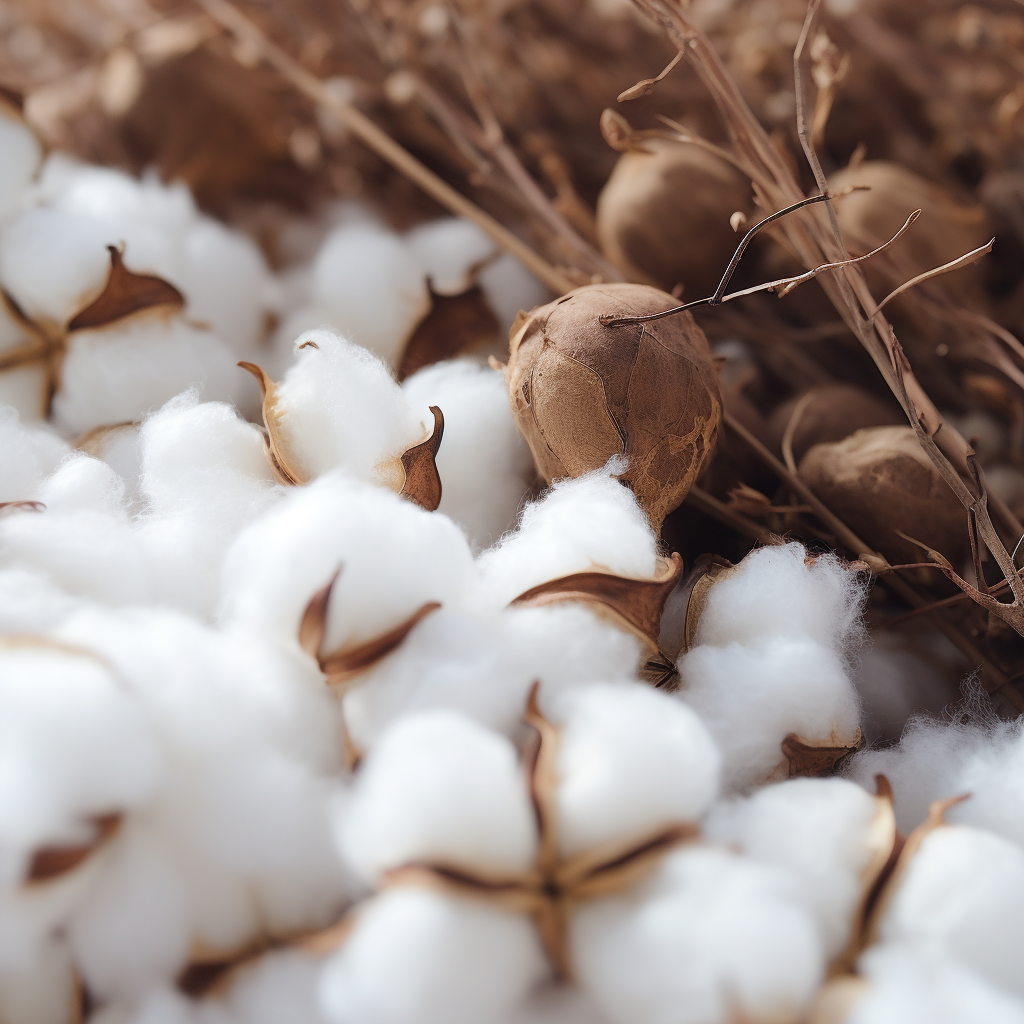
Organic cotton has gained immense popularity in recent years due to its numerous benefits for both the environment and our health. As conscious consumers, we strive to make sustainable choices, and opting for organic cotton products is a step in the right direction. However, it’s essential to understand that the journey to sustainability doesn’t end with the purchase of organic cotton items. To truly maximize their longevity and maintain their quality, we need to master the art of washing organic cotton.
In this comprehensive guide, we will delve into the world of organic cotton and explore the various aspects of washing it effectively and safely. From understanding what organic cotton is and its benefits to deciphering washing instructions and choosing the right detergent, we will leave no stone unturned in our quest for long-lasting quality and sustainability.
Section 1: Introduction to Organic Cotton
Before we dive into the nitty-gritty of washing organic cotton, we will start by exploring what exactly organic cotton is and why it has become such a popular choice for conscious consumers. We will also discuss the benefits of using organic cotton products, both for ourselves and the environment. Understanding the unique qualities of organic cotton will help us appreciate the importance of properly caring for it through the washing process.
Section 2: Understanding Washing Instructions for Organic Cotton
To ensure the longevity of our organic cotton items, it’s crucial to understand how to decipher the care labels and washing symbols. In this section, we will unravel the mysteries behind those symbols and explain what they mean. We will also discuss any special considerations that need to be taken into account when washing organic cotton.
Section 3: Preparing Organic Cotton for Washing
Preparing our organic cotton items for washing is an essential step in the process. We will explore how to properly sort our items and treat any stains that may be present. Additionally, we will delve into the world of detergents and guide you in choosing the right one specifically designed for organic cotton.
Section 4: Different Methods of Washing Organic Cotton
In this section, we will explore the two main methods of washing organic cotton: machine washing and hand washing. We will guide you through the appropriate water temperature, wash cycle, and detergent amount when using a machine. For those who prefer hand washing, we will provide instructions on creating a gentle washing solution and proper techniques for hand washing organic cotton.
Section 5: Drying and Storing Organic Cotton
Proper drying and storage techniques play a crucial role in maintaining the quality of organic cotton. We will discuss the benefits of air drying versus machine drying and provide tips to prevent shrinkage and wrinkles. Additionally, we will explore the importance of storing organic cotton items correctly to preserve their longevity.
Conclusion: Maintaining the Quality and Longevity of Organic Cotton Products
In conclusion, mastering the art of washing organic cotton is essential for ensuring the long-lasting quality and sustainability of our products. By following the guidelines and tips provided in this complete guide, we can take pride in our conscious choices and continue to enjoy the benefits of organic cotton for years to come. So, let’s embark on this journey together and unlock the secrets to washing organic cotton effectively and sustainably.
Organic cotton is not just a trendy buzzword; it represents a significant shift towards sustainable and environmentally-friendly practices in the textile industry. Unlike conventionally grown cotton, organic cotton is cultivated without the use of synthetic pesticides, herbicides, or genetically modified seeds. This natural cultivation process helps to maintain soil fertility, conserve water, and promote biodiversity.
The benefits of using organic cotton products extend beyond environmental considerations. Organic cotton is also gentle on our skin, making it a safe and healthy choice, especially for those with sensitive skin or allergies. The absence of harmful chemicals reduces the risk of skin irritation and allergic reactions, ensuring a comfortable and safe experience.
Properly washing organic cotton is crucial to maintain its quality, durability, and longevity. By following the right washing techniques and using suitable detergents, we can ensure that our organic cotton items remain soft, vibrant, and in excellent condition for years to come. In the following sections, we will explore the various aspects of washing organic cotton, from understanding washing instructions to different methods of washing and proper drying and storage techniques.
Introduction to Organic Cotton
Organic cotton is a type of cotton that is grown without the use of synthetic chemicals, such as pesticides and fertilizers. Instead, organic cotton farmers rely on natural methods to manage pests and maintain soil fertility. This sustainable approach not only helps to protect the environment but also ensures that the cotton fibers are free from harmful residues.
The cultivation of organic cotton involves following strict guidelines and obtaining certification from reputable organizations such as the Global Organic Textile Standard (GOTS) or the Organic Content Standard (OCS). These certifications guarantee that the cotton has been produced using sustainable practices, from the field to the final product.
One of the main benefits of organic cotton is its reduced impact on the environment. Conventional cotton farming is notorious for its heavy use of pesticides and insecticides, which can contaminate the soil, water, and surrounding ecosystems. In contrast, organic cotton farming promotes biodiversity and helps to maintain the health of the soil, leading to a more sustainable and balanced ecosystem.
Another advantage of organic cotton is its positive impact on the health and well-being of those who wear it. The absence of harmful chemicals in organic cotton products reduces the risk of skin irritation, allergies, and respiratory problems. People with sensitive skin or conditions such as eczema can particularly benefit from using organic cotton.
Furthermore, organic cotton is often softer and more comfortable to wear compared to conventional cotton. The fibers are not treated with harsh chemicals during processing, preserving their natural softness and breathability. This makes organic cotton ideal for various applications, including clothing, bedding, towels, and baby products.
In the next sections, we will explore the essential aspects of washing organic cotton, from understanding washing instructions to different methods of washing and proper drying and storage techniques. By following these guidelines, you can ensure that your organic cotton items remain in optimal condition, prolonging their lifespan and minimizing environmental impact.
Understanding Washing Instructions for Organic Cotton
When it comes to washing your organic cotton items, it is essential to pay close attention to the care label and understand the washing instructions provided. The care label typically includes symbols and text that indicate the recommended care procedures for your organic cotton products. By following these instructions, you can ensure that your items are washed in a way that maintains their quality and extends their lifespan.
One of the first things to look for on the care label is the washing symbol. This symbol is usually represented by a basin filled with water and indicates whether the item should be machine washed, hand washed, or dry-cleaned. Understanding this symbol is crucial because it determines the appropriate washing method for your organic cotton item.
If the care label indicates that machine washing is suitable, you can proceed with cleaning your organic cotton item using a washing machine. However, it is essential to select the appropriate water temperature and wash cycle. Organic cotton typically washes well in warm or cold water, but it’s best to follow the specific temperature guidelines provided on the care label. Additionally, choose a wash cycle that is gentle enough to prevent damage to the fabric.
For those items that require hand washing, the care label will provide instructions on how to proceed. Hand washing allows for more control over the washing process and is often recommended for delicate or heavily soiled organic cotton items. When hand washing, it’s important to prepare a clean sink or basin, fill it with water at the recommended temperature, and use a gentle detergent suitable for organic cotton.
In addition to the washing symbol, the care label may include other symbols that provide further instructions. These symbols may indicate whether the item can be bleached, tumble dried, or ironed. It is crucial to follow these guidelines to avoid damaging your organic cotton items.
If the care label is missing or illegible, it’s always a good idea to err on the side of caution. In such cases, it is best to assume that the item requires gentle care and opt for a more delicate washing method, such as hand washing. By taking the time to understand and follow the washing instructions provided, you can ensure that your organic cotton items are cleaned in a way that maintains their quality and extends their lifespan.
Preparing Organic Cotton for Washing
Properly preparing your organic cotton items before washing is an important step in maintaining their quality and ensuring effective cleaning. By following a few simple steps, you can help prevent damage and maximize the effectiveness of the washing process.
The first step in preparing organic cotton for washing is to sort your items based on color, fabric type, and level of dirtiness. Sorting your laundry helps prevent color bleeding and ensures that delicate items are not subjected to harsh washing conditions. Separate white and light-colored items from dark-colored items to prevent color transfer during the wash. Additionally, separate heavily soiled items from lightly soiled ones to prevent dirt from spreading and potentially staining other garments.
Once you have sorted your organic cotton items, it’s time to treat any stains that may be present. Organic cotton is known for its absorbent nature, which makes it prone to staining. To effectively treat stains, it’s important to act quickly. Start by identifying the type of stain and selecting an appropriate stain remover or pre-treatment method. There are various natural and commercial stain removal options available, from using a mixture of vinegar and water to applying a specialized enzyme-based stain remover. Gently blot or rub the stain remover into the fabric, then let it sit for a few minutes before proceeding with the washing process.
Choosing the right detergent for organic cotton is essential to maintain its quality and longevity. Look for a mild detergent that is specifically formulated for organic or natural fibers. Harsh detergents containing bleach or optical brighteners can damage the fibers and strip away the natural softness and color of organic cotton. Opt for detergents that are free from synthetic fragrances, dyes, and harsh chemicals. By selecting a detergent that is gentle on the environment and on your organic cotton items, you can ensure a thorough yet gentle cleaning process.
It is worth noting that organic cotton items can sometimes shrink, especially if exposed to high heat during washing. To minimize the risk of shrinkage, it is advisable to wash your organic cotton items in cool or warm water rather than hot water. Additionally, avoid overloading the washing machine, as overcrowding can prevent proper agitation and rinsing, resulting in ineffective cleaning and potential damage to the fabric.
By following the proper preparation steps, such as sorting, stain treatment, and using the right detergent, you can ensure that your organic cotton items are ready for a successful washing process. These simple yet important steps will help maintain the quality and appearance of your organic cotton items, allowing you to enjoy them for years to come.
Different Methods of Washing Organic Cotton
When it comes to washing organic cotton, there are two primary methods to choose from: machine washing and hand washing. Each method has its advantages and considerations, and understanding the differences can help you determine which approach is best suited for your organic cotton items.
- Machine Washing Organic Cotton:
Machine washing is a convenient and efficient way to clean your organic cotton items, especially when dealing with larger quantities or heavily soiled garments. However, it’s important to follow specific guidelines to ensure that your organic cotton items are properly cared for.
First, set your washing machine to the appropriate water temperature. Organic cotton generally tolerates warm or cold water well, but refer to the care label for specific temperature recommendations. Using hot water is generally not recommended, as it can lead to shrinkage and potentially damage the fabric.
Next, select a gentle wash cycle to protect the fibers of your organic cotton items. Delicate or hand wash cycles are usually suitable for organic cotton, as they ensure a more gentle agitation process. Avoid using heavy-duty cycles or those designed for heavily soiled items, as they can be too harsh and may cause unnecessary wear and tear.
When it comes to the amount of detergent to use, follow the detergent manufacturer’s instructions and consider the size of your laundry load. Using too much detergent can lead to soap residue buildup, while using too little may result in inadequate cleaning. Opt for a mild detergent specifically formulated for organic cotton to maintain the fabric’s integrity and avoid harsh chemicals that can degrade the fibers.
- Hand Washing Organic Cotton:
Hand washing is a preferred method for delicate or heavily soiled organic cotton items that require extra care. This method allows for more control over the washing process and minimizes the risk of damaging the fabric.
To hand wash organic cotton, start by filling a clean sink or basin with water at the appropriate temperature. Use a gentle detergent suitable for organic cotton and dissolve it in the water. Submerge the organic cotton item and gently agitate it by hand, ensuring that all areas are thoroughly cleaned. Avoid scrubbing or twisting the fabric, as this can cause stretching or distortion.
After washing, rinse the organic cotton item with clean water to remove any remaining detergent. Gently squeeze out excess water, being careful not to wring or twist the fabric. If desired, you can roll the item in a clean towel to remove additional moisture before air drying.
Ultimately, whether you choose machine washing or hand washing, the key is to be gentle and mindful of the specific care instructions provided for your organic cotton items. By following the appropriate washing method, you can ensure that your organic cotton items are effectively cleaned while maintaining their quality and longevity.
Drying and Storing Organic Cotton
Properly drying and storing your organic cotton items is just as important as washing them correctly. By following the right techniques, you can prevent shrinkage, wrinkles, and damage, ensuring that your organic cotton items remain in excellent condition for years to come.
- Drying Organic Cotton:
There are two primary methods for drying organic cotton: air drying and machine drying. Each method has its advantages and considerations, so let’s explore them in more detail.
Air Drying: Air drying is a gentle and natural way to dry organic cotton items. To air dry, simply lay your washed organic cotton items flat on a clean, dry surface or hang them on a clothesline or drying rack. Ensure proper airflow and avoid direct sunlight, as prolonged exposure to sunlight can cause fading and damage the fabric. While air drying may take longer than machine drying, it helps to preserve the integrity and softness of the organic cotton fibers.
Machine Drying: If you prefer the convenience and speed of machine drying, it is important to follow specific guidelines to prevent damage to your organic cotton items. Set your dryer to a low or medium heat setting to minimize the risk of shrinking or weakening the fabric. Avoid high heat settings, as they can cause the fibers to contract and potentially damage the fabric. Additionally, remove your organic cotton items from the dryer as soon as they are dry to prevent wrinkles from setting in.
-
Tips for Preventing Shrinkage and Wrinkles:
To minimize the risk of shrinkage and wrinkles when drying organic cotton, consider the following tips: -
Avoid overloading the dryer: Overcrowding the dryer prevents proper airflow and can lead to uneven drying and increased wrinkling. Leave enough space for the organic cotton items to move freely within the dryer.
-
Shake out or smooth the items before drying: Before placing your organic cotton items in the dryer, give them a gentle shake or smooth them out with your hands to remove any excess moisture and help reduce wrinkles.
-
Remove promptly and fold or hang: As soon as the drying cycle is complete, promptly remove your organic cotton items from the dryer. If possible, fold them neatly or hang them immediately to minimize wrinkles.
-
Proper Storage of Organic Cotton Items:
To maintain the quality of your organic cotton items during storage, consider the following tips: -
Clean before storing: Ensure that your organic cotton items are thoroughly cleaned and completely dry before storing them. Any residual moisture can lead to mold or mildew growth, which can damage the fabric.
-
Fold or hang properly: Fold your organic cotton items neatly to minimize wrinkles, or hang them in a closet using padded hangers to help preserve their shape. Avoid using wire hangers, as they can cause stretching or distortion.
-
Store in a cool, dry place: Choose a storage location that is cool, dry, and well-ventilated. Avoid areas with direct sunlight or high humidity, as they can accelerate color fading and promote the growth of mold or mildew.
By following these drying and storage techniques, you can ensure that your organic cotton items maintain their quality, softness, and appearance over time. Proper care and attention to detail will help you enjoy the benefits of organic cotton for years to come.
Maintaining the Quality and Longevity of Organic Cotton Products
Maintaining the quality and longevity of your organic cotton products goes beyond just washing and drying them properly. There are additional steps you can take to ensure that your organic cotton items remain in excellent condition for as long as possible. By following these tips, you can extend the lifespan of your organic cotton products and reduce your environmental impact.
-
Avoid overwashing: While it’s important to keep your organic cotton items clean, excessive washing can cause unnecessary wear and tear. Only wash your organic cotton items when they are visibly soiled or have an odor. By reducing the frequency of washing, you can help preserve the fabric’s integrity and extend its lifespan.
-
Mend and repair: Instead of discarding damaged organic cotton items, consider mending or repairing them. Small tears or loose threads can often be easily fixed with basic sewing skills. By repairing your organic cotton items, you not only save money but also reduce waste and contribute to a more sustainable lifestyle.
-
Rotate your items: If you have multiple organic cotton items, rotate their usage to distribute wear and tear more evenly. By giving your items a break between uses, you can prolong their lifespan and maintain their quality over time.
-
Avoid harsh chemicals: When treating stains or performing spot cleaning on your organic cotton items, opt for natural or eco-friendly stain removers instead of harsh chemical-based products. Harsh chemicals can break down the fibers and compromise the overall quality of the fabric.
-
Handle with care: When handling your organic cotton items, be gentle to avoid unnecessary stretching, snagging, or tearing. Avoid using excessive force when pulling on zippers or buttons, and take care not to catch the fabric on sharp objects or jewelry.
-
Consider eco-friendly laundry practices: In addition to washing organic cotton, consider adopting eco-friendly laundry practices to further reduce your environmental impact. This includes washing full loads to maximize water and energy efficiency, using cold water whenever possible, and air drying your items instead of relying solely on machine drying.
By implementing these practices, you can make a significant difference in maintaining the quality and longevity of your organic cotton items. Not only will you extend the lifespan of your products, but you will also contribute to a more sustainable and eco-conscious lifestyle. Remember, small actions can have a big impact when it comes to caring for your organic cotton items and the environment as a whole.