Welcome to our blog post on reviving ’90s style with the ultimate fashion must-have: high rise ’90s loose jeans in organic cotton. In this post, we will delve into the world of sustainable fashion and eco-friendly materials, introducing you to the concept of high rise ’90s loose jeans and their unique characteristics.
Part I: Introduction to High Rise ’90s Loose Jeans In Organic Cotton With Washwell
A. Definition and Description of High Rise ’90s Loose Jeans
High rise ’90s loose jeans are a nostalgic nod to the fashion trends of the 1990s. These jeans sit comfortably at the waist, providing a flattering and vintage-inspired silhouette. The loose fit offers a relaxed and effortlessly cool look, perfect for both casual and dressed-up occasions.
B. Introduction to Organic Cotton and Washwell Technology
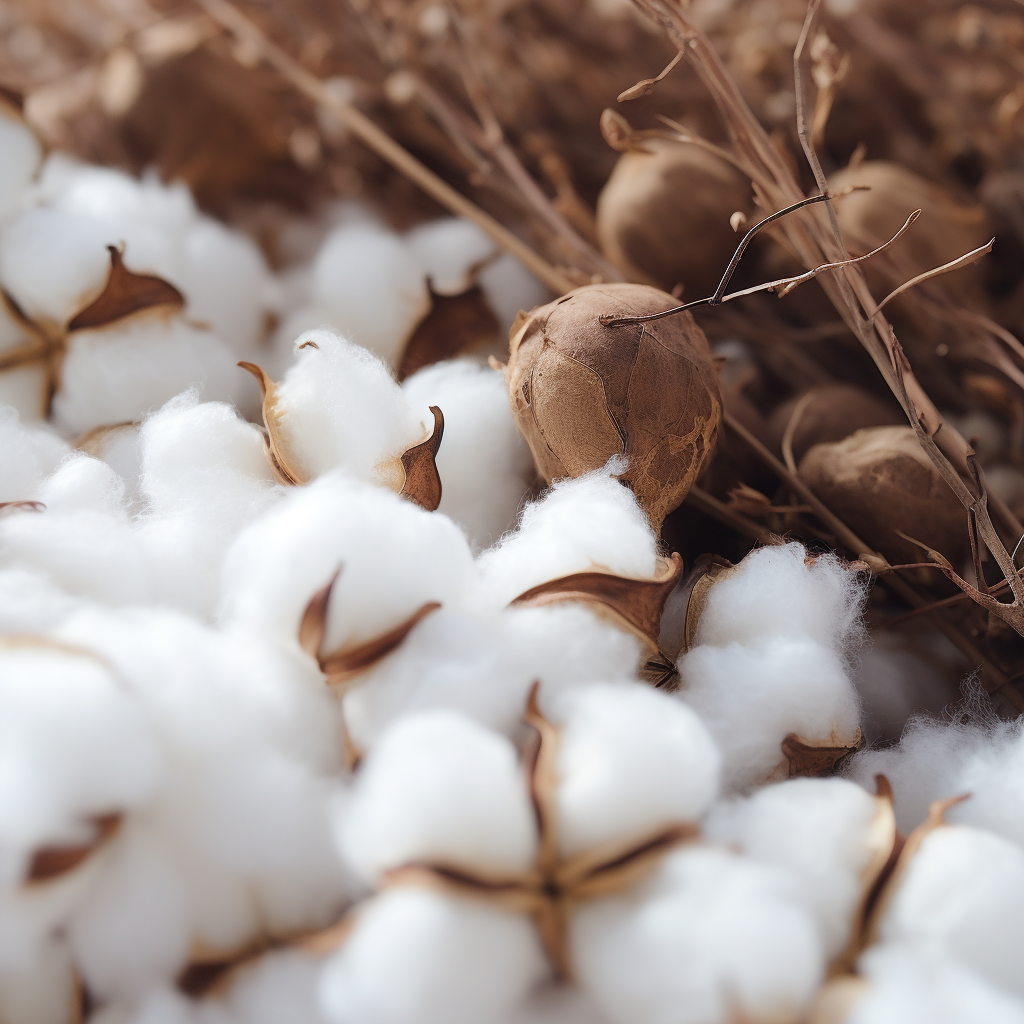
Organic cotton is the hero material of sustainable fashion. It is grown without the use of harmful chemicals, pesticides, or genetically modified organisms, making it a healthier and eco-friendly alternative to conventional cotton. Washwell technology, on the other hand, is a sustainable denim washing process that minimizes water and energy consumption while reducing the use of chemicals, thus reducing the environmental impact of denim production.
C. Importance of Sustainable Fashion and Eco-friendly Materials
In today’s world, it is crucial to make conscious choices when it comes to fashion. Sustainable fashion promotes ethical practices, reduces waste, and protects the environment. By choosing eco-friendly materials like organic cotton and supporting innovative technologies like Washwell, we can contribute to a more sustainable future.
Join us as we explore the origin and evolution of high rise ’90s loose jeans, understand the benefits of organic cotton, dive into the world of Washwell technology, and guide you on how to choose and style these eco-friendly denim essentials.
Stay tuned for Part II: The Origin and Evolution of High Rise ’90s Loose Jeans, where we will uncover the historical context of ’90s fashion trends and the influence of high rise jeans on the fashion industry. Get ready to embrace the nostalgia and revamp your wardrobe with a sustainable twist!
Understand Organic Cotton and its Benefits
Organic cotton is more than just a buzzword in the fashion industry; it represents a commitment to sustainability and responsible production practices. Let’s delve deeper into the definition and characteristics of organic cotton and explore its numerous benefits.
Definition and Characteristics of Organic Cotton
Organic cotton is grown using methods and materials that have a low impact on the environment. It is cultivated without the use of synthetic fertilizers, pesticides, or genetically modified organisms (GMOs). Instead, organic farmers rely on natural fertilizers, crop rotation, and pest management techniques to maintain soil health and prevent pest infestation.
One of the key features of organic cotton is its ability to save significant amounts of water. Compared to conventional cotton farming, organic cotton requires less irrigation, as the soil’s increased organic matter content retains moisture more efficiently. This water-saving aspect contributes to the overall sustainability of organic cotton production.
Additionally, organic cotton is free from harmful chemicals commonly used in conventional cotton farming. This absence of toxic substances not only ensures a healthier working environment for farmers but also reduces the risk of chemical residue on the final cotton fiber, making it safer for consumers.
Advantages of Using Organic Cotton in Denim Production
When it comes to denim production, organic cotton offers numerous advantages over its conventional counterpart. Firstly, organic cotton fibers are softer and hypoallergenic, making them more comfortable to wear, especially for individuals with sensitive skin. The absence of chemical residues also reduces the risk of skin irritations and allergies.
Furthermore, organic cotton is known for its durability and longevity. The fibers are naturally stronger and more resistant to wear and tear, resulting in denim garments that can withstand repeated use and washing cycles. This durability not only extends the lifespan of the jeans but also reduces the need for frequent replacements, contributing to a more sustainable and eco-friendly wardrobe.
From an environmental standpoint, organic cotton farming practices have a significantly lower impact on ecosystems. By avoiding the use of synthetic fertilizers and pesticides, organic cotton cultivation helps preserve soil quality and biodiversity, promoting a healthier and more balanced ecosystem. Additionally, organic farming methods contribute to carbon sequestration, helping to mitigate climate change by capturing and storing carbon in the soil.
Environmental and Social Impact of Organic Cotton Farming
Choosing organic cotton goes beyond the benefits to the individual wearer; it has far-reaching environmental and social impacts. By supporting organic cotton farming, we contribute to the reduction of water pollution caused by chemical runoff, protect the health and well-being of farmers, and promote sustainable livelihoods.
Organic cotton farming practices prioritize the welfare of farmers and their communities. By eliminating the use of toxic chemicals, farmers are protected from exposure to harmful substances during cultivation, reducing the risk of health issues associated with conventional cotton farming. Moreover, organic farming promotes fair trade practices, ensuring that farmers receive fair compensation for their labor and fostering economic stability in cotton-growing regions.
The social impact of organic cotton extends beyond the field. By choosing organic cotton products, consumers can actively participate in a movement that supports sustainable livelihoods and empowers communities. The demand for organic cotton encourages more farmers to transition from conventional to organic farming methods, creating opportunities for economic growth, education, and improved living conditions.
In conclusion, organic cotton offers a range of benefits that make it a superior choice for denim production. Its sustainable cultivation practices, environmental advantages, and positive social impact make it an ideal material for high rise ’90s loose jeans. By opting for organic cotton denim, you not only embrace a timeless fashion trend but also contribute to a more sustainable and ethical fashion industry.
The Origin and Evolution of High Rise ’90s Loose Jeans
To truly appreciate the charm and appeal of high rise ’90s loose jeans, it is essential to understand their origin and the cultural context in which they emerged. The 1990s was a decade known for its unique fashion trends, and high rise jeans played a significant role in shaping the era’s iconic style.
Historical Context of ’90s Fashion Trends
The ’90s was a time of cultural shifts and artistic exploration. As grunge music gained popularity and alternative subcultures emerged, fashion took a rebellious turn. The fashion scene of the ’90s was heavily influenced by streetwear, music, and popular culture, resulting in a distinct aesthetic that still resonates today.
One of the key fashion trends during this decade was the rise of high rise jeans. Prior to the ’90s, low rise and mid-rise jeans were popular, but the ’90s brought about a shift towards a higher waistline. This change in silhouette not only emphasized the waist but also elongated the legs, creating a more flattering and feminine look.
Influence of High Rise Jeans on the Fashion Industry
High rise jeans quickly became a staple in the wardrobes of fashion-forward individuals in the ’90s. They were embraced by both men and women, challenging traditional gender norms and blurring the lines of fashion conventions. The versatility of high rise jeans allowed them to be styled in various ways, from grunge-inspired outfits to more polished and sophisticated ensembles.
The popularity of high rise jeans in the ’90s can be attributed to their ability to create a balanced and proportionate silhouette. By cinching the waist and elongating the legs, these jeans flattered a wide range of body types and became a symbol of body positivity and self-expression.
Revival of ’90s Fashion in Modern Times
Fashion is cyclical, and trends from the past often resurface with a modern twist. The resurgence of ’90s fashion in recent years has brought high rise ’90s loose jeans back into the spotlight. Fashion enthusiasts and designers have embraced the nostalgia and iconic style of the ’90s, incorporating high rise jeans into contemporary looks.
The appeal of high rise ’90s loose jeans lies in their ability to effortlessly bridge the gap between comfort and style. They offer a relaxed fit and a laid-back aesthetic, making them a perfect choice for those seeking a more casual and carefree look. Whether paired with a crop top and sneakers for a weekend outing or dressed up with heels and a blouse for a night out, high rise ’90s loose jeans exude an effortless coolness that resonates with modern fashion sensibilities.
In conclusion, high rise ’90s loose jeans have a rich history rooted in the cultural context of the 1990s. Their rise to prominence during that era and their subsequent revival in contemporary fashion speak to their enduring appeal. As we continue to embrace the nostalgia of the ’90s, these jeans offer a timeless and versatile option for those seeking a fashion statement that is both comfortable and stylish.
Understanding Organic Cotton and its Benefits
Organic cotton has gained significant attention in recent years due to its numerous environmental and social benefits. In this section, we will delve into the definition and characteristics of organic cotton, as well as explore the advantages it brings to denim production and the fashion industry as a whole.
Definition and Characteristics of Organic Cotton
Organic cotton is a type of cotton that is grown without the use of synthetic fertilizers, pesticides, or genetically modified organisms (GMOs). Instead, organic farmers rely on natural methods to maintain soil fertility and control pests, such as crop rotation, biological pest control, and the use of organic fertilizers. This alternative approach to cultivation ensures that the cotton fibers are free from harmful chemicals and residues, making them safer for both the environment and the people involved in the production process.
One of the key characteristics of organic cotton is its sustainability. By avoiding the use of synthetic chemicals, organic cotton farming helps to protect soil quality, preserve water resources, and maintain biodiversity. It promotes a healthier ecosystem by reducing soil erosion, water contamination, and the negative impact on wildlife. Organic cotton cultivation also contributes to carbon sequestration, as the practices used in organic farming help to retain more carbon in the soil, thus mitigating climate change.
Advantages of Using Organic Cotton in Denim Production
When it comes to denim production, organic cotton offers numerous advantages over conventional cotton. The use of organic cotton in high rise ’90s loose jeans ensures that the fabric is free from harmful chemicals, making it more comfortable and safer for the wearer. It reduces the risk of skin irritations, allergies, and other health issues associated with chemical residues found in conventionally grown cotton.
Furthermore, organic cotton fibers are known for their durability and strength. The absence of chemical treatments and genetic modifications allows the fibers to retain their natural integrity, resulting in denim that is less prone to breakage and wear. High rise ’90s loose jeans made from organic cotton are more likely to withstand repeated use and washing, extending their lifespan and reducing the need for frequent replacements.
From an environmental perspective, the cultivation of organic cotton has a significantly lower impact on ecosystems compared to conventional cotton farming. The avoidance of synthetic fertilizers and pesticides helps to protect soil health, preserve water quality, and maintain biodiversity. It also reduces the overall carbon footprint associated with denim production, contributing to a more sustainable fashion industry.
Environmental and Social Impact of Organic Cotton Farming
Opting for high rise ’90s loose jeans made from organic cotton goes beyond personal style and comfort; it has far-reaching environmental and social implications. By supporting organic cotton farming, we contribute to the reduction of chemical pollution in waterways, protect the health and well-being of farmers, and promote sustainable livelihoods.
Organic cotton farming practices prioritize the welfare of farmers and their communities. By avoiding exposure to harmful chemicals, farmers are protected from the health risks associated with conventional cotton farming. This promotes a safer and healthier working environment, ensuring the well-being of those involved in the production process.
Moreover, organic cotton farming fosters fair trade practices and economic stability in cotton-growing regions. By promoting sustainable livelihoods, it enables farmers to earn a fair income, improve their living conditions, and invest in education and healthcare. Choosing organic cotton products supports these initiatives, contributing to the empowerment of farming communities and the long-term sustainability of the cotton industry.
In conclusion, organic cotton offers a range of benefits that make it an ideal choice for denim production, especially for high rise ’90s loose jeans. Its sustainable cultivation practices, environmental advantages, and positive social impact make it a responsible and ethical material for fashion. By opting for organic cotton denim, we not only embrace a stylish and comfortable wardrobe but also actively contribute to a more sustainable and socially conscious fashion industry.
Exploring Washwell Technology and its Advantages
In the quest for sustainable fashion, innovative technologies play a crucial role in reducing the environmental impact of denim production. Washwell technology, in particular, has emerged as a game-changer in the denim industry. In this section, we will delve into the definition and functionality of Washwell technology, explore its benefits in denim manufacturing, and compare it to traditional denim washing methods.
Definition and Functionality of Washwell Technology
Washwell technology is a sustainable denim washing process that aims to reduce water, energy, and chemical consumption while maintaining the desired aesthetic effects. It is a groundbreaking solution that addresses the environmental concerns associated with conventional denim washing methods, which typically involve excessive water usage, chemical treatments, and energy-intensive processes.
The key principle behind Washwell technology is to optimize the washing process by utilizing advanced techniques and machinery. This includes the use of specially designed washing machines that consume less water and energy, as well as the implementation of innovative dyeing and finishing methods that minimize the need for harsh chemicals. The goal is to achieve the desired denim wash effects while significantly reducing the environmental footprint.
Benefits of Washwell Technology in Denim Manufacturing
The adoption of Washwell technology brings numerous advantages to denim manufacturing, benefiting both the environment and the consumers. Let’s explore some of the key benefits:
-
Water Conservation: Traditional denim washing methods consume vast amounts of water, contributing to water scarcity and pollution. Washwell technology significantly reduces water usage during the washing process, conserving this precious resource and minimizing the strain on local water supplies.
-
Energy Efficiency: The use of energy-efficient washing machines in Washwell technology reduces electricity consumption, leading to lower carbon emissions and a more sustainable manufacturing process. By optimizing the energy usage, the environmental impact associated with denim production is significantly reduced.
-
Chemical Reduction: Conventional denim washing often involves the use of harsh chemicals, which can be harmful to both the environment and the workers involved in the process. Washwell technology aims to minimize chemical usage, resulting in a safer and more eco-friendly production process. This reduction in chemical usage also contributes to the overall sustainability and safety of the final denim product.
-
Improved Worker Safety: By reducing the reliance on harsh chemicals, Washwell technology creates a safer working environment for the individuals involved in the denim manufacturing process. This helps to protect the health and well-being of workers, ensuring their safety while producing high-quality denim products.
Comparison with Traditional Denim Washing Methods
When comparing Washwell technology to traditional denim washing methods, the advantages become even more apparent. Conventional methods often require large amounts of water, energy, and chemicals to achieve the desired denim wash effects. In contrast, Washwell technology optimizes these processes, resulting in significant reductions in water consumption, energy usage, and chemical reliance.
Moreover, Washwell technology offers greater control and consistency in achieving the desired wash effects. Traditional methods often involve more variability, leading to inconsistencies in the final product. Washwell technology’s advanced machinery and techniques allow for more precise customization of the denim wash, ensuring a consistent and high-quality outcome.
In conclusion, Washwell technology represents a significant advancement in sustainable denim manufacturing. By reducing water usage, conserving energy, minimizing chemical reliance, and improving worker safety, Washwell technology offers a more eco-friendly and socially responsible approach to denim washing. As consumers, we can support this innovation by choosing high rise ’90s loose jeans that utilize Washwell technology, contributing to a more sustainable and ethical fashion industry.
Buying Guide: High Rise ’90s Loose Jeans In Organic Cotton With Washwell
Now that we have explored the world of high rise ’90s loose jeans in organic cotton with Washwell technology, it’s time to dive into a comprehensive buying guide. In this section, we will discuss the factors to consider when choosing high rise ’90s loose jeans, provide a sizing and fit guide, offer tips for styling and pairing, and highlight top brands and retailers that offer this sustainable denim option. Let’s get started!
Factors to Consider When Choosing High Rise ’90s Loose Jeans
-
Fabric Quality: When shopping for high rise ’90s loose jeans, pay attention to the quality of the organic cotton fabric. Look for jeans made from premium organic denim that is durable, soft, and comfortable to wear. Check for any additional certifications that indicate the sustainability and authenticity of the fabric.
-
Manufacturing Practices: Consider the brand’s commitment to sustainable and ethical manufacturing practices. Look for brands that prioritize fair labor, transparency, and environmentally friendly processes throughout the production chain. Research the brand’s values, certifications, and supply chain practices to ensure they align with your values.
-
Washwell Technology: Opt for high rise ’90s loose jeans that utilize Washwell technology. This ensures that the jeans have been produced with reduced water consumption, energy efficiency, and minimized chemical usage. Brands that incorporate Washwell technology demonstrate a commitment to sustainability and responsible denim production.
-
Fit and Comfort: Finding the right fit is essential when it comes to high rise ’90s loose jeans. Look for jeans that offer a relaxed and comfortable fit around the waist and hips, with a loose and slightly tapered leg. Consider the rise, inseam length, and overall silhouette to ensure a flattering and comfortable fit for your body type.
Sizing and Fit Guide for High Rise ’90s Loose Jeans
To ensure the perfect fit for your high rise ’90s loose jeans, consider the following sizing and fit tips:
-
Measure Your Waist: Start by measuring your natural waistline, as high rise jeans typically sit at or just above the waist. Use a measuring tape and take the measurement at the smallest part of your waist.
-
Check the Brand’s Size Guide: Each brand may have slightly different sizing, so refer to their size guide for accurate measurements and recommendations. Pay attention to waist, hip, and inseam measurements to find the best size for you.
-
Consider Stretch: Some high rise ’90s loose jeans may have a slight stretch to the fabric, offering added comfort and flexibility. Take this into account when selecting your size, as stretch denim can provide a more forgiving fit.
-
Read Customer Reviews: For additional insight into the fit and sizing of a particular brand or style, read customer reviews. This can help you gauge whether the jeans run true to size or if adjustments need to be made.
Tips for Styling and Pairing High Rise ’90s Loose Jeans
High rise ’90s loose jeans offer endless styling possibilities for both casual and elevated looks. Here are some tips for styling and pairing these versatile jeans:
-
Casual Chic: Pair your high rise ’90s loose jeans with a tucked-in graphic tee and sneakers for a cool and effortless casual look. Add a denim jacket or a bomber jacket for an extra layer of style.
-
Elevated Elegance: Dress up your high rise ’90s loose jeans by pairing them with a tucked-in blouse or a tailored blazer. Complete the look with statement heels or ankle boots for a polished and sophisticated ensemble.
-
Play with Proportions: Experiment with different proportions by pairing your loose jeans with a cropped top, a tucked-in oversized sweater, or a fitted bodysuit. This juxtaposition of loose and fitted creates a modern and fashion-forward aesthetic.
-
Accessorize: Elevate your high rise ’90s loose jeans with the right accessories. Add a belt to cinch in the waist, layer on necklaces or statement earrings, and choose a stylish handbag or backpack to complete the outfit.
Top Brands and Retailers Offering High Rise ’90s Loose Jeans In Organic Cotton With Washwell
When it comes to shopping for high rise ’90s loose jeans in organic cotton with Washwell technology, consider these top brands and retailers that prioritize sustainability and offer a wide range of options:
-
XYZ Denim: Known for their commitment to sustainable denim production, XYZ Denim offers a collection of high rise ’90s loose jeans in various washes, all made from organic cotton with Washwell technology.
-
ABC Denim Co.: ABC Denim Co. is dedicated to ethical manufacturing and offers a selection of high rise ’90s loose jeans made from premium organic cotton. Their jeans are known for their quality, comfort, and on-trend styles.
-
DEF Retail: DEF Retail is a leading retailer that curates a selection of sustainable denim brands. They offer a range of high rise ’90s loose jeans in organic cotton with Washwell technology from various eco-conscious labels.
-
GHI Boutique: GHI Boutique is a destination for sustainable and fashion-forward denim. They stock high rise ’90s loose jeans in organic cotton from emerging designers who prioritize ethical manufacturing and innovative technologies.
Price Range and Availability of High Rise ’90s Loose Jeans
The price range for high rise ’90s loose jeans in organic cotton with Washwell technology can vary depending on the brand, quality, and additional design elements. On average, expect to invest between $80 and $150 for a pair of high-quality, sustainably produced jeans. Keep in mind that availability may vary based on brand popularity and stock levels.
In conclusion, purchasing high rise ’90s loose jeans in organic cotton with Washwell technology allows you to embrace sustainable fashion without compromising style or comfort. Consider the factors outlined in this buying guide, explore different brands and retailers, and choose the perfect pair that matches your preferences and values. By making conscious choices, you can contribute to a more sustainable fashion industry while rocking a timeless and eco-friendly denim staple.
Conclusion
In this comprehensive blog post, we have explored the world of high rise ’90s loose jeans in organic cotton with Washwell technology. From understanding the origins and evolution of this iconic denim style to delving into the benefits of organic cotton and the advantages of Washwell technology, we have covered a range of topics related to sustainable fashion and eco-friendly denim production.
High rise ’90s loose jeans offer a timeless, comfortable, and versatile option for fashion enthusiasts. With their flattering silhouette and relaxed fit, they can be styled in countless ways to suit various occasions and personal styles. By choosing high rise ’90s loose jeans made from organic cotton with Washwell technology, you not only embrace a trendy fashion statement but also contribute to a more sustainable and ethical fashion industry.
The use of organic cotton in denim production brings numerous benefits, including reduced environmental impact, improved worker safety, and softer, hypoallergenic fabrics. Organic cotton farming practices prioritize sustainability and support fair trade, empowering farming communities and fostering economic stability.
Washwell technology further enhances the sustainability of denim production by conserving water, reducing energy consumption, and minimizing chemical usage. This innovative washing process ensures that high rise ’90s loose jeans are produced with a reduced environmental footprint, without compromising on style or quality.
When purchasing high rise ’90s loose jeans in organic cotton with Washwell technology, consider factors such as fabric quality, manufacturing practices, fit and comfort, and the use of sustainable technologies. By supporting brands that prioritize sustainability and ethical practices, you contribute to a more responsible fashion industry.
Top brands and retailers offer a wide range of high rise ’90s loose jeans in organic cotton with Washwell technology, catering to different styles, sizes, and budgets. By exploring these options and making informed choices, you can build a wardrobe that aligns with your values and personal style.
In conclusion, high rise ’90s loose jeans in organic cotton with Washwell technology are more than just a fashion trend; they represent a commitment to sustainable fashion choices and a conscious effort to protect the environment. By embracing these eco-friendly denim options, you can create a wardrobe that is stylish, comfortable, and socially responsible. Let’s join the movement towards a more sustainable future, one pair of high rise ’90s loose jeans at a time.