Welcome to our blog post series on women’s health and safety! In this installment, we will be delving into the world of tampons and shedding light on the ingredients found in L Organic Cotton Tampons. As women, it is crucial that we make informed decisions about the products we use on our bodies, especially when it comes to intimate care. Understanding the composition of tampons is not only essential for our well-being, but it also empowers us to make choices that align with our values and priorities.
Section 1: Introduction to L Organic Cotton Tampons
1.1 Overview of L Organic Cotton Tampons
L Organic Cotton Tampons have gained popularity among women seeking a more natural and sustainable option for their menstrual hygiene needs. But what makes these tampons stand out? We will explore their unique features and benefits.
1.2 Importance of Using Organic Cotton Tampons
Using organic cotton tampons ensures that harmful chemicals, pesticides, and synthetic materials are kept away from our bodies. We will discuss why organic cotton is a superior choice for women’s health and the environment.
1.3 Brief History and Background of L Organic Cotton Tampons Brand
Discover the story behind the L Organic Cotton Tampons brand. We will explore their commitment to providing safe and eco-friendly products and how they have become a trusted name among women.
1.4 Why Understanding Tampon Ingredients is Crucial for Women’s Health
It is vital to be aware of the ingredients used in tampons to avoid potential health risks and allergic reactions. We will discuss why educating ourselves about tampon ingredients is essential for safeguarding our well-being.
Join us in the next section as we dive deeper into the ingredients found in L Organic Cotton Tampons and unravel the truth behind their composition.
Note: This introduction sets the stage for the blog post, highlighting the importance of understanding tampon ingredients for women’s health and introducing L Organic Cotton Tampons as the focus of our discussion. It sets the tone for the informative and empowering content that follows, encouraging readers to stay tuned for valuable insights on safe and sustainable menstrual care.
L Organic Cotton Tampons Ingredients
Introduction:
Welcome to our exploration of the ingredients found in L Organic Cotton Tampons. As women, it is essential to be aware of what we put into our bodies, especially when it comes to menstrual care products. L Organic Cotton Tampons offer a natural and sustainable alternative, providing women with a safe and eco-friendly option. In this blog post, we will delve into the ingredients used in these tampons, understand the benefits of organic cotton, and address potential health risks associated with non-organic tampon ingredients.
Understanding the Ingredients in L Organic Cotton Tampons:
What is organic cotton?
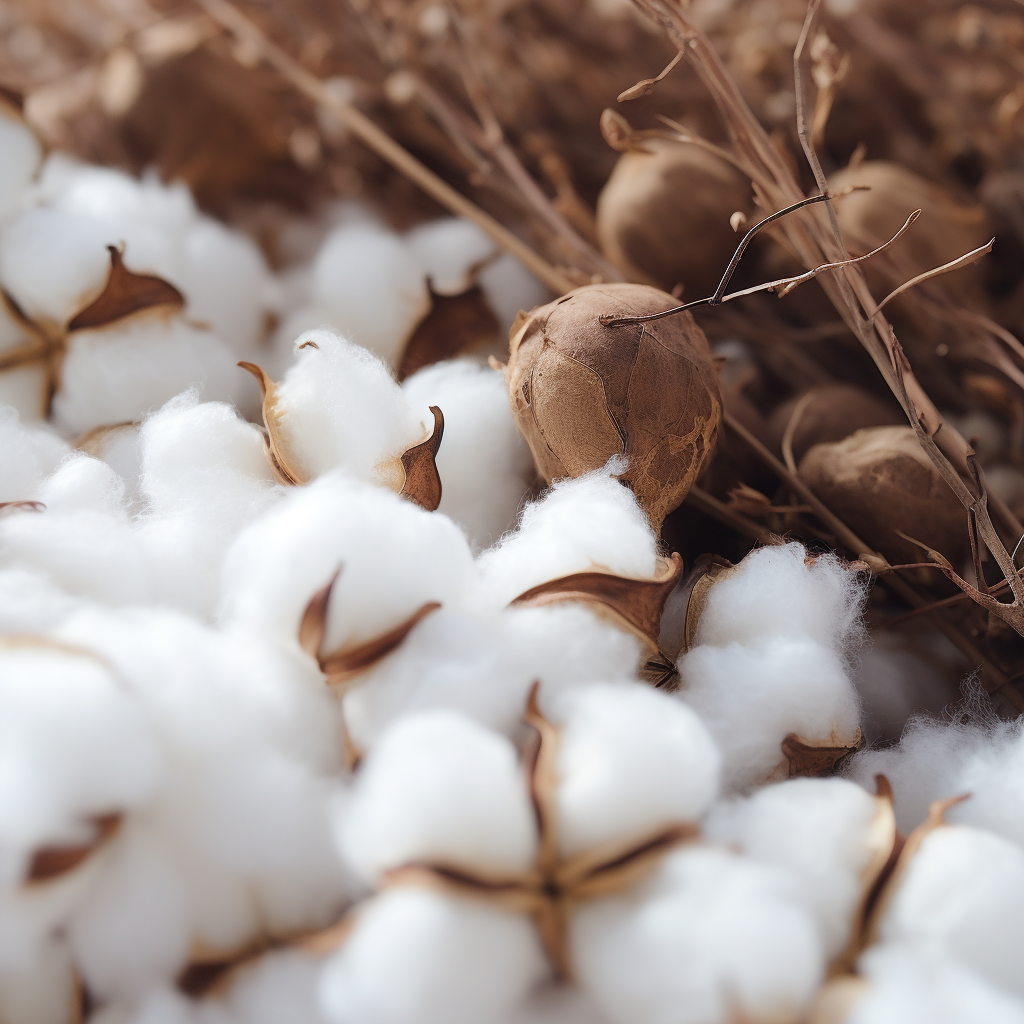
Organic cotton is grown without the use of synthetic pesticides, herbicides, or genetically modified organisms (GMOs). It is cultivated using natural and sustainable farming practices that prioritize soil health, biodiversity, and water conservation. By opting for L Organic Cotton Tampons, you are choosing a product that supports organic farming and reduces your exposure to potentially harmful chemicals.
Benefits of using organic cotton in tampons:
Organic cotton tampons offer several advantages over conventional tampons. Firstly, they reduce the risk of exposure to toxic chemicals found in pesticide-treated cotton. Studies have shown that conventionally grown cotton may contain traces of pesticides, which can be absorbed by our bodies during menstruation. By switching to organic cotton tampons, you can minimize this exposure and promote better reproductive health.
The difference between organic and conventional tampons:
Conventional tampons often contain synthetic materials such as rayon, polyester, and viscose, which are derived from non-renewable resources. These materials may also be treated with chlorine bleach, fragrances, and dyes, which can cause irritation and allergic reactions. Conversely, L Organic Cotton Tampons are made from 100% organic cotton, providing a natural and biodegradable alternative.
Certifications and standards for organic tampons:
It is important to look for tampons that are certified organic by reputable organizations such as the Global Organic Textile Standard (GOTS) or the Organic Content Standard (OCS). These certifications ensure that the tampons meet strict criteria for organic production, including the use of organic cotton and adherence to sustainable manufacturing practices. L Organic Cotton Tampons proudly display these certifications, giving you peace of mind about their authenticity and quality.
Potential health risks associated with non-organic tampon ingredients:
Conventional tampons often contain synthetic additives, fragrances, and dyes, which can introduce potentially harmful chemicals into the vaginal area. Some of these chemicals, such as dioxins and phthalates, have been linked to hormone disruption, reproductive issues, and even cancer. By choosing L Organic Cotton Tampons, you can avoid these risks and prioritize your well-being.
Understanding the Ingredients in L Organic Cotton Tampons
What is organic cotton?
Organic cotton is a natural fiber that is grown without the use of synthetic pesticides, herbicides, or genetically modified organisms (GMOs). It is cultivated using sustainable farming practices that prioritize soil health, biodiversity, and water conservation. Organic cotton is free from harmful chemicals and is biodegradable, making it an eco-friendly choice for women’s hygiene products.
Benefits of using organic cotton in tampons
When it comes to tampons, the material used is of utmost importance. Organic cotton tampons offer several benefits that contribute to women’s health and the environment. Firstly, organic cotton is hypoallergenic, making it suitable for individuals with sensitive skin or allergies. It is gentle and less likely to cause irritation or discomfort during use.
Additionally, organic cotton tampons are highly absorbent, providing effective protection without compromising on comfort. The natural fibers allow for breathability, reducing the risk of bacterial growth and unpleasant odors. This breathability is particularly important for maintaining a healthy pH balance in the vaginal area.
The difference between organic and conventional tampons
Conventional tampons are often made from synthetic materials such as rayon, polyester, and viscose. These materials are derived from non-renewable resources and can contribute to environmental degradation. Moreover, some conventional tampons may be treated with chlorine bleach, fragrances, and dyes, which can cause skin irritation and allergic reactions.
In contrast, L Organic Cotton Tampons are made from 100% organic cotton, ensuring that no synthetic materials or harmful chemicals come into contact with your body. By choosing organic cotton tampons, you are making a conscious decision to support sustainable agriculture and reduce your environmental footprint.
Certifications and standards for organic tampons
To ensure the authenticity and quality of organic tampons, it is essential to look for trusted certifications and standards. L Organic Cotton Tampons proudly display certifications such as the Global Organic Textile Standard (GOTS) and the Organic Content Standard (OCS). These certifications guarantee that the tampons are made from organic cotton and produced using sustainable and ethical practices.
The GOTS certification, in particular, sets strict criteria for the entire production process, from the sourcing of raw materials to the manufacturing and packaging of the final product. It ensures that the tampons are free from harmful substances and meet high social and environmental standards. By choosing tampons with these certifications, you can trust that you are using a product that prioritizes your health and the well-being of the planet.
Potential health risks associated with non-organic tampon ingredients
Conventional tampons often contain synthetic additives, fragrances, and dyes that can pose potential health risks. One concerning ingredient is dioxins, which can be present in tampons that are bleached with chlorine. Dioxins are toxic chemicals that can accumulate in the body over time and have been linked to various health issues, including reproductive problems and hormone disruption.
Additionally, some conventional tampons may contain phthalates, which are used to enhance fragrance or make the tampon more pliable. Phthalates have been associated with endocrine disruption and adverse effects on reproductive health. By choosing L Organic Cotton Tampons, you can avoid exposure to these potentially harmful substances and prioritize your well-being.
Detailed Analysis of L Organic Cotton Tampon Ingredients
Organic cotton as the primary ingredient
L Organic Cotton Tampons prioritize the use of organic cotton as the primary ingredient. Organic cotton is grown using natural and sustainable farming practices, without the use of synthetic pesticides or genetically modified organisms (GMOs). This ensures that the tampons are free from harmful chemicals and residues that can potentially disrupt the delicate balance of the vaginal area.
Organic cotton is known for its softness, breathability, and absorbency. It allows for better airflow and reduces the risk of moisture buildup, which can contribute to the growth of bacteria or yeast infections. The use of organic cotton in tampons provides a comfortable and reliable option for menstrual care.
Absorbent materials used in L Organic Cotton Tampons
In addition to organic cotton, L Organic Cotton Tampons may also incorporate other absorbent materials to enhance their performance. These materials can include natural plant-based fibers such as bamboo or hemp. The purpose of using these additional fibers is to increase absorbency while maintaining the integrity and comfort of the tampons.
Natural plant-based fibers and their role in tampon composition
Natural plant-based fibers offer several benefits when used in tampons. Bamboo, for example, is highly absorbent and has antimicrobial properties, which can help inhibit the growth of bacteria and reduce the risk of infections. Hemp fibers are known for their strength and durability, making them ideal for tampon construction.
By incorporating these natural plant-based fibers, L Organic Cotton Tampons aim to provide a reliable and effective menstrual care option that is gentle on the body and the environment.
Absorbency-enhancing additives and their impact on tampon performance
L Organic Cotton Tampons may include absorbency-enhancing additives to improve their performance. These additives are carefully selected to ensure they are safe and do not compromise the overall integrity of the tampons. Examples of such additives include natural plant-based superabsorbent polymers (SAPs) or cellulose derivatives. These additives can enhance the tampons’ ability to absorb menstrual fluid without sacrificing comfort.
It is worth noting that L Organic Cotton Tampons prioritize the use of organic cotton and minimize the use of additives to maintain a natural and chemical-free product. However, when additives are used, they are chosen with the utmost consideration for their safety and effectiveness.
Evaluation of fragrance and scent-free options
L Organic Cotton Tampons offer fragrance-free and scent-free options for individuals who may be sensitive to added fragrances or have allergies. Fragrances in tampons can potentially cause irritation, disrupt the natural pH balance of the vagina, and increase the risk of infections. By providing fragrance-free options, L Organic Cotton Tampons prioritize the comfort and well-being of their users.
The focus on providing fragrance-free and scent-free tampons aligns with the brand’s commitment to creating products that are gentle, safe, and suitable for individuals with sensitivities or allergies.
In the next section, we will explore potential contaminants and toxins that can be found in tampons and the importance of understanding their implications for women’s health.
Potential Contaminants and Toxins in Tampons
Overview of potential contaminants in tampons
Tampons, especially those made from non-organic materials, can potentially contain contaminants that pose health risks to women. These contaminants may include residues from pesticides, herbicides, and fertilizers used in conventional cotton farming. Additionally, tampons that undergo bleaching processes may contain dioxins, a group of toxic chemicals that can be harmful to human health. It is crucial to understand these potential contaminants and their implications for women’s well-being.
Dioxins and their presence in tampons
Dioxins are a group of highly toxic chemicals that can be present in tampons that have been bleached with chlorine. Dioxins are persistent organic pollutants that can accumulate in the body over time, primarily through ingestion and absorption. These chemicals have been linked to various adverse health effects, including reproductive issues, hormonal imbalances, immune system disruption, and even an increased risk of certain types of cancer.
It is important to note that the levels of dioxins in tampons are regulated and have significantly decreased in recent years. However, the potential risk still exists, especially for individuals who use tampons regularly over an extended period. By choosing L Organic Cotton Tampons, which are made without chlorine bleaching, you can minimize your exposure to dioxins and prioritize your health.
Synthetic additives and their impact on health
Conventional tampons may contain synthetic additives such as fragrances, dyes, and synthetic fibers. These additives can introduce potentially harmful chemicals into the vaginal area, leading to irritation, allergic reactions, and disruptions in the natural balance of the vaginal microbiome.
Fragrances, in particular, are commonly used in tampons to mask odors. However, these fragrances are often made from a combination of undisclosed chemicals, which can be irritating to sensitive skin and increase the risk of allergic reactions. L Organic Cotton Tampons, on the other hand, do not contain any added fragrances, minimizing the potential for irritation or adverse reactions.
Allergens in tampons and their potential side effects
Certain individuals may have sensitivities or allergies to specific ingredients commonly found in tampons, such as fragrances or synthetic additives. These allergens can cause discomfort, itching, redness, swelling, and in severe cases, even anaphylactic reactions. It is important to be aware of any known allergies and choose tampons that are free from potential allergens.
Regulatory measures and safety standards for tampon ingredients
Regulatory bodies, such as the Food and Drug Administration (FDA) in the United States, have established guidelines and requirements for tampon manufacturers to ensure product safety. However, it is important to note that these regulations may vary across different countries, and not all potential risks associated with tampon ingredients are fully addressed.
As a consumer, it is essential to stay informed, read product labels, and choose tampons from reputable brands like L Organic Cotton Tampons. By selecting tampons that prioritize organic, natural, and chemical-free ingredients, you can make more informed choices and prioritize your health and well-being.
In the next section, we will discuss the safety and health considerations when choosing tampons and provide tips for selecting safe and non-toxic options.
Safety and Health Considerations
Potential health risks associated with tampons and their ingredients
While tampons are a widely used menstrual care product, it is important to be aware of the potential health risks associated with their use. Some of these risks include toxic shock syndrome (TSS), vaginal irritation, and allergic reactions. It is crucial to understand these risks and take steps to minimize them.
TSS is a rare but serious condition associated with the use of tampons. It is caused by the growth of bacteria, most commonly Staphylococcus aureus, which produce toxins that can enter the bloodstream. To reduce the risk of TSS, it is recommended to use tampons with the lowest absorbency necessary and to change them regularly. L Organic Cotton Tampons offer a range of absorbency options to cater to different flow levels, allowing you to choose the appropriate tampon for your needs.
Tips for choosing safe and non-toxic tampons
1. Opt for organic cotton tampons: Choosing tampons made from organic cotton, like L Organic Cotton Tampons, ensures that you are using a product free from potentially harmful chemicals and pesticides. Organic cotton tampons are gentle on the skin, reduce the risk of irritation, and promote better vaginal health.
-
Read product labels: Take the time to read the labels of tampons and familiarize yourself with the ingredients used. Look for tampons that explicitly state they are made from organic cotton and are free from synthetic additives, fragrances, and dyes.
-
Consider your individual needs: Women have different preferences and sensitivities when it comes to menstrual care products. Consider factors such as absorbency, comfort, and any known allergies or sensitivities you may have. L Organic Cotton Tampons offer a range of options to cater to different needs and flow levels.
-
Educate yourself: Stay informed about the latest research and recommendations regarding tampon safety. Keep up to date with any recalls or warnings issued by regulatory bodies and seek guidance from trusted sources such as healthcare professionals or reputable organizations.
Common misconceptions and myths about tampon ingredients
There are several misconceptions and myths surrounding tampons and their ingredients. One common myth is that tampons made from synthetic materials, such as rayon, are more absorbent than organic cotton tampons. In reality, organic cotton tampons can be just as absorbent, if not more so, due to the natural properties of cotton fibers.
Another misconception is that fragrances in tampons are necessary to mask odors. However, the vagina is self-cleaning and has its own natural pH balance. Fragrances can disrupt this balance and potentially lead to irritation or infections. It is important to choose fragrance-free tampons to maintain a healthy vaginal environment.
Additional considerations for women with sensitivities or allergies
Women with sensitivities or allergies may require extra considerations when choosing tampons. It is crucial to avoid tampons that contain potential allergens such as fragrances, dyes, or synthetic additives. L Organic Cotton Tampons offer fragrance-free and hypoallergenic options, providing a safer choice for individuals with sensitivities or allergies.
By taking these safety and health considerations into account and making informed choices, you can prioritize your well-being and ensure a comfortable and safe menstrual experience.
In conclusion, understanding the ingredients in tampons, particularly L Organic Cotton Tampons, empowers women to make informed decisions about their menstrual care. By choosing tampons made from organic cotton and free from potentially harmful additives, you can prioritize your health, support sustainable practices, and promote a safer and more eco-friendly approach to menstrual hygiene.