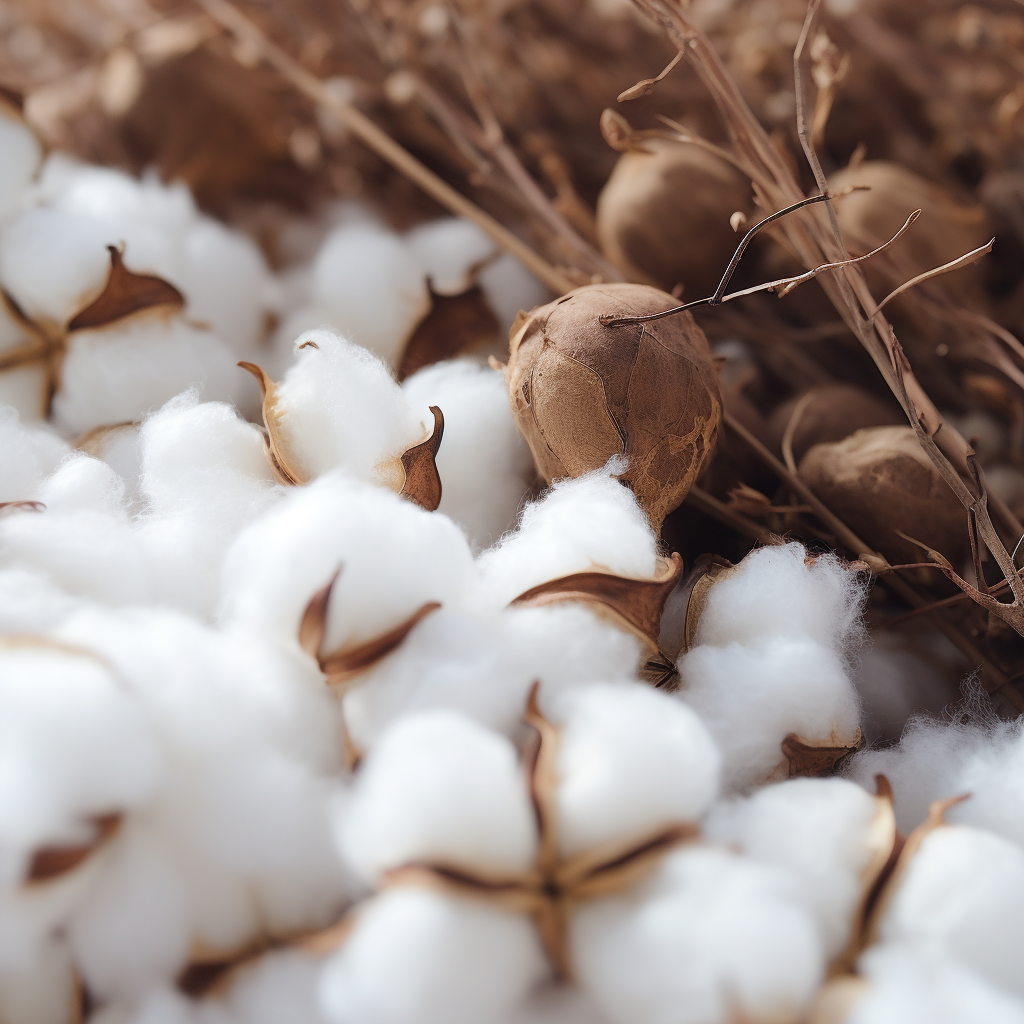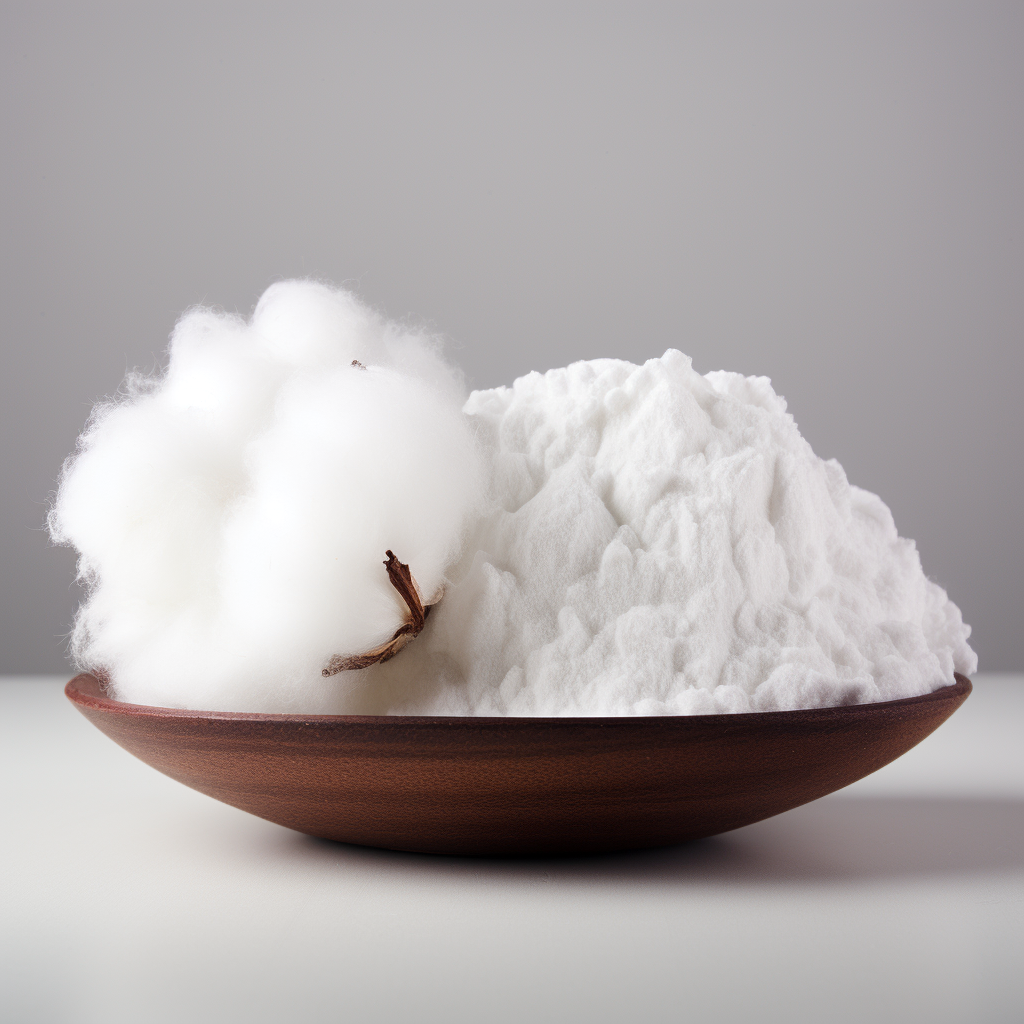
Are you a knitting enthusiast looking to incorporate eco-friendly practices into your crafting projects? If so, then this blog post is perfect for you! In this post, we will delve into the world of organic cotton yarn and explore its many benefits for sustainable knitting projects.
Section 1: Introduction to Organic Cotton Yarn
1.1 What is organic cotton yarn?
Organic cotton yarn is made from cotton that is grown and processed without the use of synthetic chemicals, pesticides, or genetically modified organisms (GMOs). It is a natural and sustainable alternative to conventional cotton yarn.
1.2 Benefits of using organic cotton yarn for knitting
Using organic cotton yarn has numerous benefits. It is hypoallergenic, soft, and breathable, making it perfect for sensitive skin. Additionally, organic cotton yarn is environmentally friendly, as it reduces the negative impact on ecosystems and promotes sustainable farming practices.
1.3 Overview of the environmental impact of conventional cotton production
Conventional cotton production is notorious for its heavy reliance on pesticides, water consumption, and the release of harmful chemicals into the environment. Understanding the environmental impact of conventional cotton will further highlight the importance of choosing organic cotton yarn.
1.4 Introduction to the certification process for organic cotton yarn
Certification processes, such as the Global Organic Textile Standard (GOTS), ensure that organic cotton yarn meets stringent criteria for sustainability and ethical production. We will explore the significance of these certifications and how they guarantee the authenticity of organic cotton yarn.
So, if you’re ready to embark on a journey towards sustainable knitting, join us as we dive into the world of organic cotton yarn. In the following sections, we will explore everything from sourcing and manufacturing organic cotton yarn to its characteristics, types, and tips for knitting with this magical yarn. Get ready to unleash your eco-friendly creativity and discover the wonders of organic cotton yarn for your knitting projects!
Effective Communication and Order Management
When it comes to running a successful business, effective communication and efficient order management are crucial elements that can make or break customer satisfaction and overall productivity. In this section, we will delve into the importance of effective communication within your organization and explore strategies for seamless order management.
Clear and timely communication is essential for smooth operations and customer satisfaction. Within your organization, it is vital to establish clear channels of communication between different departments and team members. This ensures that everyone is on the same page and working towards common goals. Regular team meetings, email updates, and project management tools can help streamline communication and keep everyone informed about order status, inventory updates, and any potential issues or delays.
Additionally, effective communication extends beyond internal interactions. It is equally important to establish open lines of communication with your customers. Providing clear and transparent information about product availability, shipping times, and any updates or changes can help build trust and loyalty. Utilizing various communication channels such as email, phone, and live chat can cater to different customer preferences and ensure prompt responses to inquiries or concerns.
Order management plays a significant role in maintaining customer satisfaction and optimizing operational efficiency. From the moment an order is placed to its fulfillment and delivery, a well-defined and streamlined order management process is essential. This involves accurately capturing customer information, tracking inventory levels, managing logistics, and ensuring timely delivery.
Implementing an order management system can greatly simplify and automate these processes. From order entry and inventory management to tracking and fulfillment, an integrated system can help streamline operations, reduce errors, and provide real-time updates on order status. This not only enhances customer satisfaction but also enables you to make data-driven decisions to optimize your supply chain.
Furthermore, effective order management involves careful coordination with suppliers and partners. Maintaining strong relationships with suppliers, ensuring timely deliveries of raw materials or products, and managing inventory levels are critical aspects of order management. By fostering open lines of communication and establishing mutually beneficial partnerships, you can minimize disruptions, reduce lead times, and meet customer demands efficiently.
In conclusion, effective communication and order management are vital components of a successful business. Establishing clear channels of communication within your organization and with your customers, along with implementing an efficient order management system, can streamline operations, improve customer satisfaction, and drive overall business growth. By prioritizing effective communication and embracing efficient order management practices, you set the foundation for a thriving and customer-centric business.
Sourcing and Manufacturing Organic Cotton Yarn
In this section, we will dive into the process of sourcing and manufacturing organic cotton yarn, shedding light on the sustainable practices employed in its production. Understanding the journey of organic cotton yarn from farm to skein will deepen our appreciation for this eco-friendly fiber.
Organic cotton farming practices are centered around promoting soil health and biodiversity while minimizing the use of synthetic chemicals and pesticides. Farmers who cultivate organic cotton follow strict guidelines and standards set by certification bodies such as the Global Organic Textile Standard (GOTS). These guidelines prohibit the use of genetically modified seeds, synthetic fertilizers, and harmful pesticides, ensuring that the cotton is grown in a sustainable and environmentally friendly manner.
Organic cotton is primarily cultivated in regions across the globe, with notable producers including India, the United States, Turkey, and China. These regions offer favorable climates for cotton cultivation, allowing farmers to grow high-quality organic cotton fibers. By supporting organic cotton farmers, we contribute to the preservation of biodiversity, reduction of soil erosion, and the promotion of healthier ecosystems.
Once organically grown cotton is harvested, it undergoes a meticulous processing phase to transform it into yarn suitable for knitting. During the processing stage, the cotton fibers are cleaned, carded, and spun into yarn. The cleaning process involves removing impurities, such as plant material and debris, to ensure the yarn is of the highest quality.
Organic cotton yarn can be processed using both traditional and modern methods. Traditional methods involve hand-spinning and hand-dyeing, preserving the artisanal craftsmanship and creating unique variations in the yarn. On the other hand, modern methods utilize advanced spinning machines and techniques, ensuring consistency in the yarn’s thickness and texture.
One of the key aspects of organic cotton yarn manufacturing is the dyeing process. While conventional cotton often undergoes chemical dyeing processes, organic cotton yarn is dyed using natural and low-impact dyes. These dyes are derived from plants, fruits, or minerals, minimizing the environmental impact and reducing the exposure to harmful chemicals. As a result, organic cotton yarn is available in a wide range of natural colors, offering knitters a beautiful and sustainable palette to work with.
It is worth noting that the manufacturing process of organic cotton yarn also emphasizes fair trade and ethical practices. By supporting fair trade initiatives, we contribute to the well-being of farmers and workers involved in the cotton industry, ensuring they receive fair wages and safe working conditions.
In conclusion, sourcing and manufacturing organic cotton yarn involves a careful and sustainable process that begins with organic farming practices and extends to the processing and dyeing stages. By supporting organic cotton farmers and manufacturers, we contribute to a healthier environment and promote ethical practices within the textile industry. Knitting with organic cotton yarn not only brings joy and creativity but also allows us to make a positive impact on the planet and the lives of those involved in its production.
Characteristics and Types of Organic Cotton Yarn
Organic cotton yarn comes in a variety of characteristics and types, each offering unique qualities that cater to different knitting projects and preferences. In this section, we will explore the various aspects of organic cotton yarn, including its weights, colors, and specialized types.
One of the key considerations when choosing organic cotton yarn is its weight or thickness. Organic cotton yarn is available in a range of weights, from lightweight and fine yarn suitable for delicate projects to bulky and chunky yarn for cozy winter knits. The weight of the yarn determines the gauge or tension required for a particular project, so it is essential to select the appropriate weight based on the desired outcome.
In terms of color options, organic cotton yarn offers a beautiful array of natural shades. Since organic cotton is grown without the use of synthetic dyes, it retains its natural color, ranging from creamy whites to earthy browns. These natural hues provide a rustic and organic feel to knitted items, adding a touch of natural beauty to your creations. Additionally, organic cotton yarn can also be dyed using low-impact and plant-based dyes, offering a wider range of vibrant colors while maintaining its eco-friendly qualities.
Beyond the weight and color variations, there are specialized types of organic cotton yarn that offer distinct textures and effects. One such type is mercerized cotton yarn, which undergoes a treatment process that enhances its luster, strength, and dye absorption. Mercerized organic cotton yarn has a smooth and silky feel, making it ideal for creating projects with a luxurious sheen.
Another specialized type of organic cotton yarn is brushed cotton yarn. This yarn is treated with a brushing technique that creates a soft and fluffy texture, similar to the plushness of mohair. Brushed organic cotton yarn is perfect for cozy and warm projects, such as blankets or winter accessories.
Additionally, organic cotton yarn can also come in slub variations. Slub yarn is characterized by its irregular thickness and texture, with intermittent thicker sections or slubs throughout the yarn. This unique texture adds depth and visual interest to knitted items, bringing a textured and organic look to your projects.
The versatility of organic cotton yarn allows knitters to explore and experiment with different weights, colors, and specialized types to achieve their desired aesthetic and texture. Whether you’re looking for a delicate and lightweight yarn for intricate lacework or a chunky and textured yarn for a cozy sweater, organic cotton yarn offers a wide range of options to suit your knitting needs.
In conclusion, the characteristics and types of organic cotton yarn provide knitters with a diverse range of options to choose from. From different weights and colors to specialized types like mercerized, brushed, and slub yarn, organic cotton yarn offers endless possibilities for creating unique and sustainable knitted items. So, unleash your creativity and dive into the world of organic cotton yarn, where beauty, sustainability, and craftsmanship intertwine.
Using Organic Cotton Yarn in Knitting Projects
Now that we have explored the characteristics and types of organic cotton yarn, let’s delve into the exciting world of using this sustainable fiber in your knitting projects. In this section, we will discuss the suitability of organic cotton yarn for various knitting projects, provide tips for knitting with this yarn, and even showcase some patterns and designs specifically created for organic cotton yarn.
Organic cotton yarn is highly versatile and can be used for a wide range of knitting projects. Its softness and breathability make it ideal for creating garments such as lightweight summer tops, cozy cardigans, or baby clothes. The natural properties of organic cotton yarn make it comfortable to wear against the skin, even for those with sensitive skin or allergies.
When working with organic cotton yarn, it is important to consider its characteristics to ensure successful and enjoyable knitting. Due to its lack of elasticity compared to other fibers like wool, organic cotton yarn may require different knitting techniques and considerations. It is recommended to use larger needle sizes to achieve the desired gauge and to create more drape in your projects.
Additionally, organic cotton yarn has a tendency to stretch, so it is advisable to incorporate stitch patterns that provide structure and stability. Patterns that include ribbing, cables, or textured stitches can help prevent excessive stretching and create a more well-defined finished piece.
To enhance the durability and shape retention of your knitted items, it is recommended to block your projects made with organic cotton yarn. Blocking involves wetting the finished piece, shaping it to the desired dimensions, and allowing it to dry flat. This process helps even out stitches, relax the yarn, and give your project a polished and professional look.
When it comes to selecting patterns and designs for organic cotton yarn, there are numerous options available. Many designers and pattern creators specifically design their projects with organic cotton yarn in mind, taking into consideration its unique qualities and drape. From intricate lace shawls to textured sweaters and accessories, there is a wide variety of patterns tailored to showcase the beauty of organic cotton yarn.
If you’re looking for inspiration, there are countless resources available online, including pattern databases and knitting communities. These platforms offer a wealth of patterns, tips, and insights from experienced knitters who have successfully used organic cotton yarn in their projects. By exploring these resources, you can find the perfect pattern that aligns with your skill level and desired outcome.
In conclusion, organic cotton yarn opens up a world of possibilities for knitting projects. Its softness, breathability, and sustainability make it a fantastic choice for creating garments and accessories. By considering the characteristics of organic cotton yarn and utilizing appropriate knitting techniques, you can create beautiful and durable pieces that are both comfortable to wear and environmentally friendly.
So, gather your needles, choose your favorite organic cotton yarn, and let your creativity soar as you embark on your eco-friendly knitting journey. With organic cotton yarn, you can knit with purpose, knowing that you’re not only creating something beautiful but also making a positive impact on the planet.
Care and Maintenance of Organic Cotton Yarn Knitted Items
Once you have completed your knitting project using organic cotton yarn, it is essential to understand how to properly care for and maintain your precious creations. In this section, we will explore the best practices for washing, drying, and storing organic cotton yarn knitted items to ensure their longevity and quality.
Proper washing techniques are crucial for maintaining the integrity of your organic cotton yarn knitted items. It is recommended to wash them separately or with similar colors to prevent any potential color bleeding or damage. Before washing, always check the care instructions provided by the yarn manufacturer or the specific pattern you used. Some organic cotton yarns may require hand washing, while others may be suitable for machine washing on a gentle cycle.
When hand washing organic cotton yarn knitted items, use cool or lukewarm water and a gentle detergent specifically designed for delicate fabrics. Avoid using harsh chemicals or bleach, as they can damage the fibers and affect the overall quality of the item. Gently agitate the item in the soapy water, being careful not to stretch or wring it. Rinse thoroughly in clean water to remove any traces of detergent.
For machine washing, place your organic cotton yarn knitted items in a mesh laundry bag to protect them from potential snagging or tangling. Use a gentle or delicate cycle with cool water and a mild detergent. It is advisable to avoid using fabric softeners, as they can leave a residue on the yarn and decrease its absorbency.
After washing, it is important to properly dry your organic cotton yarn knitted items to avoid any potential stretching or misshaping. Lay the item flat on a clean towel or drying rack, gently reshaping it to its original dimensions. Avoid hanging the item, as this can cause it to stretch and lose its shape. It is also important to avoid direct sunlight or heat sources, as they can fade the color of the yarn.
When storing your organic cotton yarn knitted items, it is best to fold them neatly and place them in a drawer or storage container. Ensure that the storage area is clean, dry, and free from any potential pests or moisture. It is advisable to avoid storing organic cotton yarn knitted items in plastic bags, as they can trap moisture and lead to mildew or mold growth.
To maintain the quality and appearance of your organic cotton yarn knitted items, it may be necessary to address common issues such as pilling or stretching. Pilling, the formation of small balls of fiber on the surface of the fabric, can be reduced by gently removing them with a fabric shaver or a sweater stone. Stretching can be minimized by properly supporting the item during washing and drying, as well as storing it folded rather than hanging.
Innovative and sustainable ways to care for your organic cotton yarn knitted items include upcycling or recycling. If you no longer have use for a particular item, consider repurposing it into something new, such as a patchwork blanket or small accessories. Alternatively, you can donate your gently used organic cotton yarn knitted items to local charities or organizations that support sustainable fashion.
In conclusion, proper care and maintenance are essential for preserving the quality and longevity of your organic cotton yarn knitted items. By following the recommended washing, drying, and storing techniques, as well as addressing common issues like pilling or stretching, you can ensure that your creations remain beautiful and functional for years to come. With these care tips in mind, you can continue to enjoy the comfort and sustainability of organic cotton yarn in your knitting projects.
Innovative Ways to Upcycle or Recycle Organic Cotton Yarn Items
Even with proper care and maintenance, there may come a time when you no longer have a need for your organic cotton yarn knitted items. Rather than letting them go to waste, consider exploring innovative ways to upcycle or recycle these items, contributing to a more sustainable and eco-friendly lifestyle. In this section, we will discuss creative ideas for repurposing organic cotton yarn items and minimizing waste.
One way to upcycle organic cotton yarn items is by unraveling them and reusing the yarn for new projects. If you have a knitted item that you no longer wear or need, carefully unravel it, and wind the yarn into skeins. This reclaimed yarn can then be used to create new pieces, such as hats, scarves, or even blankets. Not only does this save money and resources, but it also adds a unique story and character to your new creations.
Another creative way to upcycle organic cotton yarn items is by transforming them into different types of accessories or household items. For example, you can repurpose a knitted sweater into a stylish tote bag, or turn a pair of knitted socks into cozy fingerless gloves. By using your imagination and basic sewing skills, you can breathe new life into your organic cotton yarn items and give them a fresh purpose.
If you’re feeling particularly crafty, you can even experiment with needle felting or embroidery to embellish your organic cotton yarn items. Adding intricate designs or colorful accents can completely transform the look of a knitted piece and make it feel like a brand new creation. Not only does this allow you to unleash your creativity, but it also helps extend the lifespan of your organic cotton yarn items.
In addition to upcycling, recycling is another eco-friendly option for disposing of your organic cotton yarn items. Many local recycling programs accept textiles for recycling, including organic cotton. Research recycling facilities or programs in your area that accept textiles and inquire about their specific requirements. By recycling your organic cotton yarn items, you contribute to the circular economy, where materials are reused or repurposed rather than sent to landfill.
If you’re passionate about sustainability and reducing waste, you can also consider donating your gently used organic cotton yarn items to local charities, shelters, or knitting groups. These organizations often welcome handmade items and can distribute them to those in need. By sharing your creations, you not only give back to the community but also promote the values of sustainability and compassion.
In conclusion, upcycling or recycling your organic cotton yarn items provides an opportunity to extend their lifespan and reduce waste. By unraveling and reusing the yarn, transforming items into new accessories, or exploring techniques such as needle felting or embroidery, you can give your creations a second life. Additionally, donating or recycling your organic cotton yarn items ensures that they are diverted from landfill and benefit others in need. Embrace the spirit of sustainability and creativity by finding innovative ways to repurpose your organic cotton yarn items.
.