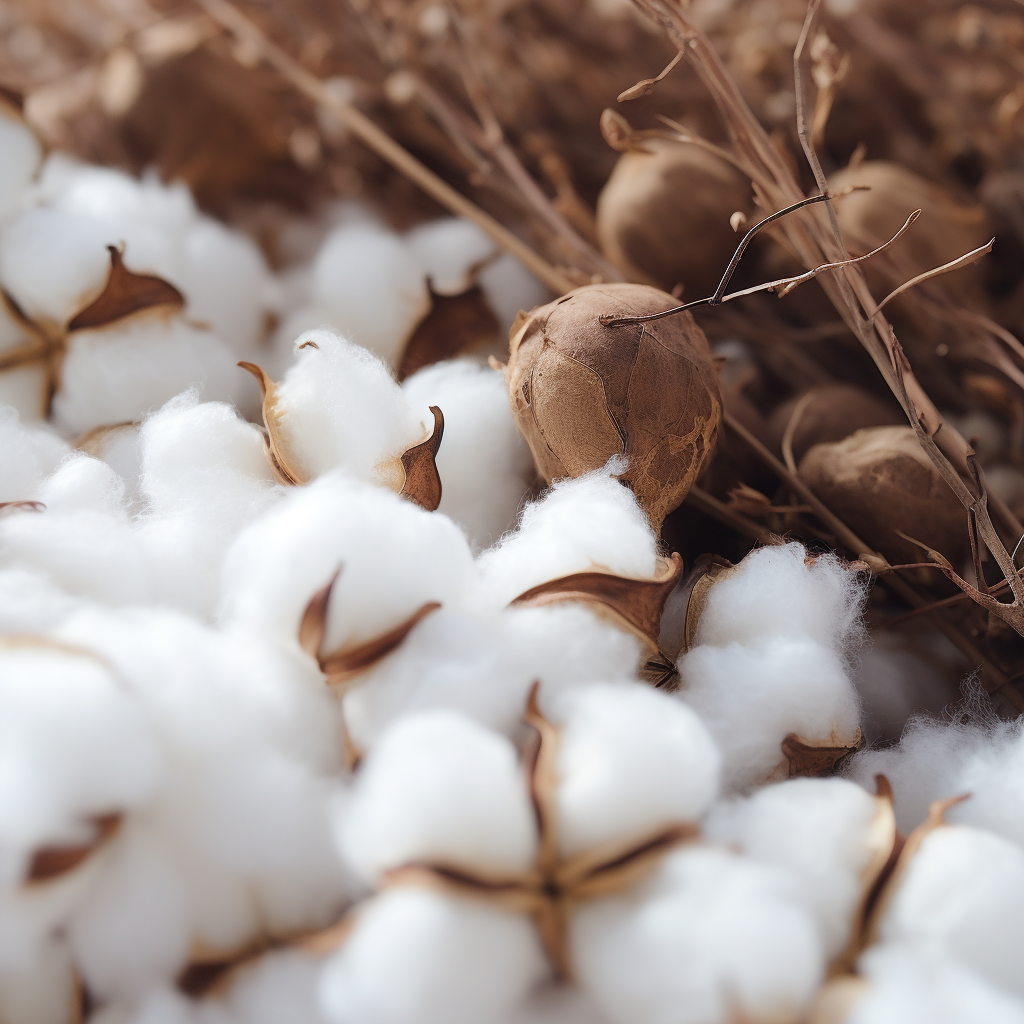
Welcome to our blog post series on textiles and sustainability! In today’s post, we delve into the intriguing world of Supima Cotton and explore the question that has been puzzling many consumers and industry experts alike – is Supima Cotton truly organic?
Section 1: Introduction to Supima Cotton
1.1 What is Supima Cotton?
Supima Cotton is a premium type of cotton that is known for its exceptional quality and luxurious feel. It is predominantly grown in the United States and is often associated with high-end clothing brands.
1.2 Brief history and background of Supima Cotton
To understand the Supima Cotton mystery, we need to explore its origins. We’ll take a look at the history of how Supima Cotton came to be and how it has gained prominence in the textile industry over the years.
1.3 Why is Supima Cotton highly regarded in the textile industry?
Supima Cotton has earned a reputation for being one of the finest cotton varieties available. We’ll explore the reasons behind its popularity, including its durability, softness, and color retention properties.
1.4 Overview of the demand for organic products in today’s market
In recent years, there has been a growing demand for organic products, including textiles. We’ll discuss the increasing consumer interest in sustainable and organic materials and how it has influenced the textile industry.
Section 2: Understanding Organic Cotton
2.1 Definition and characteristics of organic cotton
To understand the organic status of Supima Cotton, we first need to understand what organic cotton means. We’ll delve into the definition and characteristics of organic cotton and how it differs from conventional cotton.
2.2 Benefits of organic cotton farming practices
Organic cotton farming practices have numerous benefits, both for the environment and the farmers. We’ll explore the advantages of organic farming methods, such as reduced pesticide use, soil fertility preservation, and water conservation.
2.3 Certification standards and regulations for organic cotton
To ensure the authenticity of organic cotton, there are specific certification standards and regulations in place. We’ll discuss the various certification bodies and labels that guarantee the organic status of cotton.
2.4 Environmental and social impact of organic cotton production
Beyond its organic status, organic cotton production has significant environmental and social implications. We’ll examine the positive impact it has on biodiversity, water quality, and the livelihoods of cotton farmers.
Join us in the next section as we compare Supima Cotton to organic cotton and unravel the mystery surrounding its organic classification.
Introduction to Supima Cotton
Supima Cotton is a highly sought-after and revered type of cotton that has gained popularity in the textile industry due to its exceptional quality and luxurious feel. It is predominantly grown in the United States and is often associated with high-end clothing brands that value premium materials. But amidst the discussions surrounding sustainability and organic products, a question arises – is Supima Cotton truly organic?
To understand the essence of Supima Cotton, we must delve into its origins. Developed in the early 20th century as a result of innovative breeding techniques, Supima Cotton is a hybrid variety derived from a cross between Egyptian and American Upland cotton. This unique combination resulted in a cotton fiber that possesses extraordinary properties, making it highly desirable in the market.
Supima Cotton stands out for its remarkable qualities, which include exceptional strength, softness, and color retention. Its longer fibers contribute to its durability, allowing fabrics made from Supima Cotton to withstand regular wear and washing without losing their integrity. Moreover, its luxurious feel against the skin provides a pleasant sensory experience, making it a preferred choice for those seeking comfort and elegance.
In recent years, the demand for organic products, including textiles, has experienced a significant upsurge. Consumers are becoming increasingly conscious of the environmental and social impacts of their purchasing decisions and are actively seeking sustainable alternatives. Organic cotton, in particular, has gained traction due to its perceived benefits over conventional cotton.
Organic cotton is cultivated using farming practices that prioritize environmental conservation and eliminate the use of synthetic pesticides and fertilizers. Instead, organic farmers rely on natural methods, such as crop rotation, composting, and biological pest control, to maintain soil fertility and protect the ecosystem. This approach not only benefits the environment but also safeguards the health and well-being of farmers and nearby communities.
Certification standards and regulations ensure the authenticity of organic cotton products. Various organizations, such as the Global Organic Textile Standard (GOTS) and the Organic Content Standard (OCS), provide guidelines for organic cotton farming and processing. These certifications guarantee that the cotton used in the production of textiles is genuinely organic, meeting specific criteria throughout the supply chain.
As we explore the question of whether Supima Cotton can be considered organic, it is crucial to understand the key differences between Supima Cotton and organic cotton. While Supima Cotton is a specific variety known for its quality, organic cotton is a farming standard that encompasses different cotton varieties. The primary distinction lies in the production methods and certification processes.
In the following sections, we will delve deeper into the comparison between Supima Cotton and organic cotton, examining the factors that influence the organic status of Supima Cotton and exploring the ongoing debate surrounding its classification. Join us on this journey to unravel the mystery behind Supima Cotton’s organic credentials.
Understanding Organic Cotton
Organic cotton has gained significant attention as consumers increasingly prioritize sustainable and eco-friendly choices in their purchasing decisions. In this section, we will delve into the definition and characteristics of organic cotton, exploring why it has become a preferred option for those seeking environmentally conscious textiles.
Organic cotton is grown using farming practices that prioritize environmental sustainability and the well-being of farmers and surrounding communities. Unlike conventional cotton farming, which relies heavily on synthetic pesticides and fertilizers, organic cotton cultivation adopts natural methods to maintain soil fertility and minimize environmental impact.
One of the key characteristics of organic cotton is the absence of synthetic chemicals in its production. Organic farmers rely on sustainable practices such as crop rotation, composting, and biological pest control to maintain the health and balance of the ecosystem. This approach not only reduces the exposure of farmers and workers to harmful chemicals but also minimizes the pollution of soil, water, and air.
Certification standards and regulations play a crucial role in ensuring the authenticity and integrity of organic cotton. Organizations like the Global Organic Textile Standard (GOTS) and the Organic Content Standard (OCS) provide guidelines that cover every aspect of organic cotton production, from farming to processing and labeling. These certifications guarantee that the cotton used in the production of textiles is genuinely organic, meeting specific criteria throughout the supply chain.
The benefits of organic cotton extend beyond environmental preservation. By supporting organic cotton farming, consumers contribute to the improvement of farmers’ livelihoods and the communities where cotton is cultivated. Organic farming practices often promote fair trade principles, ensuring that farmers receive fair compensation for their labor and have access to safe working conditions.
Moreover, organic cotton offers numerous advantages over conventional cotton in terms of textile quality. Fabrics made from organic cotton are known for their softness, breathability, and hypoallergenic properties. The absence of chemical residues in organic cotton fibers makes them gentle on the skin, reducing the risk of skin irritations and allergies. Additionally, organic cotton garments are often more durable, as the fibers are not weakened by the harsh chemicals used in conventional cotton production.
As consumers become more conscious of the environmental and social impact of their textile choices, the demand for organic cotton continues to rise. However, the question remains – can Supima Cotton, with its exceptional quality and reputation, be considered organic? In the next section, we will explore the various factors that influence the organic status of Supima Cotton and evaluate its alignment with organic cotton farming practices and standards.
Supima Cotton vs. Organic Cotton
In this section, we will explore the key differences between Supima Cotton and organic cotton, shedding light on their production methods and sustainability practices. While both types of cotton have their unique qualities, it is essential to understand how they align with the principles of organic farming and the certification standards.
Supima Cotton, as we have discussed earlier, is a specific variety of cotton known for its exceptional quality and luxurious feel. It is grown predominantly in the United States and is highly regarded in the textile industry. However, the organic status of Supima Cotton is a subject of debate.
The primary distinction between Supima Cotton and organic cotton lies in their production methods. While Supima Cotton focuses on producing a high-quality fiber through selective breeding and advanced agricultural practices, organic cotton prioritizes environmental sustainability and the use of natural methods.
Organic cotton farming practices adhere to strict guidelines that prohibit the use of synthetic pesticides, fertilizers, and genetically modified organisms (GMOs). Instead, organic farmers employ techniques like crop rotation, composting, and integrated pest management to maintain soil fertility and reduce reliance on external inputs. These practices promote biodiversity, conserve water, and minimize the carbon footprint associated with cotton cultivation.
On the other hand, Supima Cotton does not have specific requirements or regulations regarding organic farming practices. It is primarily a classification based on the fiber’s attributes, such as length, strength, and fineness. While Supima Cotton farmers may adopt sustainable practices, such as water conservation and responsible land management, the focus is primarily on cultivating the highest quality cotton rather than strictly adhering to organic standards.
Another aspect to consider is the certification process. Organic cotton must undergo rigorous certification to obtain labels such as GOTS or OCS, ensuring that the entire supply chain meets organic standards. However, Supima Cotton is certified by the Supima Association, which focuses on verifying the authenticity and quality of the cotton rather than its organic status. The Supima Association guarantees that the cotton is indeed Supima, but it does not provide an organic certification.
Despite these differences, it is worth noting that Supima Cotton and organic cotton share some common ground in terms of sustainability. Both prioritize the reduction of chemical inputs and promote responsible farming practices. Many Supima Cotton farmers are conscious of the environmental impact and work towards implementing sustainable methods. However, it is important to distinguish between the quality of the cotton and its organic classification.
The ongoing debate surrounding Supima Cotton and its organic status reflects the complexities of sustainability in the textile industry. While Supima Cotton may not meet the strict criteria for organic certification, it is still considered a premium and environmentally conscious choice compared to conventional cotton. The decision to prioritize Supima Cotton or organic cotton ultimately depends on individual preferences and values.
In the next section, we will delve deeper into the arguments supporting and opposing the organic classification of Supima Cotton, examining the labeling and marketing strategies employed by the industry. Stay with us as we navigate through the intricacies of this debate and seek a clearer understanding of Supima Cotton’s organic credentials.
The Growing Debate: Is Supima Cotton Organic?
The question of whether Supima Cotton can be considered organic has sparked a significant debate within the textile industry and among consumers. In this section, we will examine the arguments presented by both sides of the discussion, exploring the factors that influence the organic classification of Supima Cotton.
Supporters of Supima Cotton as an organic choice argue that the crop is grown using sustainable practices. While it may not have the official organic certification, many Supima Cotton farmers adhere to environmentally friendly methods, such as efficient water usage, responsible pesticide application, and soil conservation. These practices align with the principles of organic farming, focusing on minimizing harm to the environment and promoting long-term sustainability.
Proponents of Supima Cotton also emphasize the stringent quality control measures that guarantee the fiber’s purity and authenticity. The Supima Association ensures that only cotton meeting specific fiber length and strength requirements can be labeled as Supima. This attention to quality implies a level of care and attention to detail that is often associated with organic production.
On the other side of the debate, critics argue that Supima Cotton cannot be considered organic due to the lack of official certification. While Supima Cotton farmers may implement sustainable practices, the absence of an organic certification raises concerns about transparency and accountability. Without third-party verification, it is challenging to ensure that the cotton meets the stringent criteria set by organic standards.
Another point of contention centers around labeling and marketing strategies employed by the industry. Critics argue that the use of terms like “natural” or “eco-friendly” in relation to Supima Cotton may be misleading to consumers who specifically seek out certified organic products. This raises questions about the clarity and accuracy of information provided to consumers, and whether Supima Cotton’s reputation as a premium, high-quality fiber overshadows the organic classification.
Consumer perception and expectations also play a significant role in this debate. Many consumers associate organic products with a specific set of attributes, including environmental sustainability, health benefits, and ethical production. If Supima Cotton falls short of meeting these expectations, it may cause confusion and disappointment among consumers who assume that Supima Cotton is synonymous with being organic.
Ultimately, the decision of whether to consider Supima Cotton as organic lies in the hands of consumers. It is essential for individuals to educate themselves about the differences between Supima Cotton and organic cotton and make informed choices based on their personal values and priorities. While Supima Cotton may not have the organic certification, it still offers numerous benefits compared to conventional cotton in terms of quality, durability, and sustainability.
In the next section, we will conclude our exploration of the question “Is Supima Cotton organic?” by summarizing the key points discussed and providing insights into the implications for the textile industry and consumers. Join us as we wrap up this thought-provoking discussion and offer a glimpse into the future of sustainable cotton production.
The 4th Section: The Growing Debate: Is Supima Cotton Organic?
The question of whether Supima Cotton can be considered organic has sparked a significant and ongoing debate within the textile industry and among consumers. In this section, we will delve deeper into the arguments put forth by both sides of the discussion, examining the factors that influence the organic classification of Supima Cotton.
Supporters of Supima Cotton as an organic choice emphasize the sustainable practices employed in its cultivation. While Supima Cotton may not have official organic certification, many Supima Cotton farmers prioritize environmentally friendly methods. They focus on efficient water usage, responsible pesticide application, and soil conservation to minimize their impact on the ecosystem. These practices align with the principles of organic farming, which aim to reduce harm to the environment and promote long-term sustainability.
Proponents of Supima Cotton also highlight the stringent quality control measures in place, ensuring the fiber’s purity and authenticity. The Supima Association, a non-profit organization dedicated to promoting and protecting the Supima brand, establishes and enforces strict standards for labeling Supima Cotton. These standards include fiber length and strength requirements that guarantee the exceptional quality for which Supima Cotton is known. The attention to quality and the rigorous selection process can be seen as indicative of the care and attention to detail commonly associated with organic production.
However, critics argue that Supima Cotton cannot be considered organic due to the absence of official certification. While Supima Cotton farmers may implement sustainable practices, the lack of third-party verification raises concerns about transparency and accountability. Official organic certification, such as that provided by organizations like the Global Organic Textile Standard (GOTS) or the Organic Content Standard (OCS), ensures adherence to strict criteria throughout the supply chain. Without this certification, it becomes challenging to guarantee that Supima Cotton meets the stringent organic standards.
Another point of contention revolves around labeling and marketing strategies employed by the industry. Critics argue that the use of terms like “natural” or “eco-friendly” in relation to Supima Cotton may be misleading to consumers who specifically seek out certified organic products. This raises questions about the clarity and accuracy of information provided to consumers, and whether Supima Cotton’s reputation as a premium, high-quality fiber overshadows the organic classification.
Consumer perception and expectations also play a significant role in this debate. Many consumers associate organic products with specific attributes, including environmental sustainability, health benefits, and ethical production. If Supima Cotton falls short of meeting these expectations, it may cause confusion and disappointment among consumers who assume that Supima Cotton is synonymous with being organic.
Ultimately, the decision of whether to consider Supima Cotton as organic lies in the hands of consumers. It is essential for individuals to educate themselves about the differences between Supima Cotton and organic cotton and make informed choices based on their personal values and priorities. While Supima Cotton may not have the official organic certification, it still offers numerous benefits compared to conventional cotton in terms of quality, durability, and sustainability.
In the next section, we will conclude our exploration of the question “Is Supima Cotton organic?” by summarizing the key points discussed and providing insights into the implications for the textile industry and consumers. Join us as we wrap up this thought-provoking discussion and offer a glimpse into the future of sustainable cotton production.
Conclusion and Future Outlook
After exploring the complexities surrounding the question of whether Supima Cotton is organic, it is clear that there are differing perspectives and arguments on both sides of the debate. While Supima Cotton may not meet the strict criteria for organic certification, it still offers unique qualities and sustainability practices that set it apart from conventional cotton.
Supima Cotton has gained a reputation for its exceptional quality, durability, and luxurious feel. Its longer fibers contribute to its strength and softness, making it a preferred choice for high-end clothing brands and discerning consumers. The stringent quality control measures enforced by the Supima Association ensure that only the finest cotton fibers are labeled as Supima.
On the other hand, organic cotton has emerged as a popular choice among consumers who prioritize sustainability and environmental responsibility. Organic cotton farming practices focus on reducing chemical inputs, promoting biodiversity, and ensuring the well-being of farmers and surrounding communities. The certification standards and regulations provide consumers with the assurance that the cotton in their textiles is genuinely organic.
While Supima Cotton may not have organic certification, many Supima Cotton farmers do implement sustainable practices that align with organic principles. The challenge lies in the lack of third-party verification that would officially certify Supima Cotton as organic. This raises concerns about transparency, consumer trust, and accurate labeling.
Moving forward, it is crucial for the textile industry to address these concerns and provide clear and accurate information to consumers. Transparency and authenticity are key in building trust and ensuring that consumers can make informed choices about the products they purchase. Industry organizations and associations, such as the Supima Association, should collaborate with organic certification bodies to establish guidelines and standards that can bridge the gap between Supima Cotton and organic cotton.
As sustainability becomes an increasingly significant factor in consumer decision-making, the demand for organic and environmentally friendly textiles will continue to grow. The textile industry, including Supima Cotton producers, should embrace this shift and explore ways to integrate sustainable practices into their production processes. This could involve partnering with organic cotton farmers, investing in research and development of sustainable technologies, and adopting transparent labeling practices.
In conclusion, while the debate over whether Supima Cotton is organic persists, it is essential to recognize the unique qualities and sustainability practices associated with Supima Cotton. As consumers, we have the power to make conscious choices by considering various factors, including organic certification, sustainable practices, quality, and durability when selecting textile products. By supporting sustainable and responsible production methods, we can contribute to a more sustainable and environmentally conscious textile industry.
As we conclude this exploration of Supima Cotton and its organic classification, we hope it has provided valuable insights into the complexities of the textile industry and the importance of making informed choices. The future of sustainable cotton production lies in the hands of consumers, producers, and industry stakeholders working together to create a more sustainable and environmentally friendly future.
.