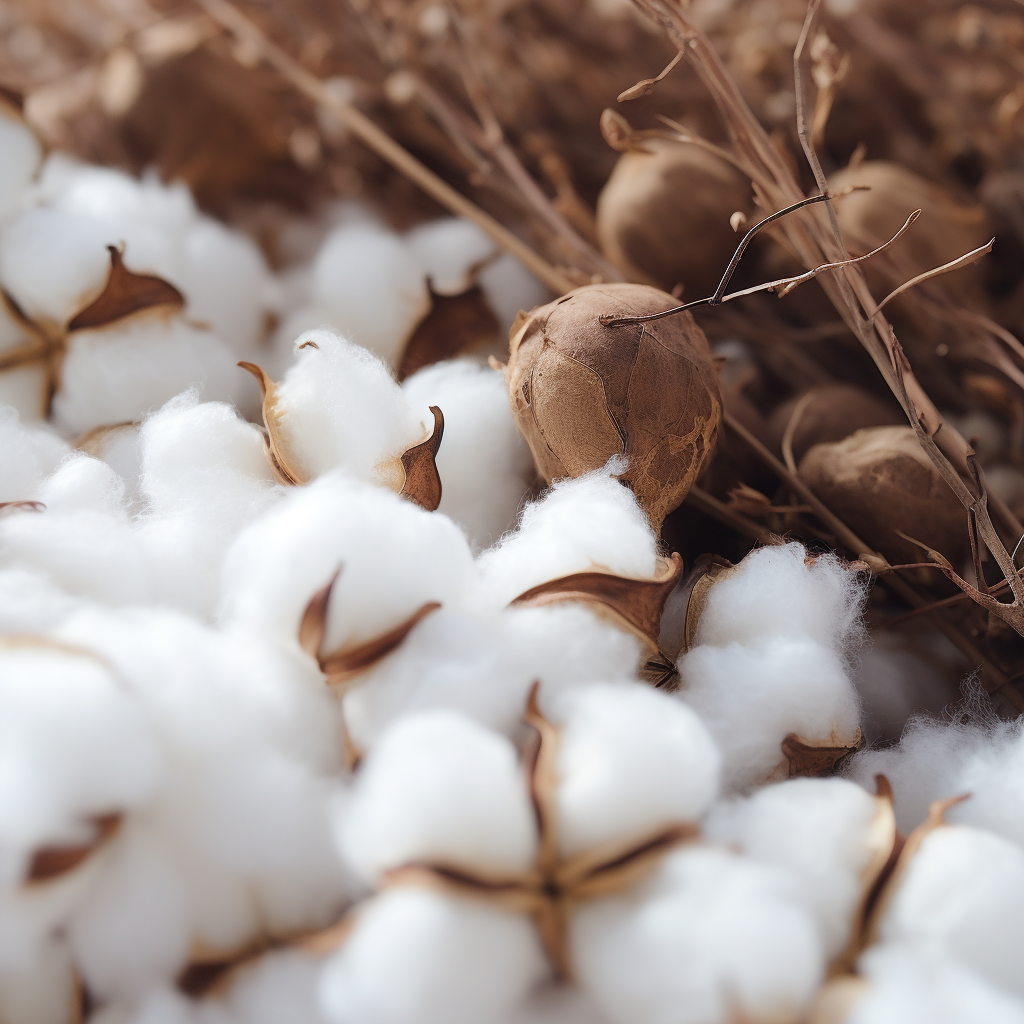
Welcome to our blog post titled “Unraveling the Truth: Does Organic Cotton Shrink? Debunking Myths and Revealing the Facts.” If you are someone who values sustainable and ethical fashion, chances are you have come across organic cotton as a popular choice for clothing and home textiles. But one question that often arises when considering organic cotton is whether it shrinks or not.
In this blog post, we will delve into the world of organic cotton to understand its definition, benefits, and the importance of unraveling the truth about its shrinkage. We will explore the various factors that can affect shrinkage in organic cotton, such as fabric types, pre-treatment processes, and finishing treatments. Additionally, we will provide you with real-life experiences, scientific studies, and research to determine if organic cotton truly shrinks.
Understanding the characteristics and benefits of organic cotton is crucial in making informed choices as consumers. Organic cotton is grown without the use of harmful pesticides, synthetic fertilizers, or genetically modified organisms. This environmentally friendly farming method helps to protect the soil, water, and air, making it a sustainable alternative to conventional cotton.
Moreover, organic cotton offers several health benefits for consumers. The absence of toxic chemicals not only reduces the risk of skin allergies and irritations but also ensures better overall well-being. Additionally, we will discuss the social and economic advantages that organic cotton farming brings to the lives of farmers and their communities.
To unravel the truth about organic cotton shrinkage, we will explore various factors that may influence it. We will dive into the different types of organic cotton fabric, the impact of pre-treatment processes, and the role of fabric blends and finishing treatments. By understanding these factors, we can gain insight into whether organic cotton truly shrinks or if it is just a myth.
We will provide you with case studies, real-life experiences, and user feedback to give you a practical understanding of organic cotton shrinkage. Furthermore, we will examine scientific studies and research that have been conducted to determine the shrinkage percentages of organic cotton compared to conventional cotton.
To help you care for your organic cotton products, we will also share some tips on proper washing and drying techniques. These tips will not only help maintain the quality and longevity of your organic cotton items but also minimize the risk of shrinkage. We will emphasize the importance of using the right temperature settings, gentle detergents, and avoiding high heat during drying.
In conclusion, this blog post aims to unravel the truth about whether organic cotton really shrinks. By exploring the definition, benefits, and factors that affect shrinkage, we hope to debunk myths and reveal the facts. Our goal is to provide you with accurate information so that you can make informed choices and continue to support sustainable and ethical fashion.
Join us on this journey as we uncover the truth about organic cotton shrinkage. Let’s make conscious decisions and embrace the beauty of sustainable fashion together.
Understanding Organic Cotton
Organic cotton has gained significant popularity in recent years as consumers have become more conscious of the environmental impact and health implications of conventional cotton production. But what exactly is organic cotton, and what sets it apart from its conventional counterpart?
Organic cotton is a natural fiber that is grown using organic farming practices. This means that it is cultivated without the use of synthetic pesticides, herbicides, or genetically modified organisms (GMOs). Instead, organic farmers rely on techniques such as crop rotation, composting, and biological pest control to ensure the health and vitality of the cotton plants.
The benefits of organic cotton extend beyond its impact on the environment. For consumers, organic cotton offers numerous advantages, including improved skin health and reduced exposure to harmful chemicals. Since organic cotton is free from toxic residues, it is less likely to cause skin irritations, allergies, or other adverse reactions, making it an excellent choice for those with sensitive skin or allergies.
Furthermore, organic cotton farming practices prioritize the well-being of farmers and their communities. By avoiding the use of hazardous chemicals, organic farmers are not only protecting their own health but also ensuring a safer working environment for everyone involved in the production process. Additionally, organic farming promotes biodiversity and helps preserve the fertility of the soil, leading to long-term sustainability and resilience in agricultural communities.
As consumers, understanding the intricacies of organic cotton is essential in making informed choices. While the benefits of organic cotton are clear, it is also crucial to address common concerns, such as shrinkage. Many individuals wonder if organic cotton has a higher tendency to shrink compared to conventional cotton.
In the next sections, we will explore the factors that can influence shrinkage in organic cotton. We will delve into the different types of organic cotton fabric, the impact of pre-treatment processes, and the role of fabric blends and finishing treatments. By examining these factors, we aim to provide you with a comprehensive understanding of whether organic cotton truly shrinks or if it is just a misconception.
Understanding Organic Cotton
Organic cotton is a natural fiber that is grown using organic farming practices. This means that it is cultivated without the use of synthetic pesticides, herbicides, or genetically modified organisms (GMOs). Instead, organic farmers rely on techniques such as crop rotation, composting, and biological pest control to ensure the health and vitality of the cotton plants.
The benefits of organic cotton extend beyond its impact on the environment. For consumers, organic cotton offers numerous advantages, including improved skin health and reduced exposure to harmful chemicals. Since organic cotton is free from toxic residues, it is less likely to cause skin irritations, allergies, or other adverse reactions, making it an excellent choice for those with sensitive skin or allergies.
Furthermore, organic cotton farming practices prioritize the well-being of farmers and their communities. By avoiding the use of hazardous chemicals, organic farmers are not only protecting their own health but also ensuring a safer working environment for everyone involved in the production process. Additionally, organic farming promotes biodiversity and helps preserve the fertility of the soil, leading to long-term sustainability and resilience in agricultural communities.
As consumers, understanding the intricacies of organic cotton is essential in making informed choices. While the benefits of organic cotton are clear, it is also crucial to address common concerns, such as shrinkage. Many individuals wonder if organic cotton has a higher tendency to shrink compared to conventional cotton.
In the next sections, we will explore the factors that can influence shrinkage in organic cotton. We will delve into the different types of organic cotton fabric, the impact of pre-treatment processes, and the role of fabric blends and finishing treatments. By examining these factors, we aim to provide you with a comprehensive understanding of whether organic cotton truly shrinks or if it is just a misconception.
Factors Affecting Shrinkage in Organic Cotton
When it comes to understanding shrinkage in organic cotton, it is essential to consider various factors that can influence this phenomenon. The type of fabric, pre-treatment processes, and finishing treatments all play a role in determining whether organic cotton will shrink or maintain its original size and shape.
-
Types of Organic Cotton Fabric: Organic cotton fabric can come in a variety of weaves, including knit and woven fabrics. Knit fabrics are more stretchy and flexible, while woven fabrics tend to be more structured and less prone to stretching. The type of fabric can affect how much it will shrink, as well as how it will behave after shrinkage occurs.
-
Pre-Treatment Processes: Before organic cotton fabric is made into garments or products, it often undergoes pre-treatment processes such as scouring and washing. Scouring involves removing impurities and natural waxes from the fabric, while washing helps to remove any residual chemicals or dirt. These pre-treatment processes can impact the initial dimensions of the fabric and influence how much it may shrink later on.
-
Fabric Blends and Finishing Treatments: Organic cotton fabrics are sometimes blended with other fibers, such as polyester or elastane, to enhance their properties. The presence of these additional fibers can affect the overall shrinkage behavior of the fabric. Additionally, finishing treatments, such as anti-shrinkage treatments or fabric softeners, can also influence how much shrinkage occurs.
By considering these various factors, we can gain a better understanding of the potential for shrinkage in organic cotton. In the next section, we will explore the question of whether organic cotton actually shrinks by examining real-life experiences, user reviews, and scientific studies.
Does Organic Cotton Shrink?
The question of whether organic cotton shrinks is one that often arises among consumers who are considering purchasing organic cotton products. To answer this question, we need to look at real-life experiences, user reviews, and scientific studies that have been conducted to determine the shrinkage tendencies of organic cotton.
-
Case Studies and User Feedback: One way to gain insight into the shrinkage behavior of organic cotton is to examine real-life experiences and user feedback. Many individuals who have purchased and worn organic cotton garments or used organic cotton home textiles have shared their experiences online. By analyzing these reviews, we can gather information on whether organic cotton products tend to shrink or not. It is important to note that individual experiences may vary based on factors such as fabric type, care instructions, and personal washing and drying practices.
-
Comparisons with Conventional Cotton: Another aspect to consider is how organic cotton compares to conventional cotton in terms of shrinkage. While conventional cotton is typically treated with various chemicals during production, organic cotton is grown without the use of these harmful substances. This difference in production methods could potentially impact the shrinkage tendencies of the two types of cotton. By comparing the shrinkage rates of organic cotton with conventional cotton, we can gain further insight into whether organic cotton has a higher or lower likelihood of shrinking.
-
Scientific Studies and Research: To provide more concrete evidence, scientific studies and research have been conducted to determine the shrinkage percentages of organic cotton fabrics. These studies involve subjecting organic cotton samples to controlled washing and drying processes and measuring the resulting shrinkage. By conducting such experiments, researchers aim to provide reliable data on the shrinkage tendencies of organic cotton.
While individual results may vary depending on fabric type, specific washing and drying conditions, and other factors, scientific studies help establish a baseline understanding of organic cotton shrinkage. It is worth noting that the shrinkage percentages reported in these studies can provide a general idea of what to expect, but they may not reflect the exact shrinkage that every individual will experience.
By considering real-life experiences, user feedback, comparisons with conventional cotton, and scientific studies, we can begin to answer the question of whether organic cotton truly shrinks. In the next sections, we will dive deeper into the research and analysis to provide you with a more comprehensive understanding of organic cotton shrinkage. We will explore the different factors that can influence shrinkage and provide tips on caring for organic cotton products to minimize the risk of shrinkage.
Factors Affecting Shrinkage in Organic Cotton
To understand the shrinkage tendencies of organic cotton, it is important to consider the various factors that can influence this phenomenon. These factors include the type of fabric, pre-treatment processes, and fabric blends and finishing treatments. By examining these factors, we can gain a deeper understanding of why and how organic cotton may shrink.
-
Types of Organic Cotton Fabric: Organic cotton fabric comes in different types, including knit and woven fabrics. Knit fabrics are created by interlocking loops of yarn, making them more stretchy and flexible. On the other hand, woven fabrics are made by interlacing vertical and horizontal yarns, resulting in a more structured and less stretchy fabric. The inherent properties of these fabric types can impact their shrinkage tendencies. Knit fabrics have more elasticity, which can lead to more significant shrinkage, especially if exposed to high heat during washing or drying. Woven fabrics, being less stretchy, may have less noticeable shrinkage.
-
Pre-Treatment Processes: Pre-treatment processes, such as scouring and washing, are essential steps in preparing organic cotton fabric for manufacturing. Scouring involves removing impurities and natural waxes from the fabric, while washing helps eliminate any residual chemicals or dirt. These processes can affect the initial dimensions of the fabric and its potential for further shrinkage. Improper or inadequate pre-treatment can result in residual shrinkage potential that may become noticeable during subsequent washes.
-
Fabric Blends and Finishing Treatments: Organic cotton fabrics are sometimes blended with other fibers, such as polyester or elastane, to enhance durability, stretch, or other properties. The presence of these additional fibers can influence the overall shrinkage behavior of the fabric. Blending organic cotton with synthetic fibers like polyester may reduce the overall shrinkage tendencies, as synthetic fibers are generally less prone to shrinkage. Finishing treatments, such as anti-shrinkage treatments or fabric softeners, can also impact the shrinkage potential of organic cotton. These treatments may provide temporary resistance to shrinkage, but their effectiveness may diminish over time and with repeated washings.
By understanding these factors, we can begin to decipher why organic cotton may shrink and what precautions can be taken to minimize shrinkage. In the next sections, we will explore whether organic cotton truly shrinks by analyzing case studies, real-life experiences, user feedback, and scientific studies. We will provide you with a comprehensive understanding of the shrinkage tendencies of organic cotton and offer tips for caring for your organic cotton products to maintain their quality and minimize shrinkage.
Does Organic Cotton Shrink?
To determine whether organic cotton truly shrinks, it is essential to examine real-life experiences, user reviews, and scientific studies that have been conducted on this topic. Let’s explore the evidence and insights available to gain a clearer understanding.
-
Case Studies and Real-Life Experiences: Many individuals who have used organic cotton products have shared their experiences regarding shrinkage. These firsthand accounts provide valuable insights into the behavior of organic cotton in real-world scenarios. By analyzing these case studies, we can gather information on whether organic cotton products tend to shrink and to what extent. It is important to consider factors such as fabric type, care instructions followed, and individual washing and drying practices when evaluating these experiences.
-
User Reviews and Feedback: Online platforms and e-commerce websites often feature user reviews and feedback on various organic cotton products. These reviews can offer valuable insights into the shrinkage tendencies of specific garments or home textiles. While individual experiences may vary, patterns and trends in user feedback can provide a broader understanding of how organic cotton products generally behave in terms of shrinkage.
-
Comparisons with Conventional Cotton: To gain further perspective, it is helpful to compare the shrinkage tendencies of organic cotton with those of conventional cotton. Conventional cotton is typically treated with various chemicals during production, which can affect its shrinkage behavior. By comparing the shrinkage rates between the two types of cotton, we can assess whether organic cotton has a higher or lower likelihood of shrinking.
-
Scientific Studies and Research: Scientific studies and research provide a more objective and controlled approach to understanding shrinkage in organic cotton. These studies involve subjecting organic cotton samples to controlled washing and drying processes and measuring the resulting shrinkage percentages. By conducting such experiments, researchers aim to provide reliable data on the shrinkage tendencies of organic cotton. While individual results may vary based on factors such as fabric type, specific washing conditions, and other variables, scientific studies help establish a baseline understanding of organic cotton shrinkage.
By examining case studies, real-life experiences, user feedback, and scientific studies, we can begin to answer the question of whether organic cotton truly shrinks. The evidence suggests that while organic cotton may have some potential for shrinkage, it is not significantly different from conventional cotton in this regard. Proper care practices, such as following recommended washing instructions and avoiding high heat during drying, can help minimize shrinkage and maintain the integrity of organic cotton products.
In the next section, we will provide practical tips for caring for organic cotton products to minimize the risk of shrinkage and ensure their longevity.
Tips for Caring for Organic Cotton
Caring for organic cotton products is crucial to maintaining their quality and minimizing the risk of shrinkage. By following proper washing and drying techniques, you can ensure that your organic cotton items remain in optimal condition for a longer period. Here are some tips to help you care for your organic cotton products:
-
Proper Washing Techniques: When washing organic cotton, it is recommended to use a gentle cycle or delicate wash setting on your washing machine. This helps to minimize the stress and agitation that can contribute to shrinkage. Additionally, using cold or lukewarm water instead of hot water can help prevent excessive shrinkage. Avoiding harsh detergents that contain bleaching agents or enzymes is also advisable, as these can weaken the fabric fibers and increase the likelihood of shrinkage.
-
Recommended Temperature Settings: Temperature plays a significant role in the shrinkage of organic cotton. To minimize shrinkage, it is best to wash organic cotton items in cold or lukewarm water. Hot water can cause the fabric to contract and lead to noticeable shrinkage. By avoiding high heat during the washing process, you can help preserve the original dimensions of the fabric.
-
Gentle Detergents: Choosing a gentle detergent specifically formulated for delicate fabrics is essential when caring for organic cotton. Harsh detergents can strip the fabric of its natural oils and weaken the fibers, making them more prone to shrinkage. Look for detergents that are free from harsh chemicals, fragrances, and optical brighteners. Alternatively, you can opt for natural and eco-friendly laundry detergents that are specifically designed for sensitive fabrics like organic cotton.
-
Avoiding High Heat During Drying: Heat is a common culprit when it comes to fabric shrinkage. To minimize the risk of shrinkage, it is best to air dry organic cotton items whenever possible. If using a dryer, choose a low heat or delicate setting to avoid subjecting the fabric to excessive heat. Removing the items from the dryer while they are still slightly damp and allowing them to air dry can also help prevent shrinkage.
-
Proper Storage and Folding Techniques: Properly storing your organic cotton items can also contribute to their longevity and reduce the risk of shrinkage. When not in use, fold your organic cotton garments neatly and store them in a cool, dry place away from direct sunlight. Avoid hanging them for extended periods, as this can cause stretching and distortion of the fabric.
By following these tips, you can effectively care for your organic cotton products and minimize the risk of shrinkage. Remember that each individual item may have specific care instructions, so always refer to the manufacturer’s guidelines for the best practices.
In conclusion, while organic cotton may have the potential to shrink, it is not significantly different from conventional cotton in this regard. With proper care, you can enjoy the benefits of organic cotton while maintaining the integrity and longevity of your garments and home textiles.
.