When it comes to feminine hygiene products, it’s important to know exactly what we’re putting in our bodies. With concerns about potential health risks and the desire for a more sustainable lifestyle, many women are turning to organic cotton tampons as a healthier and safer alternative. In this blog post, we will delve into the ingredients of organic cotton tampons, uncovering the secrets behind their production and exploring the benefits they offer. By understanding the ingredients of these tampons, you can make informed choices for a more comfortable and worry-free period experience.
Knowing the ingredients in the products we use is crucial, especially when it comes to something as intimate as feminine hygiene. Many conventional tampons on the market contain synthetic materials, dyes, fragrances, and potentially harmful chemicals. By opting for organic cotton tampons, you are choosing a natural and sustainable option that is free from these potentially harmful ingredients.
In this blog post, we will explore the world of organic cotton tampons, starting with an understanding of what exactly organic cotton is and why it is beneficial for feminine hygiene products. We will also compare organic cotton tampons to conventional ones, highlighting the advantages of choosing organic.
Next, we will dive into the common ingredients found in organic cotton tampons. From the organic cotton itself and the absorbent materials used, to the different types of applicators and potential additives, we will take a closer look at what goes into these tampons. We will discuss the benefits and potential concerns associated with each ingredient, allowing you to make an informed decision about what is best for your body.
Safety and health considerations will also be addressed in this blog post. We will explore the potential health risks of using non-organic tampons, as well as the environmental impact of conventional options. Additionally, we will discuss the concept of “toxic shock syndrome” (TSS) and provide tips for choosing safe and healthy tampons.
Finally, we will conclude by emphasizing the importance of knowing tampon ingredients and the benefits of opting for organic cotton tampons. We will encourage you to make informed choices and prioritize your personal health and well-being.
Stay tuned as we unveil the secrets behind the ingredients of organic cotton tampons. Together, let’s dive into a healthier and safer period experience.
Understanding Organic Cotton Tampons
Organic cotton tampons have gained significant popularity in recent years as women become more conscious about the products they use during their menstrual cycles. But what exactly is organic cotton, and why should you choose tampons made from it?
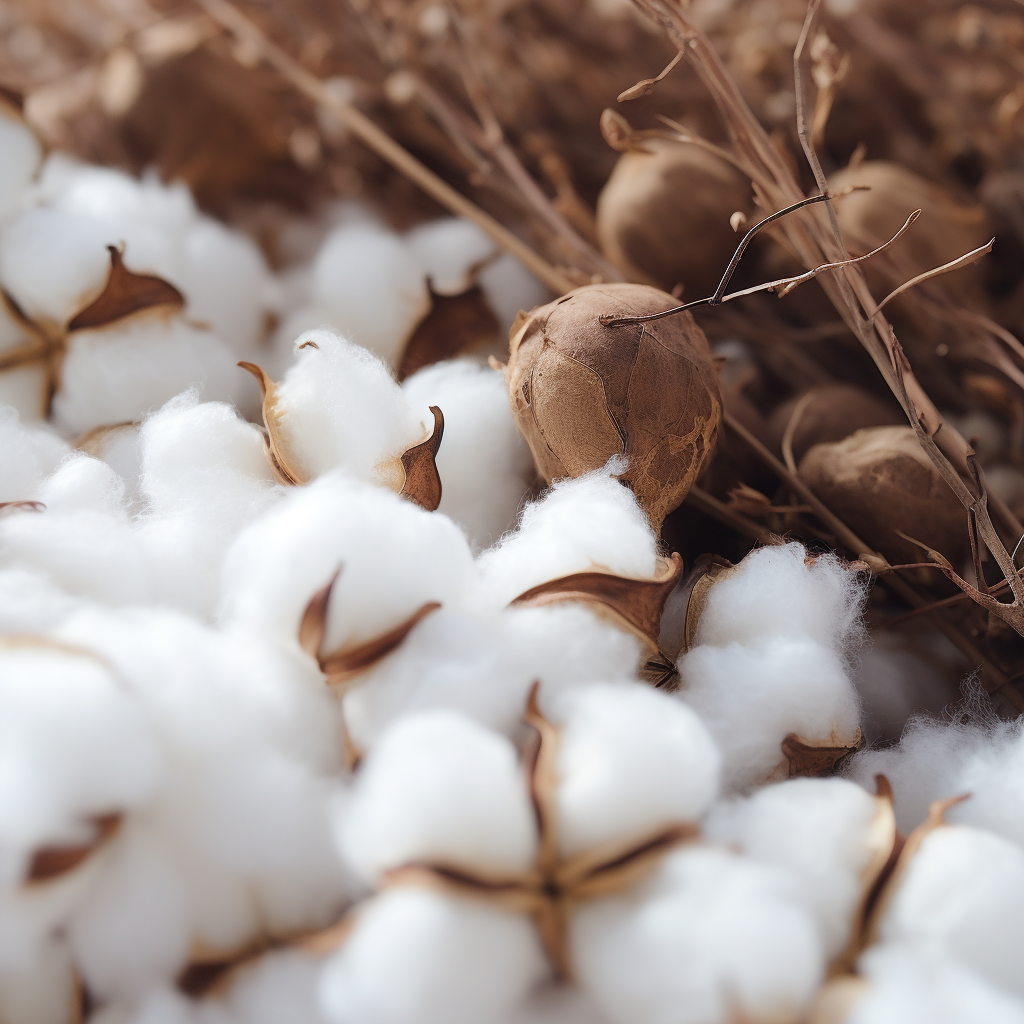
Organic cotton is a type of cotton that is grown without the use of synthetic pesticides, herbicides, or genetically modified organisms (GMOs). Instead, organic farmers rely on natural methods like crop rotation, beneficial insects, and composting to maintain soil fertility and control pests. This cultivation process ensures that the cotton is free from harmful chemicals, making it a safer and more sustainable option for feminine hygiene products.
So why should you opt for organic cotton tampons? One of the main reasons is that they are free from potentially harmful substances found in conventional tampons. Non-organic tampons often contain synthetic materials like rayon or polyester, which can be irritating to sensitive skin. Additionally, conventional tampons may be bleached using chlorine, resulting in the production of dioxins, a group of toxic chemicals that can have adverse effects on human health and the environment.
By choosing organic cotton tampons, you are avoiding these potential risks. Organic cotton is naturally hypoallergenic and gentle on the skin, reducing the chances of irritation or discomfort during your period. Furthermore, organic cotton tampons are typically unbleached or bleached using safer alternatives like hydrogen peroxide, minimizing the presence of dioxins.
Comparing organic cotton tampons to their conventional counterparts further highlights the benefits of choosing organic. Conventional tampons often prioritize convenience and absorbency, using synthetic materials and chemicals to achieve these qualities. On the other hand, organic cotton tampons provide a natural and biodegradable alternative, reducing the environmental impact associated with disposable menstrual products.
Certification processes play a crucial role in ensuring the authenticity and quality of organic cotton tampons. Look for tampons that have been certified by reputable organizations such as the Global Organic Textile Standard (GOTS) or the Organic Content Standard (OCS). These certifications guarantee that the tampons meet strict criteria for organic production, including the sourcing of organic cotton and the absence of harmful substances.
In summary, organic cotton tampons offer a safer and more sustainable option for managing your period. By choosing tampons made from organic cotton, you can avoid potential irritants and harmful chemicals found in conventional tampons. The cultivation of organic cotton also promotes healthier soil and reduces the environmental impact of disposable menstrual products. So, next time you reach for tampons, consider making the switch to organic cotton for a healthier and more eco-friendly period experience.
Common Ingredients in Organic Cotton Tampons
To truly understand the composition of organic cotton tampons, it is important to delve into the various ingredients that make up these menstrual products. From the organic cotton itself to the absorbent materials, applicators, fragrances, dyes, and other additives, let’s explore the key components that contribute to the overall composition of organic cotton tampons.
- Organic Cotton:
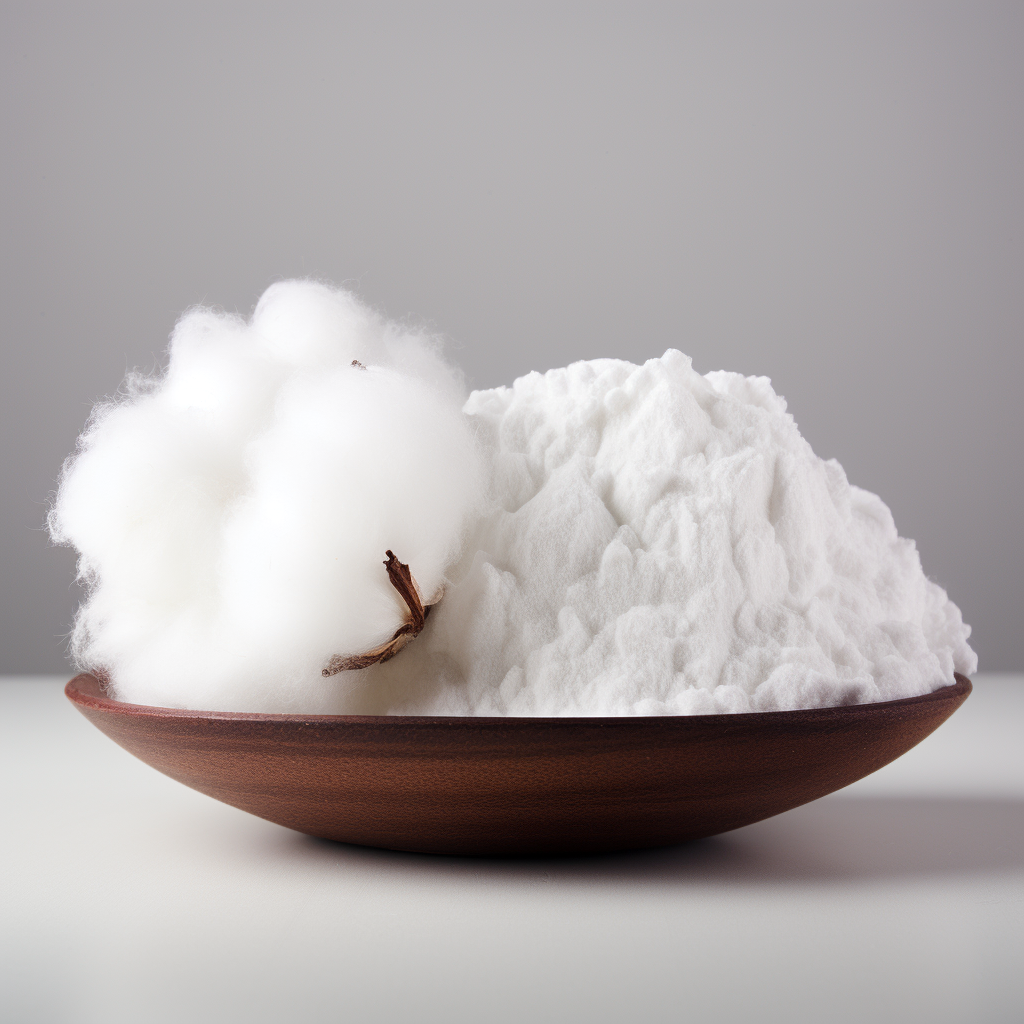
The primary ingredient in organic cotton tampons is, of course, organic cotton. This cotton is grown without the use of synthetic pesticides, herbicides, or GMOs, ensuring a more natural and sustainable option for feminine hygiene. Organic cotton is renowned for its softness, breathability, and hypoallergenic properties. It is cultivated using environmentally friendly practices that prioritize soil health and biodiversity.
The process of growing organic cotton involves the careful selection of seeds and the adoption of organic farming techniques. Farmers rely on natural methods such as crop rotation, companion planting, and biological pest control to maintain the health of the cotton plants. This ensures that the resulting cotton fibers are free from harmful chemicals, making them safe and gentle for intimate use.
- Absorbent Materials:
In addition to organic cotton, tampons may also contain other absorbent materials to enhance their functionality. These materials are typically natural fibers that have high absorbency properties, allowing them to effectively capture menstrual flow.
Common natural fibers used in organic cotton tampons include bamboo, hemp, and wood pulp. These fibers are biodegradable and renewable, making them environmentally friendly choices. However, it is important to note that some individuals may have sensitivities or allergies to certain natural fibers. Therefore, it is advisable to check product labels or conduct patch tests if you have known sensitivities.
- Applicators:
Tampons come in various forms, including those with or without applicators. Applicators provide ease of insertion and are available in different materials such as plastic or cardboard.
Plastic applicators are often made from polypropylene, a type of plastic that offers smooth and comfortable insertion. However, the use of plastic applicators raises concerns about their environmental impact, as they are not biodegradable.
On the other hand, cardboard applicators are biodegradable and provide a more eco-friendly option. They are typically made from recycled cardboard and offer a convenient and comfortable insertion experience.
Some organic cotton tampons are also available without applicators, reducing waste and environmental footprint. These tampons require manual insertion, which may take a little practice but is certainly a viable option for those seeking a more sustainable solution.
- Fragrances and Dyes:
Many conventional tampons are scented or colored to mask odors and enhance aesthetic appeal. However, these added fragrances and dyes can potentially cause irritation or allergic reactions in some individuals.
Organic cotton tampons, on the other hand, typically do not contain added fragrances or dyes. They are designed to be fragrance-free and dye-free, reducing the risk of irritation and allowing for a more natural and gentle period experience. This is particularly beneficial for those with sensitive skin or allergies.
- Other Additives and Chemicals:
Some tampons may contain additional additives or chemicals to provide certain properties such as antibacterial effects or extended shelf life. These additives can include preservatives and antibacterial agents, which may help prevent the growth of bacteria and maintain the tampons’ freshness.
However, it is important to note that these additives can potentially have health concerns associated with them. Some preservatives, for example, may be linked to skin irritation or allergic reactions in certain individuals. Therefore, if you prefer to avoid such additives, there are organic cotton tampons available that are free from these chemicals.
In conclusion, organic cotton tampons consist primarily of organic cotton fibers, which are grown without synthetic pesticides or GMOs. They often contain natural absorbent materials and are available with different types of applicators or without applicators. Fragrance-free and dye-free options are common in organic cotton tampons, while some tampons may also include additives or chemicals for specific purposes. By understanding the ingredients in organic cotton tampons, you can make informed choices that align with your personal preferences and prioritize your health and well-being during your menstrual cycle.
Safety and Health Considerations
When it comes to choosing menstrual hygiene products, safety and health considerations should be at the forefront of your decision-making process. Understanding the potential risks associated with non-organic tampons and the environmental impact of conventional options is crucial for making informed choices. Let’s explore these considerations in more detail and provide tips for selecting safe and healthy tampons.
- Potential Health Risks of Non-Organic Tampons:
Non-organic tampons, especially those made with synthetic materials and containing additives, may pose potential health risks. The use of synthetic fibers like rayon or polyester can increase the risk of vaginal irritation, itching, and discomfort. These materials may not allow for proper airflow, trapping moisture and promoting the growth of bacteria, which can lead to infections.
Additionally, conventional tampons are often bleached using chlorine, which can result in the production of dioxins. Dioxins are a group of toxic chemicals that have been associated with various health concerns, including hormonal disruption, immune system damage, and even an increased risk of certain cancers. While the levels of dioxins in tampons are generally low, some individuals may prefer to minimize their exposure by opting for organic cotton tampons.
- Environmental Impact of Conventional Tampons:
The environmental impact of conventional tampons is another important consideration. These tampons are typically made from non-biodegradable materials such as synthetic fibers and plastic applicators. As a result, they contribute to plastic waste that can take hundreds of years to decompose, polluting landfills and oceans.
Moreover, the production of conventional tampons involves the use of large amounts of water, energy, and chemicals. The cultivation of non-organic cotton, for example, often involves the heavy use of pesticides and herbicides, which can harm ecosystems and contaminate surrounding water sources.
By choosing organic cotton tampons, you can significantly reduce your environmental footprint. Organic cotton is biodegradable, and many organic cotton tampons are packaged in eco-friendly materials. Opting for tampons without applicators or those with biodegradable cardboard applicators further minimizes plastic waste.
- Understanding Toxic Shock Syndrome (TSS):
Toxic Shock Syndrome (TSS) is a rare but serious condition that can occur when certain bacteria, most commonly Staphylococcus aureus or Streptococcus pyogenes, release toxins into the bloodstream. While TSS can affect anyone, it has been associated with tampon use, particularly when tampons are left in for extended periods or if high-absorbency tampons are used.
It is important to note that TSS can occur with any type of tampon, whether organic or non-organic. However, practicing proper hygiene and using tampons responsibly can help reduce the risk. Follow the recommended tampon usage guidelines, change tampons frequently, and consider using lower absorbency tampons when your flow is lighter. If you experience symptoms such as sudden high fever, vomiting, diarrhea, dizziness, or a rash resembling a sunburn, remove the tampon immediately and seek medical attention.
- Tips for Choosing Safe and Healthy Tampons:
To ensure you are making safe and healthy choices when it comes to tampons, consider the following tips:
a. Read product labels: Look for tampons made from organic cotton and certified by reputable organizations such as GOTS or OCS. Avoid tampons that contain synthetic fibers, fragrances, dyes, or unnecessary additives.
b. Consider your flow: Choose tampons with absorbency levels that correspond to your flow. Using higher absorbency tampons when unnecessary can increase the risk of TSS.
c. Practice good hygiene: Wash your hands before and after inserting or removing a tampon to reduce the risk of bacterial contamination.
d. Change tampons frequently: Follow the recommended time intervals for changing tampons to avoid prolonged use and reduce the risk of TSS.
e. Explore alternative options: Consider exploring alternative menstrual products such as menstrual cups or reusable cloth pads, which offer sustainable and chemical-free alternatives.
By following these tips, you can make informed decisions and prioritize your safety and well-being during your menstrual cycle.
In conclusion, safety and health considerations play a vital role in choosing the right tampons for your period. Non-organic tampons may pose potential health risks and contribute to environmental pollution. Understanding the risks associated with non-organic options, the impact on the environment, and practicing proper hygiene can help you make safer and healthier choices. By opting for organic cotton tampons and following recommended usage guidelines, you can have a more comfortable and worry-free period experience while minimizing your environmental footprint.
Conclusion
In the fast-paced world we live in, it is crucial to pause and consider the ingredients of the products we use, especially those that come in direct contact with our bodies. Organic cotton tampons offer a safer and more sustainable option for managing your period. By choosing tampons made from organic cotton, you are making a conscious decision to avoid potential irritants and harmful chemicals found in conventional tampons.
Throughout this blog post, we have explored the ingredients that make up organic cotton tampons, including organic cotton itself, absorbent materials, applicators, fragrances, dyes, and other additives. We have highlighted the benefits of organic cotton, such as its softness, breathability, and hypoallergenic properties. We have also discussed the potential risks associated with non-organic tampons, including vaginal irritation, exposure to dioxins, and the environmental impact of conventional options.
By understanding the potential health risks and environmental impact of non-organic tampons, you can make informed choices that prioritize your well-being and contribute to a more sustainable future. Opting for organic cotton tampons not only benefits your own health but also supports organic farming practices that promote soil health, biodiversity, and reduced chemical usage.
When selecting tampons, be sure to read product labels and look for certifications from reputable organizations like GOTS or OCS. Consider your own flow and choose tampons with the appropriate absorbency level to reduce the risk of Toxic Shock Syndrome (TSS). Practice good hygiene, change tampons frequently, and explore alternative options such as menstrual cups or reusable cloth pads if they align with your personal preferences.
Remember, your menstrual health matters, and so does the health of the planet. By choosing organic cotton tampons, you are not only taking care of yourself but also actively contributing to a more sustainable and environmentally conscious world. So, the next time you reach for tampons, consider making the switch to organic cotton and embark on a healthier and greener period journey.
.