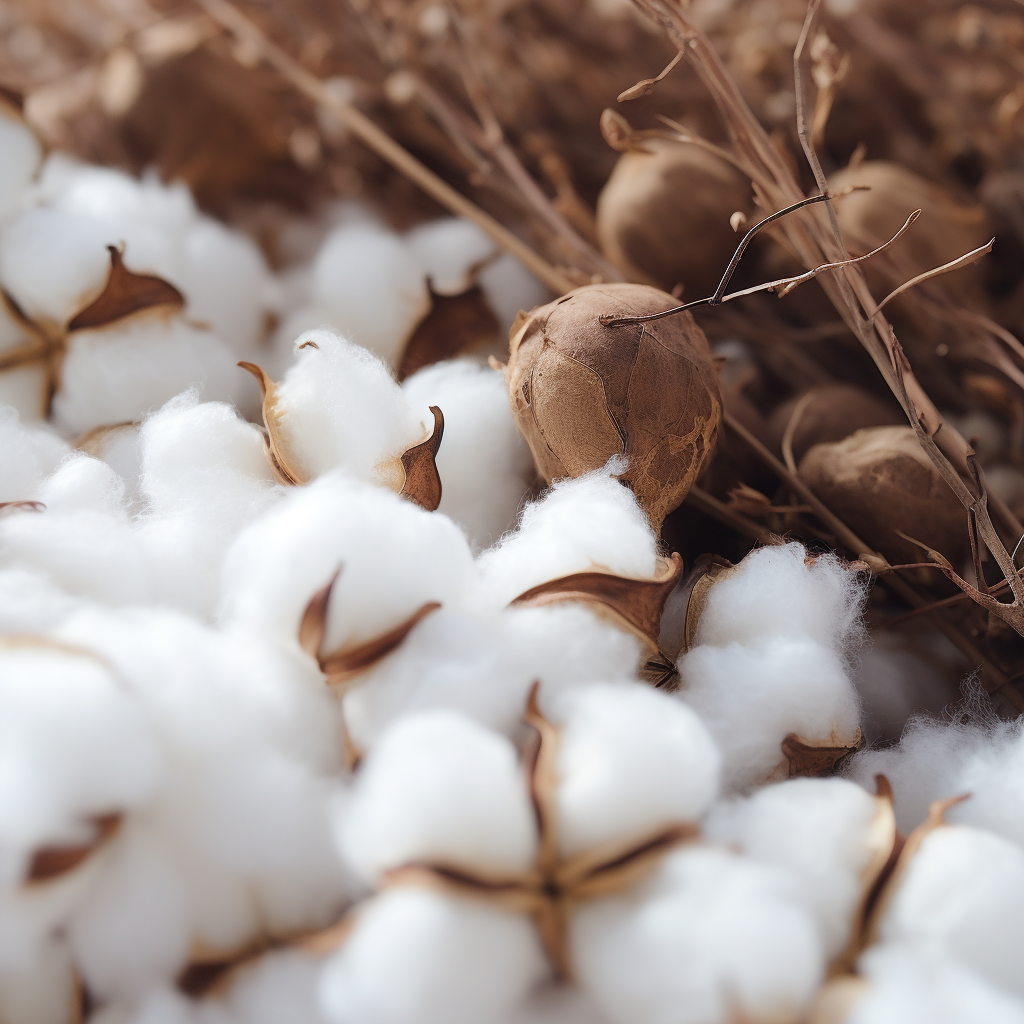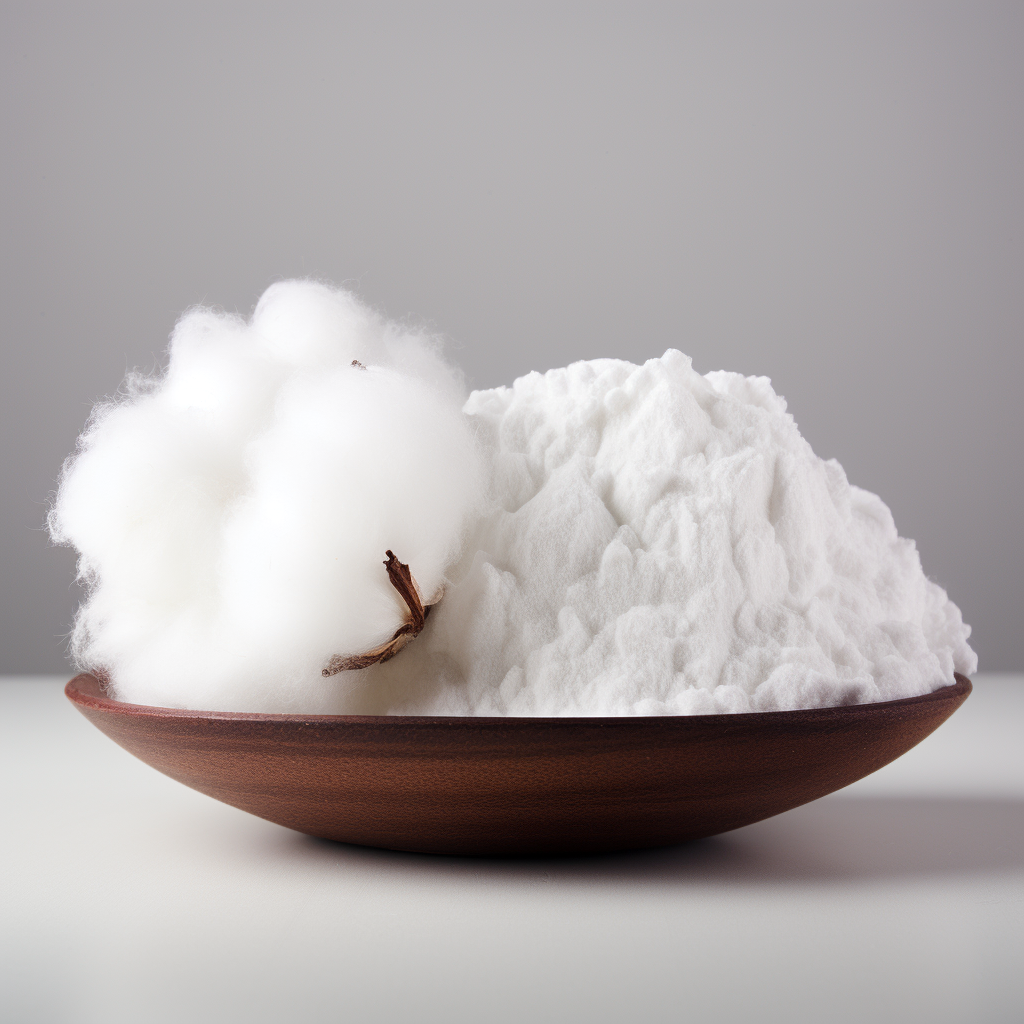
In today’s world, where sustainability and conscious consumerism have taken center stage, the textile industry is under scrutiny for its environmental impact and health concerns. One fabric that has gained significant attention is cotton, a staple in our wardrobes. However, not all cotton is created equal. In this blog post, we will delve into the battle between organic cotton and regular cotton, two fabrics that are at the forefront of the environmental, health, and sustainability showdown.
To understand this battle, let’s start with a brief overview of these fabrics. Organic cotton refers to cotton that is grown without the use of synthetic pesticides, fertilizers, and genetically modified organisms (GMOs). On the other hand, regular cotton, also known as conventional cotton, is grown using these synthetic inputs.
Sustainability is a key factor in the textile industry. The production of textiles, including cotton, has a significant impact on the environment. It affects soil quality, water resources, and overall ecosystem health. Therefore, it is crucial to compare and contrast organic cotton and regular cotton in terms of their environmental impact, health benefits, and overall sustainability.
In this blog post, we will explore the environmental impact of these fabrics. We will examine the use of pesticides and chemicals in regular cotton farming, discussing the negative effects they have on soil and water quality. We will also analyze case studies that highlight the impact of pesticide use in conventional cotton farming, such as the situation in Punjab, India.
Furthermore, we will delve into organic cotton farming methods, which prioritize ecological practices and their benefits for the environment. We will explore case studies, like the Chetna Organic Cooperative in India, to demonstrate the positive outcomes of organic cotton farming. Additionally, we will compare water usage in organic cotton farming versus regular cotton farming, shedding light on the water conservation efforts in organic cotton farming, such as those seen in California, USA.
Another critical aspect we will explore is the health benefits associated with organic cotton. Regular cotton farming involves the use of pesticides that can leave harmful residues on the cotton fibers. These residues can pose health risks for both farmers and consumers. We will examine case studies from around the world, including Uzbekistan, to highlight the potential consequences of pesticide exposure in cotton farming.
On the other hand, organic cotton offers significant benefits for both farmers and consumers. By eliminating the use of pesticides, organic cotton reduces the risk of exposure and promotes better health outcomes. We will explore case studies, like those from the Kutch region of Gujarat, India, to showcase the positive health effects experienced by organic cotton farmers.
Additionally, we will compare the chemical treatments used in regular cotton versus organic cotton processing. The potential impact of these treatments on consumer health will be discussed, along with case studies that demonstrate chemical-free processing methods in organic cotton production, such as those found in Turkey.
Finally, we will analyze the overall sustainability of organic cotton versus regular cotton. Energy consumption plays a crucial role in textile production, and we will examine the energy-intensive processes involved in conventional cotton production. Case studies from regions like Texas, USA, will showcase the use of renewable energy in organic cotton production.
Moreover, we will explore the social and economic aspects of organic cotton farming, including fair trade practices and improved livelihoods for farmers. Case studies, such as those from rural communities in Mali, will shed light on the positive impact of organic cotton farming on local communities.
Lastly, we will delve into certifications and standards for organic cotton, with a particular focus on the Global Organic Textile Standard (GOTS). We will discuss the role of GOTS in ensuring organic cotton authenticity and transparency, and how it helps consumers make informed choices.
In conclusion, the battle between organic cotton and regular cotton is not just about fabrics. It is about making conscious choices that have a positive impact on the environment, our health, and the sustainability of the textile industry. Through this blog post, we aim to provide you with a comprehensive understanding of the environmental, health, and sustainability aspects of these fabrics. Join us in unveiling the true showdown between organic cotton and regular cotton, and let’s make informed decisions to support sustainable textile practices.
Environmental Impact
Cotton is one of the most widely grown and extensively used natural fibers in the world. However, the environmental impact of cotton production, particularly in the case of regular cotton, cannot be ignored. Conventional cotton farming relies heavily on the use of synthetic pesticides and fertilizers, which have detrimental effects on soil quality, water resources, and overall ecosystem health.
Regular cotton farming involves the application of pesticides to control pests and diseases that can damage cotton crops. These pesticides not only kill harmful insects but also impact beneficial insects, such as bees and butterflies, which play a vital role in pollination and maintaining biodiversity. Moreover, the chemicals used in conventional cotton farming can contaminate the soil and water, leading to long-lasting ecological damage.
A striking example of the environmental impact of regular cotton farming can be seen in Punjab, India. Known as the “cotton belt,” Punjab has witnessed a significant increase in cotton cultivation over the years. However, this expansion came at a high cost. The excessive use of pesticides in conventional cotton farming has led to the contamination of soil, water bodies, and even groundwater. As a result, the ecosystem has been disrupted, and the health of both humans and animals has been compromised.
In contrast, organic cotton farming methods prioritize ecological practices that minimize environmental harm. Organic farmers rely on natural methods to control pests and diseases, such as crop rotation, intercropping, and the use of beneficial insects. These practices promote biodiversity, enhance soil fertility, and reduce the reliance on synthetic inputs.
A prime example of successful organic cotton farming can be found in the Chetna Organic Cooperative in India. The cooperative comprises small-scale farmers who have adopted organic farming methods, including organic cotton cultivation. These farmers have witnessed positive outcomes in terms of improved soil health, reduced pest infestations, and increased biodiversity on their farms. The Chetna Organic Cooperative serves as a model for sustainable agricultural practices, showcasing the benefits of organic cotton farming for both the environment and the farmers.
Water usage is another critical aspect to consider when comparing organic cotton to regular cotton farming. Conventional cotton farming is known to be water-intensive, requiring vast amounts of water for irrigation. This excessive water consumption puts a strain on freshwater resources, particularly in regions where water scarcity is already an issue.
In contrast, organic cotton farming tends to use water more efficiently. By adopting practices such as rainwater harvesting, drip irrigation, and water conservation techniques, organic cotton farmers can significantly reduce their water footprint. For example, in California, USA, where water scarcity is a pressing concern, organic cotton farmers have implemented innovative methods to conserve water, such as capturing and reusing rainwater and employing precision irrigation systems. These efforts contribute to the overall sustainability of organic cotton farming and help mitigate the strain on water resources.
By examining the environmental impact of both organic cotton and regular cotton farming, it becomes evident that organic cotton offers a more sustainable and environmentally friendly alternative. The reduced use of synthetic pesticides, the promotion of biodiversity, and the efficient use of water make organic cotton farming a more ecologically responsible choice. The case studies mentioned above highlight the tangible benefits of organic cotton farming, not only for the environment but also for the well-being of farmers and local communities.
Health Benefits
When it comes to cotton, the health aspect goes beyond just the end consumer. The use of pesticides and chemicals in regular cotton farming not only poses risks to the environment but also has potential health implications for farmers and consumers alike. This is where organic cotton shines, offering a safer and healthier alternative.
Regular cotton farming heavily relies on synthetic pesticides and fertilizers to control pests and promote crop growth. These chemicals can leave residues on the cotton fibers, which can have adverse effects on human health. Pesticide residues have been linked to various health problems, including dermatological issues, respiratory illnesses, and even certain types of cancers. The exposure to these harmful chemicals is particularly high for cotton farmers who handle and work in close proximity to the treated crops.
To illustrate the consequences of pesticide exposure in cotton farming, let’s take a look at a case study from Uzbekistan. In this region, cotton production is a major industry, and the use of pesticides is widespread. Unfortunately, this has resulted in serious health implications for the farmers and their families. Studies have shown an alarming prevalence of health issues, including respiratory problems, neurological disorders, and skin conditions, among cotton farmers who are regularly exposed to these toxic chemicals. The long-term effects on their well-being and livelihoods are evident, painting a grim picture of the health risks associated with regular cotton farming practices.
In contrast, organic cotton offers a healthier alternative for both farmers and consumers. By eliminating the use of synthetic pesticides and relying on natural pest control methods, organic cotton farming reduces the risk of pesticide exposure. This not only protects the health of farmers but also ensures that the cotton fibers themselves are free from harmful residues.
An inspiring case study comes from the Kutch region of Gujarat, India, where organic cotton farming has made a positive impact on the health of farmers. Farmers in this region have transitioned from conventional cotton farming to organic practices, and the results have been remarkable. The elimination of synthetic pesticides has led to a significant reduction in health issues among the farmers, such as respiratory ailments and skin disorders. Additionally, the overall well-being of the farmers has improved, as they no longer face the immediate risks associated with handling toxic chemicals.
Consumers also benefit from choosing organic cotton products. By opting for organic cotton clothing, bedding, or other textile items, they reduce their exposure to pesticide residues that can be absorbed through the skin. This is particularly important for individuals with sensitivities or allergies, as organic cotton is hypoallergenic and less likely to cause skin irritations or allergic reactions.
Furthermore, the absence of chemical treatments in the processing of organic cotton offers additional health benefits. Regular cotton often undergoes chemical treatments, such as bleaching, dyeing, and finishing, which can introduce harmful substances and toxins into the final product. These chemicals can irritate the skin and may even have long-term health effects with prolonged exposure.
In contrast, organic cotton processing follows strict guidelines to avoid the use of harmful chemicals. Natural or low-impact dyes and gentle, eco-friendly processes are employed to ensure that the integrity of the cotton is maintained without compromising on health and safety. This is exemplified by case studies from countries like Turkey, where organic cotton production utilizes chemical-free processing methods, resulting in healthier and safer end products.
In conclusion, the health benefits associated with organic cotton are significant and should not be overlooked. By choosing organic cotton, we can support the well-being of both farmers and consumers, reducing the risk of pesticide exposure and minimizing the potential health implications associated with regular cotton farming and processing. The case studies presented highlight the positive outcomes of organic cotton farming, demonstrating that a healthier and safer alternative is readily available.
Overall Sustainability
In the quest for a more sustainable future, the textile industry plays a crucial role. The production of cotton, whether organic or regular, has a significant impact on various aspects of sustainability, including energy consumption, social responsibility, and economic viability.
One of the key aspects to consider when evaluating the overall sustainability of cotton is energy consumption. Conventional cotton production involves energy-intensive processes, such as irrigation, fertilizer production, and chemical application. These processes contribute to greenhouse gas emissions and the depletion of finite energy resources. The reliance on fossil fuels and non-renewable energy sources further exacerbates the environmental impact of regular cotton farming.
On the other hand, organic cotton farming often prioritizes sustainable energy practices. Many organic cotton farms have embraced renewable energy sources, such as solar power or wind energy, to meet their energy needs. For instance, in Texas, USA, organic cotton farmers have implemented solar energy systems to power their irrigation systems and reduce their reliance on non-renewable energy sources. This shift towards renewable energy not only reduces the carbon footprint but also promotes a more sustainable approach to cotton production.
Sustainability is not just about the environment; it also encompasses social and economic aspects. Organic cotton farming often goes hand in hand with fair trade practices, ensuring that farmers receive fair wages and work under safe and ethical conditions. By choosing organic cotton, consumers can support the livelihoods of small-scale farmers and contribute to the development of local communities.
A compelling case study highlighting the social and economic benefits of organic cotton farming comes from Mali, West Africa. In this region, organic cotton production has not only provided farmers with a stable income but has also empowered communities through capacity building and education initiatives. The introduction of organic farming practices has led to improved agricultural techniques, enhanced food security, and reduced financial vulnerability for farmers. The success of organic cotton farming in Mali showcases how sustainability is intertwined with social and economic development.
Certifications and standards play a vital role in ensuring the authenticity and transparency of organic cotton. The Global Organic Textile Standard (GOTS) is one such certification that sets strict criteria for organic textile production, including the use of organic fibers, safe and ethical manufacturing processes, and compliance with social and environmental standards. GOTS certification provides assurance to consumers that the cotton products they purchase meet stringent organic standards, from farm to finished product.
By adhering to certifications like GOTS, organic cotton producers demonstrate their commitment to sustainability and provide consumers with the confidence to make informed choices. These certifications also promote transparency in the supply chain, ensuring that organic cotton is traceable and free from synthetic inputs or harmful chemicals.
In conclusion, the overall sustainability of cotton production goes beyond environmental considerations. Organic cotton farming addresses multiple dimensions of sustainability, including energy consumption, social responsibility, and economic viability. By embracing renewable energy sources, promoting fair trade practices, and adhering to certifications like GOTS, organic cotton emerges as a more sustainable option for the textile industry. The case studies presented highlight the positive outcomes of sustainable practices, illustrating how organic cotton farming can foster a more sustainable future for both the environment and the communities involved.
Comparison of Certifications and Standards for Organic Cotton
When it comes to choosing organic cotton products, certifications and standards play a crucial role in ensuring authenticity, transparency, and adherence to sustainable practices. Various organizations have developed certifications and standards that help consumers make informed choices and support sustainable textile practices.
One prominent certification in the organic textile industry is the Global Organic Textile Standard (GOTS). GOTS is recognized worldwide and sets stringent criteria for organic textile production. It covers the entire supply chain, from the harvesting of raw materials to the labeling and packaging of finished products. GOTS certification ensures that organic fibers are used, prohibits the use of harmful chemicals, and mandates compliance with environmental and social criteria.
The GOTS certification process involves rigorous audits and inspections by independent certification bodies to ensure adherence to the standards. This includes verifying that organic cotton is grown without the use of synthetic pesticides and genetically modified organisms (GMOs), and that processing methods follow strict ecological and social criteria. GOTS certification provides consumers with the assurance that the cotton product they purchase is genuinely organic and meets the highest standards of sustainability.
Another certification to consider is the Organic Content Standard (OCS), which verifies the presence and amount of organic materials in a product. OCS certification helps consumers identify products made with a specific percentage of organic materials, ensuring transparency and accurate labeling. While OCS does not cover the entire supply chain like GOTS, it provides valuable information about the organic content of the product, allowing consumers to make informed choices.
Apart from certifications, there are also various standards and initiatives focused on promoting sustainable cotton production. The Better Cotton Initiative (BCI) is one such initiative that aims to make global cotton production better for the people who produce it, better for the environment, and better for the future. BCI does not focus solely on organic cotton but encourages farmers to adopt more sustainable practices, including reducing the use of pesticides and water, promoting fair labor conditions, and conserving biodiversity.
Fairtrade certification is another important aspect to consider when evaluating the sustainability of cotton. Fairtrade ensures that farmers receive fair prices for their products and provides additional premiums to invest in community development projects. While fair trade certification is not specific to organic cotton, it aligns with the principles of sustainability, social responsibility, and ethical trade practices.
It is important to note that different certifications and standards serve different purposes and address specific aspects of sustainability. While GOTS provides comprehensive assurance of organic and sustainable practices throughout the supply chain, other certifications, such as OCS, BCI, and fair trade, focus on specific criteria or social aspects.
Ultimately, the choice of certification depends on the specific values and priorities of consumers. Some may prioritize organic certifications like GOTS to ensure the highest level of ecological and social responsibility, while others may consider a combination of certifications that address multiple dimensions of sustainability.
In conclusion, certifications and standards play a vital role in ensuring the authenticity, transparency, and sustainability of organic cotton products. The Global Organic Textile Standard (GOTS) is a widely recognized certification that guarantees organic and sustainable practices throughout the supply chain. Other certifications and standards, such as the Organic Content Standard (OCS), the Better Cotton Initiative (BCI), and fair trade, also contribute to sustainable cotton production and promote social and environmental responsibility. By looking for certified organic cotton products, consumers can make conscious choices that support sustainable textile practices and contribute to a more sustainable future.
Conclusion
In the battle between organic cotton and regular cotton, it is evident that organic cotton emerges as the more sustainable and environmentally friendly choice. The comparison of these two fabrics has highlighted the significant differences in their environmental impact, health benefits, and overall sustainability.
Regular cotton farming relies heavily on the use of synthetic pesticides and fertilizers, which have detrimental effects on soil quality, water resources, and biodiversity. Case studies from regions like Punjab, India, demonstrate the negative consequences of pesticide use in conventional cotton farming, including contamination of soil and water, and adverse health effects on farmers and local communities.
In contrast, organic cotton farming methods prioritize ecological practices, such as natural pest control, crop rotation, and water conservation. This approach reduces pesticide exposure, promotes biodiversity, and conserves water resources. Case studies from the Chetna Organic Cooperative in India and organic cotton farming in California, USA, showcase the positive outcomes of organic cotton farming, including improved soil health, reduced pest infestations, and water conservation efforts.
The health benefits of organic cotton are significant. Regular cotton farming involves the use of synthetic pesticides, which can leave harmful residues on the cotton fibers and pose health risks for farmers and consumers. Case studies from Uzbekistan and the Kutch region of Gujarat, India, highlight the detrimental health effects of pesticide exposure in regular cotton farming, while organic cotton farming offers a safer alternative, reducing the risk of pesticide-related health issues.
Furthermore, organic cotton processing avoids the use of harmful chemicals, ensuring that the final products are free from potentially toxic substances. This is in contrast to regular cotton processing, which often involves chemical treatments that can irritate the skin and have long-term health effects.
The overall sustainability of organic cotton is evident in its reduced energy consumption and its positive social and economic impact. Organic cotton farming embraces renewable energy sources, such as solar power, reducing greenhouse gas emissions and promoting a more sustainable approach to cotton production. Additionally, organic cotton farming supports fair trade practices, providing farmers with fair wages, safe working conditions, and community development opportunities. Case studies from Mali, West Africa, demonstrate the positive social and economic outcomes of organic cotton farming, including improved livelihoods and enhanced food security.
Certifications and standards, such as the Global Organic Textile Standard (GOTS), provide consumers with assurance that organic cotton products meet stringent organic and sustainability criteria. These certifications promote transparency, traceability, and ethical practices in the supply chain, empowering consumers to make informed choices.
In conclusion, choosing organic cotton over regular cotton is a powerful step towards a more sustainable and environmentally conscious future. Organic cotton farming reduces the environmental impact, offers health benefits, and promotes social and economic well-being. By supporting organic cotton products and certifications, consumers can contribute to a more sustainable textile industry and make a positive impact on the planet and the lives of those involved in cotton production.
It is time to embrace the power of organic cotton and make a conscious choice for a better and more sustainable world.
**