In today’s world, more and more people are becoming conscious of the impact their choices have on the environment. From sustainable fashion to zero-waste living, individuals are seeking alternatives that align with their values and promote a greener future. One such eco-friendly choice that often goes unnoticed is the humble cotton swab.
In this blog post, we will delve into the wonders of organic cotton swabs and explore why they are the superior choice for both your personal well-being and the planet. From understanding what organic cotton swabs are to uncovering the benefits they offer, we will leave no stone unturned in our quest to educate and inspire.
In the first section, we will introduce you to the concept of organic cotton swabs. We will explore what sets them apart from conventional swabs and why they are a better choice for your daily routine. We will also discuss the importance of sustainable and eco-friendly alternatives and how they contribute to a healthier planet.
Moving on to section two, we will dive deeper into the world of organic cotton and sustainable production. We will explore what makes organic cotton truly organic, the significance of organic certification, and the sustainable farming practices employed in its production. By comparing organic cotton with conventional cotton, we will shed light on the environmental impact and highlight the reasons why organic is the way to go.
In section three, we will uncover the dangers associated with conventional cotton swabs. We will shed light on the chemicals and pesticides used in their production, the health risks they pose, and the environmental implications of non-organic cotton swabs. We will also emphasize the importance of avoiding plastic-based swabs and the role organic cotton swabs play in reducing plastic waste.
The fourth section will be dedicated to exploring the benefits of organic cotton swabs. We will discuss their gentle and safe nature for sensitive skin, as well as their biodegradability and compostability. We will also examine how they contribute to the reduction of plastic waste and pollution. Moreover, we will shed light on the support they provide for fair trade and ethical labor practices, as well as their role in sustainable agriculture and biodiversity.
Finally, in section five, we will provide practical guidance on how to choose and use organic cotton swabs. We will discuss finding reputable brands and suppliers, understanding organic certifications and standards, and the different types and sizes of organic cotton swabs available. We will also provide tips on proper usage and disposal, as well as incorporating organic cotton swabs into your daily routine.
Through this comprehensive exploration, we aim to equip you with the knowledge and understanding needed to make the eco-friendly choice of organic cotton swabs. Together, let’s unveil the wonders of this sustainable alternative and take one step closer towards a greener and more conscious future.
Understanding Organic Cotton and Sustainable Production
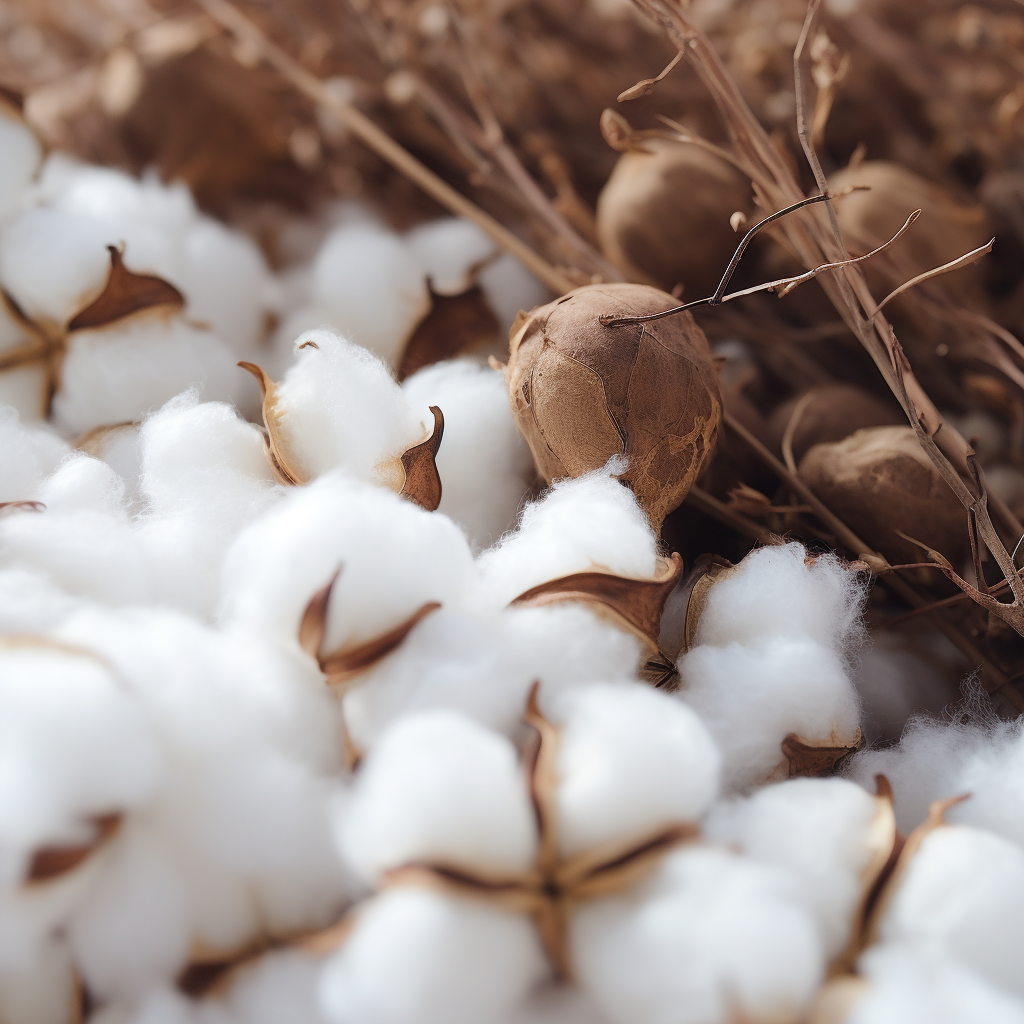
What is organic cotton? It is a naturally grown fiber, free from harmful chemicals and genetically modified organisms (GMOs). Organic cotton is cultivated using methods and practices that have a low impact on the environment. These methods prioritize soil health, water conservation, and biodiversity, making organic cotton a sustainable and eco-friendly choice.
To truly understand the significance of organic cotton, it is essential to grasp the importance of organic certification. Organic cotton must meet strict standards set by reputable organizations such as the Global Organic Textile Standard (GOTS) or the Organic Content Standard (OCS). These certifications ensure that the cotton is grown and processed without the use of synthetic pesticides, herbicides, or fertilizers. They also guarantee fair labor practices, prohibiting child labor and ensuring safe working conditions.
Sustainable farming practices play a vital role in the production of organic cotton. Instead of relying on synthetic chemicals, organic farmers implement natural methods to control pests and maintain soil fertility. They use techniques like crop rotation, intercropping, and the introduction of beneficial insects to create a balanced ecosystem. These methods not only protect the health of farmers and nearby communities but also safeguard the biodiversity of the surrounding environment.
Comparing organic cotton with conventional cotton reveals stark differences in their environmental impact. Conventional cotton farming is notorious for its heavy reliance on synthetic chemicals. In fact, conventional cotton accounts for approximately 16% of global insecticide use, despite occupying just 2.4% of the world’s arable land. This excessive use of chemicals contributes to soil degradation, water pollution, and harm to ecosystems.
Additionally, conventional cotton farming requires significant amounts of water. According to the World Wildlife Fund (WWF), it takes approximately 2,700 liters of water to produce a single conventional cotton t-shirt. In contrast, organic cotton farming utilizes water conservation techniques such as rainwater harvesting and efficient irrigation methods, minimizing water consumption.
The impact of organic cotton production extends beyond the environmental benefits. By choosing organic cotton, consumers support the livelihoods of farmers and their communities. Fair trade practices, which are often associated with organic farming, ensure that farmers receive fair wages and have access to resources that improve their living conditions. This promotes social well-being and empowers marginalized communities in developing countries.
In summary, organic cotton and its sustainable production methods provide a compelling alternative to conventional cotton. By choosing organic cotton products, consumers contribute to a healthier environment, protect biodiversity, and support ethical and fair labor practices. The journey towards a more sustainable and responsible textile industry starts with conscious choices, and organic cotton is a significant step in the right direction.
The Dangers of Conventional Cotton Swabs
Conventional cotton swabs, despite their widespread use, come with a range of dangers and negative impacts on both our health and the environment. Understanding these risks is crucial in making informed choices and transitioning to more sustainable alternatives like organic cotton swabs.
One of the primary concerns with conventional cotton swabs lies in the chemicals and pesticides used during the production of non-organic cotton. Conventional cotton is often treated with synthetic pesticides, herbicides, and insecticides to protect it from pests and diseases. These chemicals can leave residues on the cotton fibers, which can then come into direct contact with our skin.
Exposure to these chemicals can lead to various health risks. Pesticides and herbicides used in conventional cotton farming have been linked to skin irritations, allergies, and sensitivities. Prolonged or repeated exposure to these substances may even contribute to more severe health issues, including hormonal imbalances and developmental disorders.
Furthermore, the environmental implications of non-organic cotton swabs cannot be overlooked. The excessive use of synthetic pesticides and fertilizers in conventional cotton farming pollutes water sources, contaminates soil, and harms surrounding ecosystems. These chemicals can leach into nearby rivers, lakes, and groundwater, posing a threat to aquatic life and compromising the quality of our water resources.
Another significant concern associated with conventional cotton swabs is their contribution to plastic waste. Most conventional swabs have a plastic stick, which adds to the already mounting plastic pollution crisis. Plastic waste takes hundreds of years to decompose, and much of it ends up in oceans, causing harm to marine life and ecosystems.
By switching to organic cotton swabs, we can mitigate these risks and reduce our ecological footprint. Organic cotton swabs are produced without the use of synthetic chemicals, making them a safer option for our skin and overall well-being. Additionally, since organic cotton is grown through sustainable farming practices, it helps protect the environment by minimizing water pollution, soil degradation, and the use of harmful agrochemicals.
In conclusion, the dangers associated with conventional cotton swabs extend beyond their immediate use. The chemicals and pesticides used in their production pose risks to our health, while the environmental impact of non-organic cotton farming contributes to pollution and plastic waste. By opting for organic cotton swabs, we can prioritize our well-being and actively contribute to a cleaner and safer planet.
Exploring the Benefits of Organic Cotton Swabs
Organic cotton swabs offer a multitude of benefits, making them a superior choice over conventional swabs. From their gentle and safe nature for sensitive skin to their positive impact on the environment, there are numerous reasons to make the switch to organic cotton swabs.
One of the primary advantages of organic cotton swabs is their gentle and safe nature, particularly for individuals with sensitive skin. Conventional swabs often contain synthetic fibers that can be harsh and abrasive, leading to skin irritation and discomfort. In contrast, organic cotton swabs are made from natural, chemical-free fibers, ensuring a soft and gentle touch on delicate areas like the face, ears, and nose.
Biodegradability and compostability are crucial factors to consider when evaluating the environmental impact of a product. Organic cotton swabs excel in both areas. The organic cotton used in these swabs is biodegradable, meaning it can break down naturally without leaving behind harmful residues or contributing to landfill waste. Additionally, organic cotton swabs are often packaged in eco-friendly materials such as recycled paper or cardboard, further reducing their environmental footprint.
The reduction of plastic waste is another significant benefit of organic cotton swabs. Conventional swabs typically have a plastic stick, which adds to the growing plastic pollution crisis. Plastic waste takes an incredibly long time to decompose, contributing to the pollution of our oceans and harming marine life. By choosing organic cotton swabs with biodegradable sticks made from sustainable materials like bamboo or paper, we can actively combat plastic waste and contribute to a healthier planet.
When using organic cotton swabs, we also support fair trade and ethical labor practices. Many organic cotton suppliers and brands prioritize partnerships with farmers and communities that follow fair trade principles. Fair trade ensures that farmers receive fair wages and have access to resources that improve their livelihoods. By choosing organic cotton swabs, we can contribute to the well-being of farming communities and promote social equity.
Furthermore, organic cotton swabs play a vital role in supporting sustainable agriculture and biodiversity. Organic cotton farming methods prioritize soil health, water conservation, and preservation of natural ecosystems. By avoiding the use of synthetic fertilizers and pesticides, organic cotton cultivation helps maintain biodiversity, protect pollinators, and preserve the health of surrounding ecosystems. This commitment to sustainable agriculture ensures a healthier planet for future generations.
In summary, the benefits of organic cotton swabs are numerous and significant. From their gentle and safe nature for sensitive skin to their biodegradability and reduction of plastic waste, organic cotton swabs offer a sustainable alternative to conventional swabs. Additionally, by choosing organic cotton swabs, we actively support fair trade practices and contribute to the preservation of biodiversity. Making the switch to organic cotton swabs is not only beneficial for ourselves but also for the well-being of our planet.
How to Choose and Use Organic Cotton Swabs
Choosing and using organic cotton swabs require some considerations to ensure you make the most sustainable and effective choice. In this section, we will provide you with practical guidance on finding reputable brands and suppliers, understanding organic certifications and standards, the different types and sizes of organic cotton swabs available, as well as tips for proper usage and disposal.
When it comes to choosing organic cotton swabs, it is essential to find reputable brands and suppliers that prioritize sustainability and ethical practices. Look for brands that are transparent about their sourcing and production methods. Consider their commitment to organic farming, fair trade, and eco-friendly packaging. Research online reviews and customer feedback to gauge the quality and reliability of the brand.
Understanding organic certifications and standards is crucial in ensuring the authenticity of organic cotton swabs. Look for certifications such as the Global Organic Textile Standard (GOTS) or the Organic Content Standard (OCS). These certifications guarantee that the cotton used in the swabs has been grown and processed according to strict organic standards, free from harmful chemicals and genetically modified organisms. Familiarize yourself with the logos and labels associated with these certifications to make informed purchasing decisions.
Organic cotton swabs come in various types and sizes to cater to different needs and preferences. Standard swabs with a double-ended design are commonly used for ear cleaning, makeup application, and touch-ups. However, there are also specialty swabs available, such as precision-tipped swabs for detailed makeup application or larger swabs for general hygiene and skin care. Consider your specific needs and choose the type and size that best suits your requirements.
Proper usage and disposal of organic cotton swabs are essential to maximize their benefits and minimize environmental impact. When using swabs for ear cleaning, remember to be gentle and avoid inserting them too far into the ear canal. This helps prevent potential injuries and damage to the delicate structures of the ear. After use, make sure to dispose of the swabs responsibly. Organic cotton swabs can be disposed of in organic waste or compost bins, allowing them to break down naturally without harming the environment.
Incorporating organic cotton swabs into your daily routine is a small but impactful step towards a more sustainable lifestyle. Consider using them for various tasks such as makeup application, skincare, nail care, and household cleaning. By replacing traditional single-use items with organic cotton swabs, you reduce the demand for conventional, non-biodegradable alternatives and contribute to a cleaner and greener future.
In conclusion, choosing and using organic cotton swabs requires mindful consideration. Look for reputable brands and certifications, understand the different types and sizes available, and practice proper usage and disposal methods. By making conscious choices and incorporating organic cotton swabs into your daily routine, you contribute to a more sustainable and eco-friendly lifestyle.
Support for fair trade and ethical labor practices
One of the notable benefits of choosing organic cotton swabs is the support it provides for fair trade and ethical labor practices. By opting for organic cotton swabs, you can contribute to a supply chain that prioritizes the well-being of farmers and workers involved in the production process.
Fair trade practices ensure that farmers receive fair compensation for their hard work and dedication. Organic cotton suppliers and brands that adhere to fair trade principles commit to paying farmers a fair price for their cotton. This fair pricing helps uplift farming communities, enabling them to improve their living conditions, access education and healthcare, and invest in sustainable development projects.
In addition to fair pricing, fair trade practices also encompass ethical labor standards. Organic cotton swabs produced under fair trade principles ensure the protection of workers’ rights, prohibiting child labor, forced labor, and unsafe working conditions. By choosing organic cotton swabs, you actively support the fight against exploitative labor practices and contribute to a more equitable and just supply chain.
When purchasing organic cotton swabs, look for certifications and labels that indicate fair trade practices. Organizations such as Fairtrade International and Fairtrade America certify products that meet stringent social, economic, and environmental criteria. These certifications act as a guarantee that the cotton used in the swabs has been sourced ethically and in accordance with fair trade principles.
By supporting fair trade and ethical labor practices through your choice of organic cotton swabs, you become part of a movement that empowers farmers and workers, promotes social justice, and helps create a more sustainable and inclusive global textile industry. Your conscious decision to opt for these products contributes to a positive impact that resonates beyond your own personal use.
In summary, choosing organic cotton swabs not only benefits your personal well-being and the environment but also supports fair trade and ethical labor practices. By opting for swabs produced under fair trade principles, you contribute to the betterment of farming communities and workers involved in the supply chain. Your choice becomes a statement of solidarity with those striving for social justice and sustainability.
How to Choose and Use Organic Cotton Swabs
Finding reputable brands and suppliers is key when it comes to choosing organic cotton swabs. Look for brands that prioritize sustainability, transparency, and ethical practices. Consider their commitment to organic farming, fair trade, and eco-friendly packaging. Research online reviews and customer feedback to gauge the quality and reliability of the brand.
Understanding organic certifications and standards is crucial in ensuring the authenticity of organic cotton swabs. Look for certifications such as the Global Organic Textile Standard (GOTS) or the Organic Content Standard (OCS). These certifications guarantee that the cotton used in the swabs has been grown and processed according to strict organic standards, free from harmful chemicals and genetically modified organisms. Familiarize yourself with the logos and labels associated with these certifications to make informed purchasing decisions.
Organic cotton swabs come in various types and sizes to cater to different needs and preferences. Standard swabs with a double-ended design are commonly used for ear cleaning, makeup application, and touch-ups. However, there are also specialty swabs available, such as precision-tipped swabs for detailed makeup application or larger swabs for general hygiene and skin care. Consider your specific needs and choose the type and size that best suits your requirements.
Proper usage and disposal of organic cotton swabs are essential to maximize their benefits and minimize environmental impact. When using swabs for ear cleaning, remember to be gentle and avoid inserting them too far into the ear canal. This helps prevent potential injuries and damage to the delicate structures of the ear. After use, make sure to dispose of the swabs responsibly. Organic cotton swabs can be disposed of in organic waste or compost bins, allowing them to break down naturally without harming the environment.
Incorporating organic cotton swabs into your daily routine is a small but impactful step towards a more sustainable lifestyle. Consider using them for various tasks such as makeup application, skincare, nail care, and household cleaning. By replacing traditional single-use items with organic cotton swabs, you reduce the demand for conventional, non-biodegradable alternatives and contribute to a cleaner and greener future.
In conclusion, choosing and using organic cotton swabs requires mindful consideration. Look for reputable brands and certifications, understand the different types and sizes available, and practice proper usage and disposal methods. By making conscious choices and incorporating organic cotton swabs into your daily routine, you contribute to a more sustainable and eco-friendly lifestyle.
Conclusion
Organic cotton swabs provide a sustainable and eco-friendly alternative to conventional cotton swabs. By opting for organic cotton swabs, you are not only making a choice that benefits your personal well-being but also contributing to the preservation of the environment and the support of fair trade practices.
The benefits of organic cotton swabs are diverse and far-reaching. They are gentle and safe for sensitive skin, ensuring a comfortable and effective experience. Organic cotton swabs are biodegradable and compostable, reducing waste and minimizing their impact on landfill sites. By choosing organic cotton swabs, you actively contribute to the reduction of plastic waste, as they often come with biodegradable sticks made from sustainable materials.
Supporting fair trade and ethical labor practices is another significant advantage of choosing organic cotton swabs. By opting for brands that prioritize fair trade principles, you help uplift farming communities and promote social equity. Fair trade practices ensure that farmers receive fair compensation for their hard work and are protected from exploitative labor practices.
Incorporating organic cotton swabs into your daily routine is a small change that can have a big impact. Consider using them for various tasks, from makeup application to skincare and household cleaning. By making this conscious choice, you reduce your ecological footprint and contribute to a more sustainable lifestyle.
It is important to remember that the journey towards sustainability does not end with organic cotton swabs. It is a continuous effort that requires ongoing education, awareness, and conscious decision-making. By extending these principles to other areas of your life, such as clothing, personal care products, and household items, you can further reduce your environmental impact and promote a greener future.
In conclusion, organic cotton swabs offer numerous benefits for both individuals and the planet. By choosing organic cotton swabs, you prioritize your well-being, support fair trade practices, reduce plastic waste, and contribute to a more sustainable and ethical world. Embrace this eco-friendly choice and join the movement towards a greener future.